How to Create a Guest Sleeping Area in a Studio Apartment
Living in a studio means every square foot counts, yet welcoming a friend for an overnight stay shouldn’t feel like a compromise. The challenge is to carve out a comfortable sleeping nook without turning the whole apartment into a cramped mess. Below you’ll find seven ideas that blend style, flexibility, and practicality, allowing you to host guests while preserving the open‑plan feel you love.
1. Choose a Multi‑Purpose Bed Piece
This image is by AI for inspiration only.
© 2026 AI Illustrator — Inspiration Only
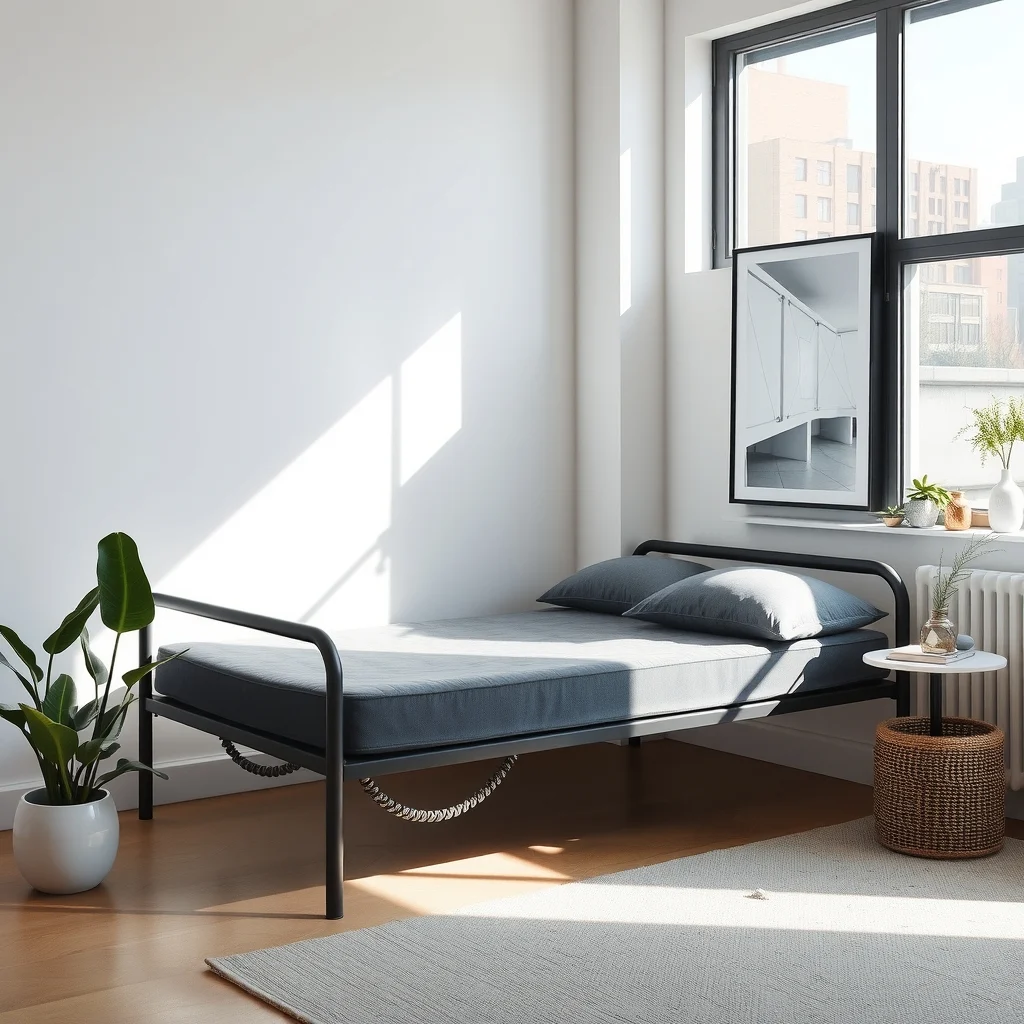
Instead of a permanent full‑size mattress, start with a piece that can shift between seating and sleeping. A daybed with a sleek metal frame and a low‑profile mattress works well because its backrest offers daytime lounge space while the same surface becomes a bed at night. Opt for a neutral upholstery such as soft linen in warm greige; this keeps the room feeling cohesive and hides minor wear. When the daybed is not in use, a pair of slim side tables can flank it, providing surface area for a lamp or a coffee cup without crowding the floor.
The trade‑off is that a daybed typically accommodates a single guest comfortably. If you expect two people, consider a larger convertible sofa that folds out into a queen‑size bed, but be prepared for a slightly larger footprint that may limit free walking space.
2. Install a Folding Room Divider
This image is by AI for inspiration only.
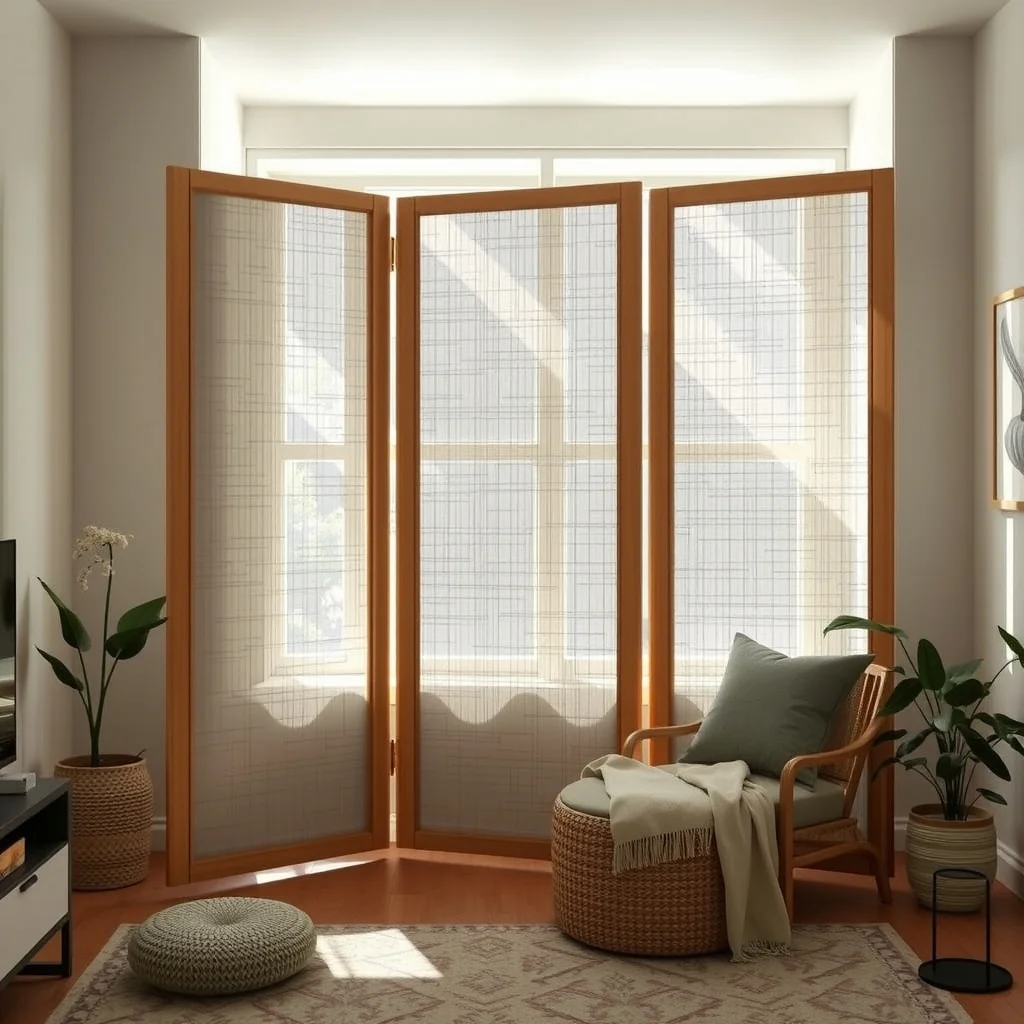
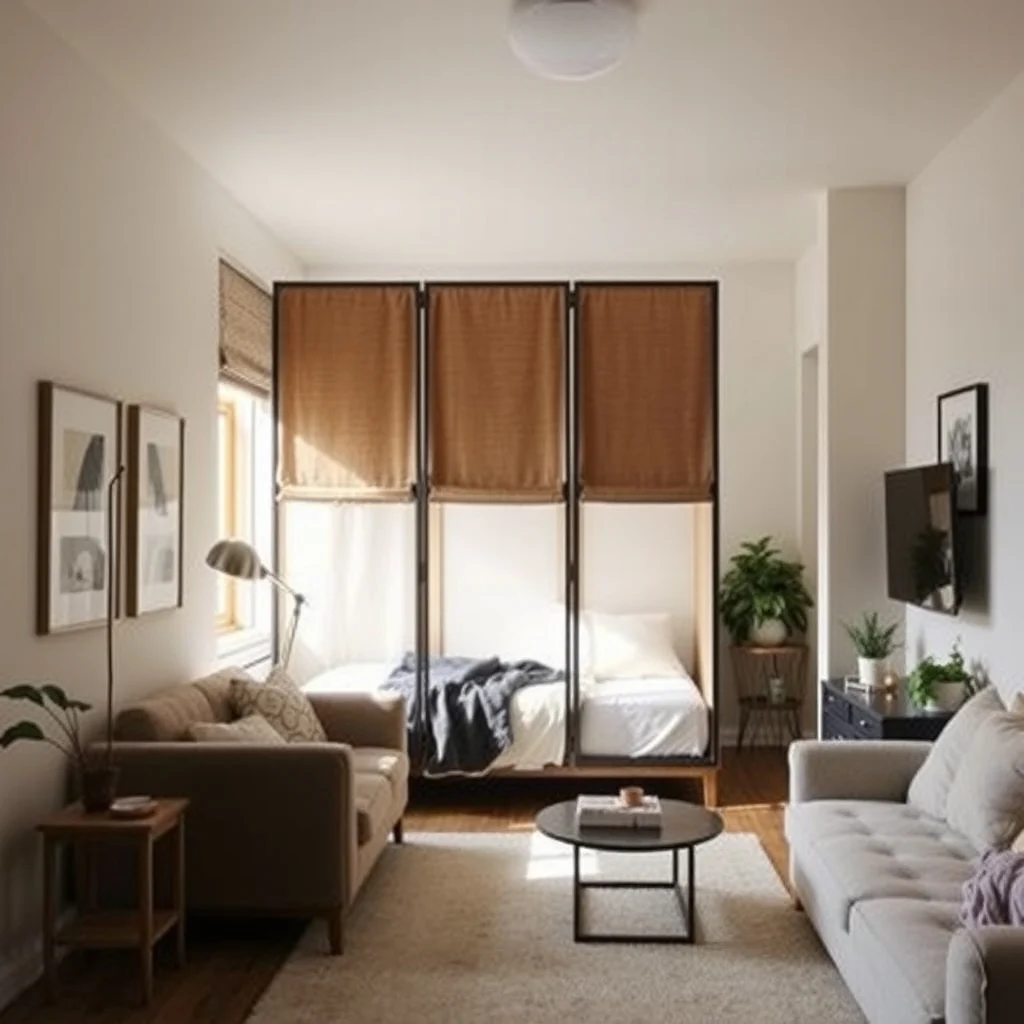
A folding screen or a set of sliding panels creates visual separation without permanent walls. Choose a divider with a light wood frame and a woven fabric panel in muted sage; the texture adds interest while the color blends with most palettes. When the screen is closed, it signals a private sleeping zone, and when opened, the studio regains its airy continuity. Because the divider is lightweight, you can reposition it whenever the layout changes, making it ideal for studios that serve multiple functions throughout the day.
Be aware that a solid divider can block natural light, so a screen with a semi‑transparent weave is preferable if you rely on daylight to keep the space bright.
3. Layer Lighting for Comfort and Flexibility
This image is by AI for inspiration only.
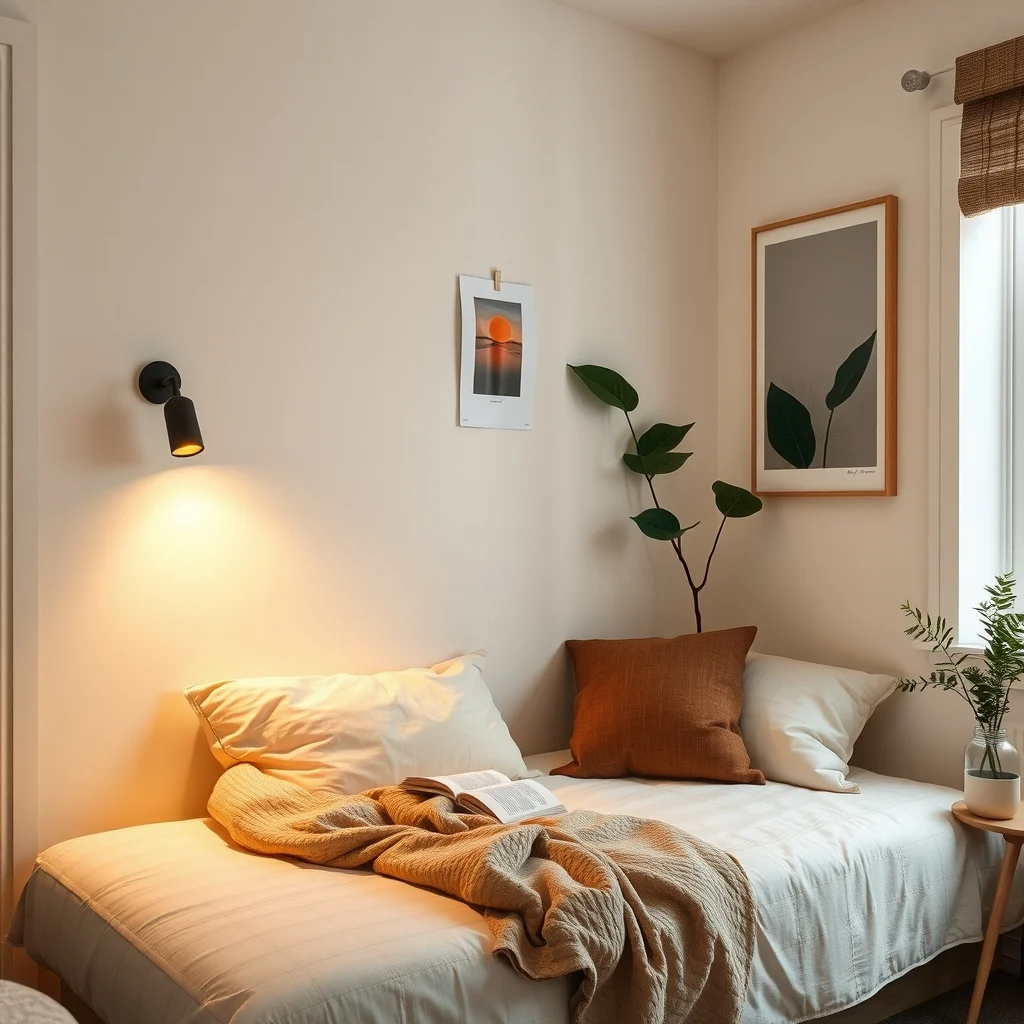
Good lighting distinguishes a living area from a sleeping nook. Install a low‑profile wall sconce on the side of the chosen bed piece, using a warm‑white LED bulb that offers a gentle glow for reading before bed. Complement this with a floor lamp that has an adjustable head; it can be directed toward the bedside for night‑time reading or pulled back to illuminate the main living area. Choosing fixtures in brushed brass or matte black adds a subtle design touch without overwhelming the room.
The downside is that additional fixtures require extra outlets. If you’re limited on power sources, consider a lamp with a built‑in rechargeable battery, which can be charged overnight and used without a plug.
4. Add Smart Storage That Doubles as Seating
This image is by AI for inspiration only.
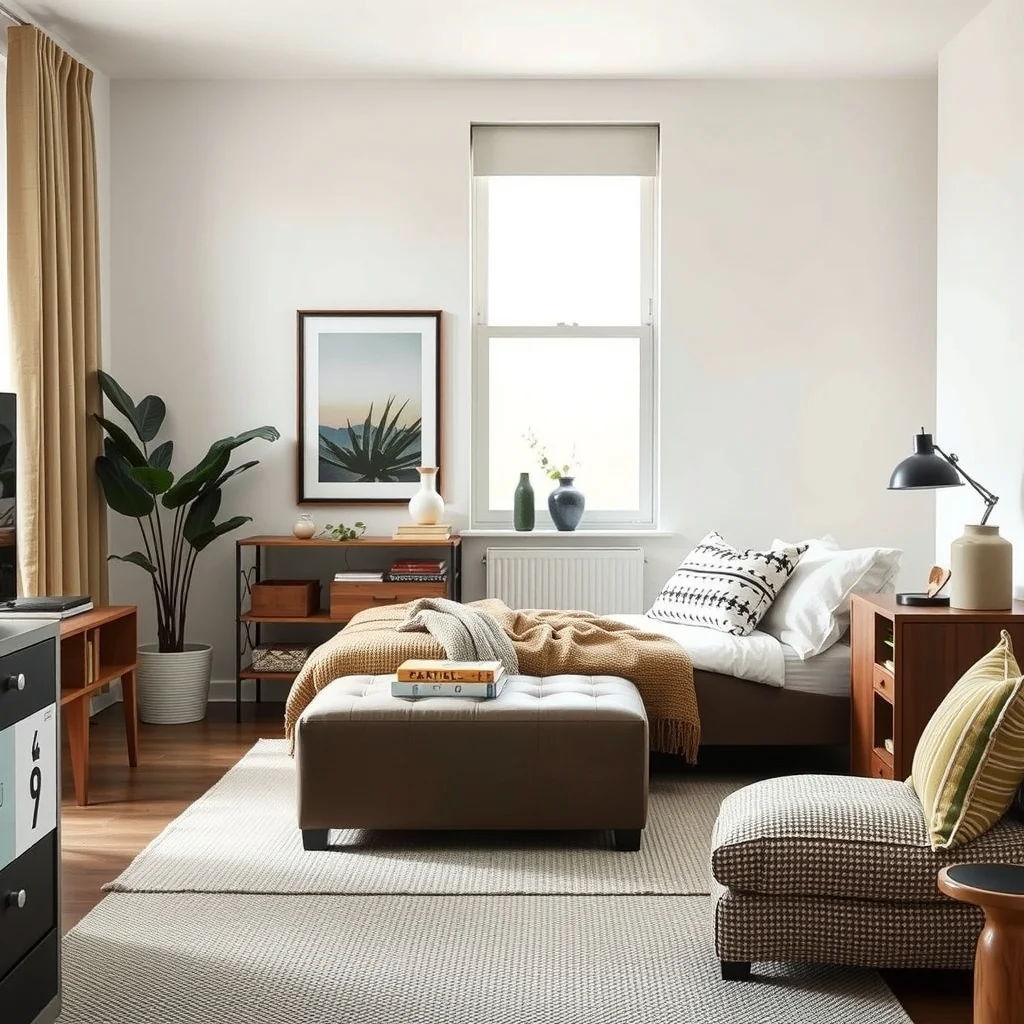
Every piece of furniture in a studio should earn two points. A storage ottoman placed at the foot of the bed offers a place to sit while also holding extra blankets, pillows, or a guest’s luggage. Look for an ottoman upholstered in a durable microfiber in soft terracotta; the hue adds warmth without clashing with the rest of the décor. The lid lifts easily, revealing a spacious interior that keeps clutter out of sight, preserving the clean lines essential to small‑space living.
Remember that an ottoman can be heavy when filled, so choose a size that you can comfortably move if you need to rearrange the layout for other activities.
5. Use a Compact Rug to Define the Zone
This image is by AI for inspiration only.
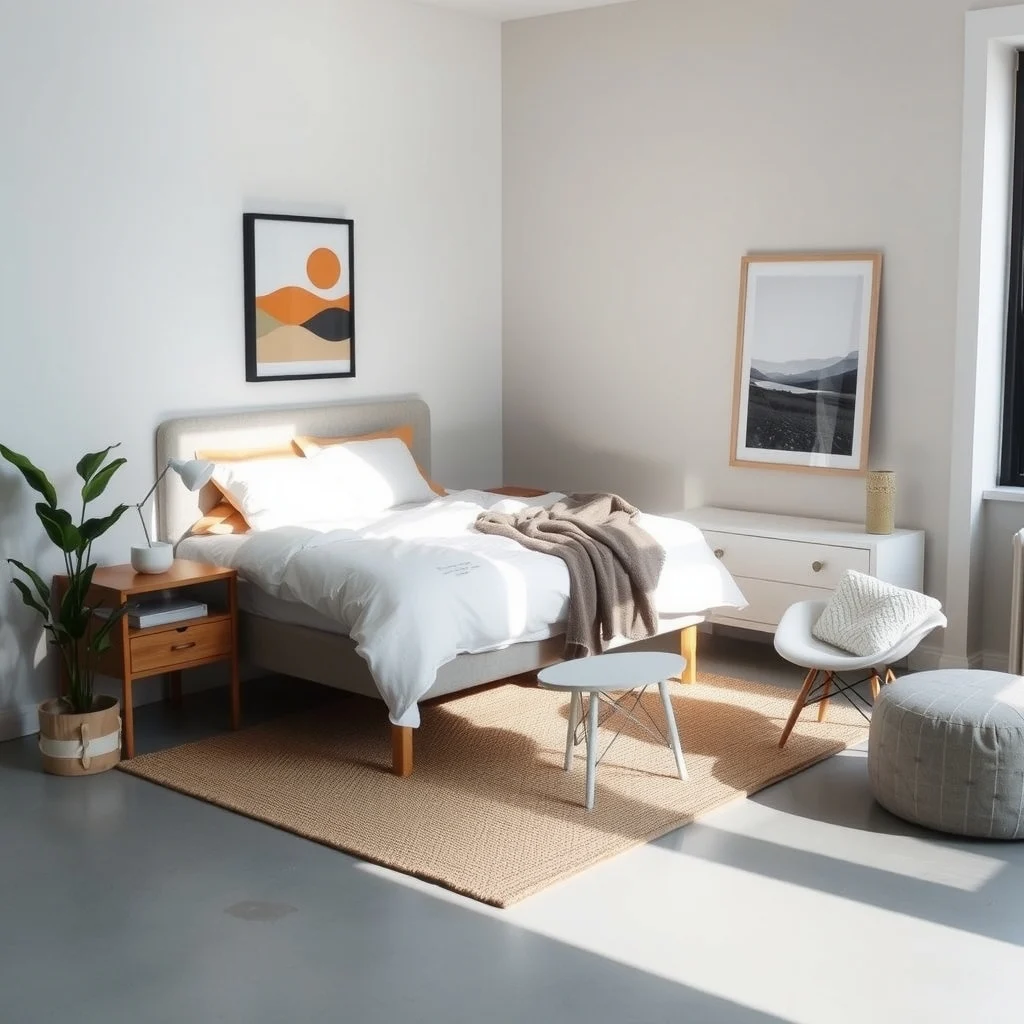
A rug anchored under the bed piece signals a distinct area without the need for walls. A low‑pile natural fiber rug in a muted taupe creates a tactile boundary while feeling soft under bare feet. Because the rug is low‑profile, it won’t interfere with the sliding motion of a folding screen or the opening of a convertible sofa. The visual cue of a rug also helps keep the space feeling organized, as it gathers stray socks or shoes that might otherwise drift across the floor.
If you have hardwood floors, a rug with a non‑slip backing protects the surface from scratches, but be mindful that a very thick rug can make the room feel lower, which might not be ideal in a studio with low ceilings.
6. Incorporate a Portable Nightstand
This image is by AI for inspiration only.
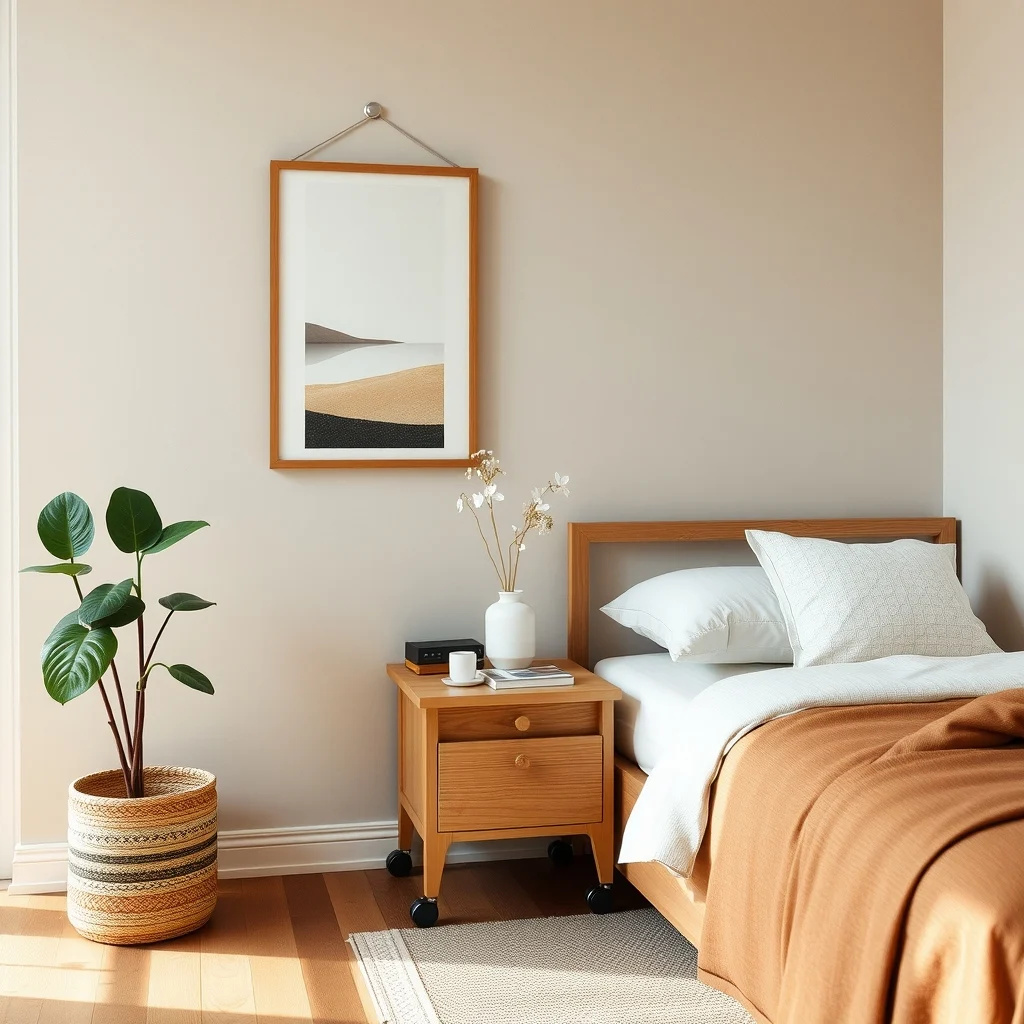
Even a temporary guest will appreciate a surface for a phone, a glass of water, or a book. A small, wheeled nightstand in oak with a simple drawer provides that functionality without being a permanent fixture. Its wheels let you slide it next to the daybed at night and tuck it away in a closet or under the sofa during the day. Selecting a finish that matches other wood tones in the studio creates cohesion, while the drawer helps keep nighttime essentials organized.
The main limitation is that the nightstand must be lightweight enough to move regularly; heavy metal frames can become a nuisance in a tight space.
7. Choose a Soft, Breathable Bedding Set
This image is by AI for inspiration only.
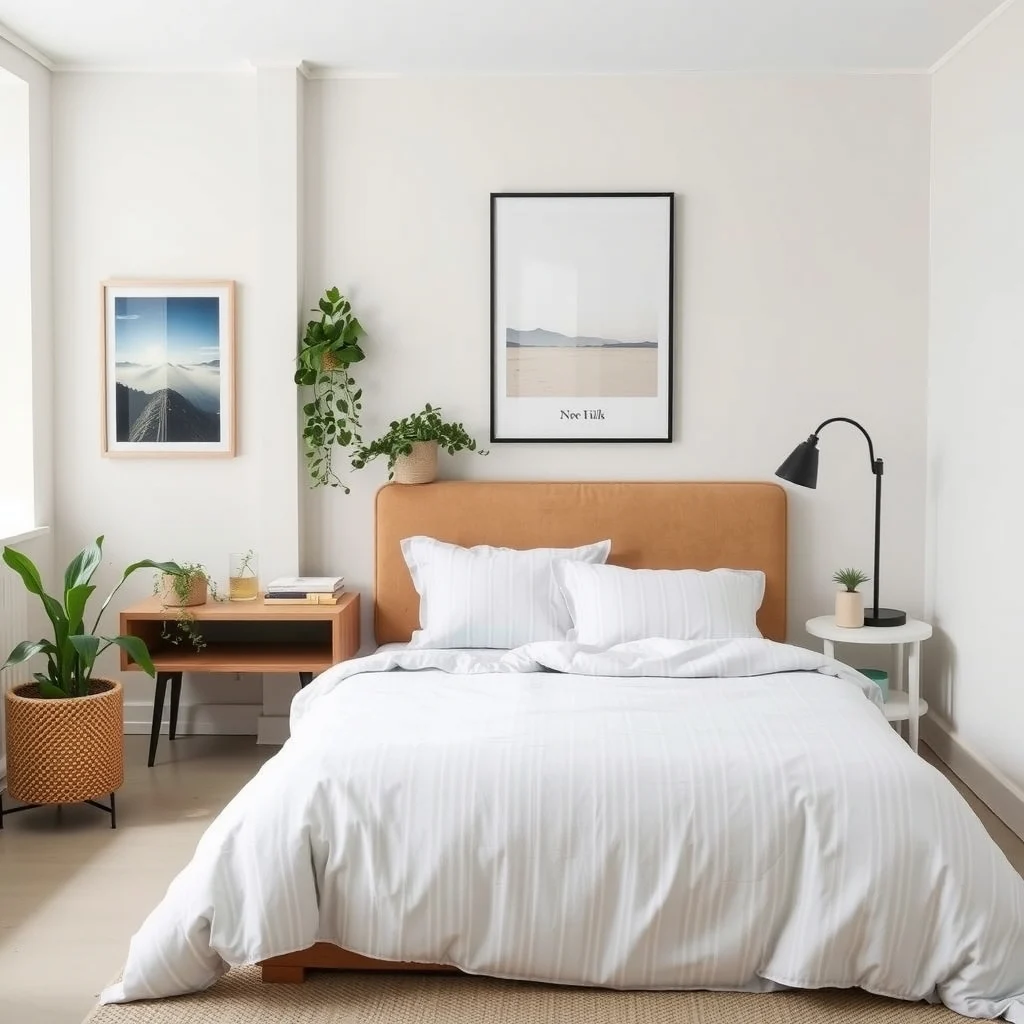
The final touch that makes a guest feel at home is the bedding. Opt for a duvet cover in a breathable cotton blend with a subtle pattern, such as thin vertical stripes in soft blue. Pair it with a fitted sheet and a couple of plush pillow shams in a complementary shade. Because cotton regulates temperature, it works well in studios that may fluctuate between warm daytime and cooler evenings. Adding a lightweight throw in a natural fiber like linen provides extra warmth without bulk.
Keep in mind that decorative bedding should be easy to launder. Avoid overly intricate designs that require special care, as you’ll want to refresh the set between visits.
FAQ
This image is by AI for inspiration only.
How can I keep the guest area private without blocking natural light?
Use a semi‑transparent folding screen that offers visual separation while still allowing daylight to filter through. Materials like woven linen or frosted acrylic maintain privacy without darkening the room.
What’s the best way to store extra bedding in a small studio?
A storage ottoman or a low‑profile chest that fits under the bed piece provides hidden space for blankets and pillows. Choose a unit with a sturdy lid and breathable fabric to prevent moisture buildup.
Can a convertible sofa be comfortable for a full night’s sleep?
Modern convertible sofas with a dedicated mattress layer can be comfortable for most guests, especially if the mattress is at least 5‑inch thick. Test the mechanism before purchase to ensure smooth operation.
Is it necessary to have a separate nightstand for a guest?
A portable nightstand on wheels offers flexibility and can be stored away when not needed. It gives the guest a convenient surface without committing to a permanent piece of furniture.
How do I choose lighting that works for both day and night?
Layer a wall sconce with a floor lamp that has an adjustable head. The sconce provides soft ambient light for evenings, while the lamp can be directed for reading or turned off to keep the sleeping area dark.
Final Thoughts
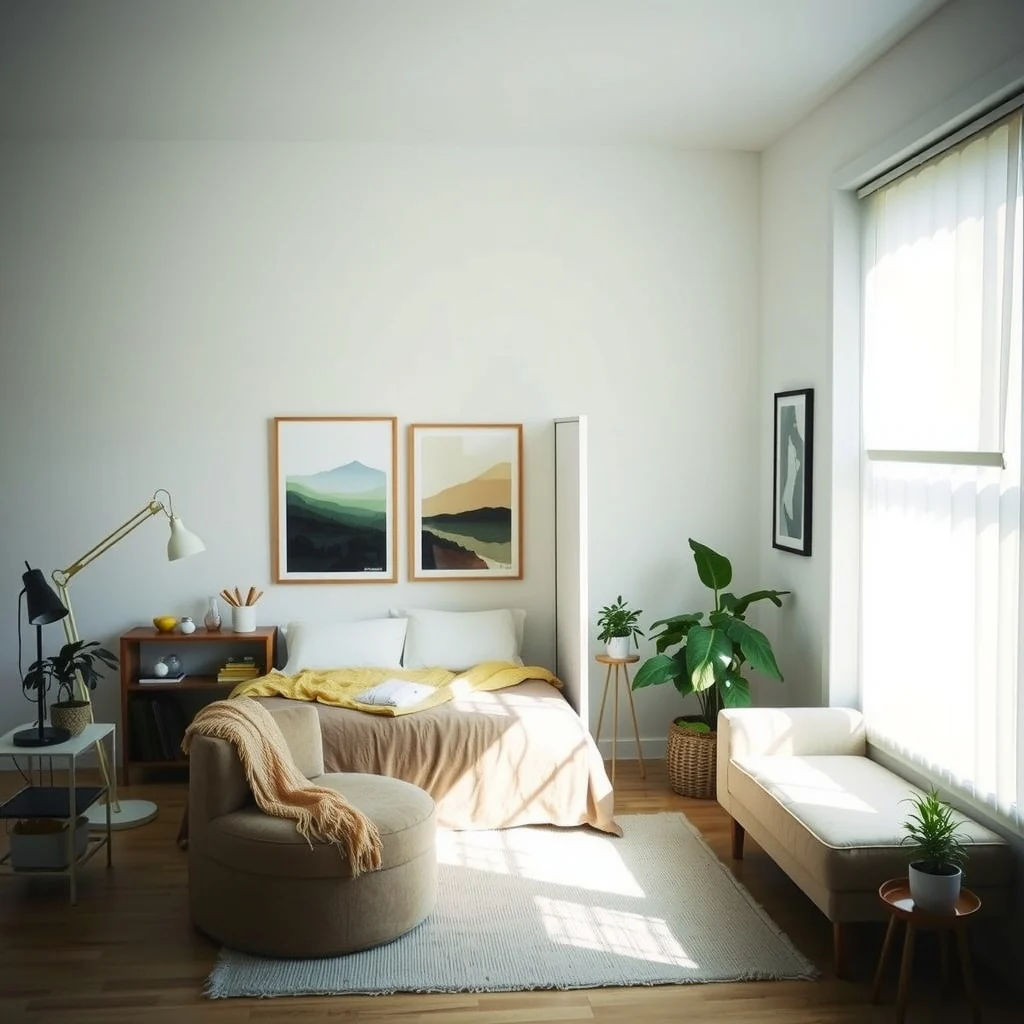
This image is by AI for inspiration only.
Creating a guest sleeping area in a studio is less about adding new furniture and more about rethinking how each piece can serve multiple roles. By selecting adaptable beds, flexible dividers, thoughtful lighting, and smart storage, you can welcome visitors without sacrificing the openness that makes studio living appealing. Remember to balance comfort with practicality, and the space will feel ready for guests any time the opportunity arises.