How to Organize Keys, Mail, and Sunglasses in a Small Home

Living in a compact space means every square inch matters, and the entryway often becomes a catch‑all for the essentials you need the most. Keys that disappear in a couch cushion, piles of unsorted mail, and a lone pair of sunglasses perched on a nightstand are all symptoms of a cluttered routine. The good news is that a few thoughtfully designed stations can turn chaos into calm without sacrificing style. Below are seven ideas that blend practical storage with the aesthetic of a small home, so you can keep the items you reach for most often right where you need them.
1. Create a Dedicated Drop Zone at the Entryway
This image is by AI for inspiration only.
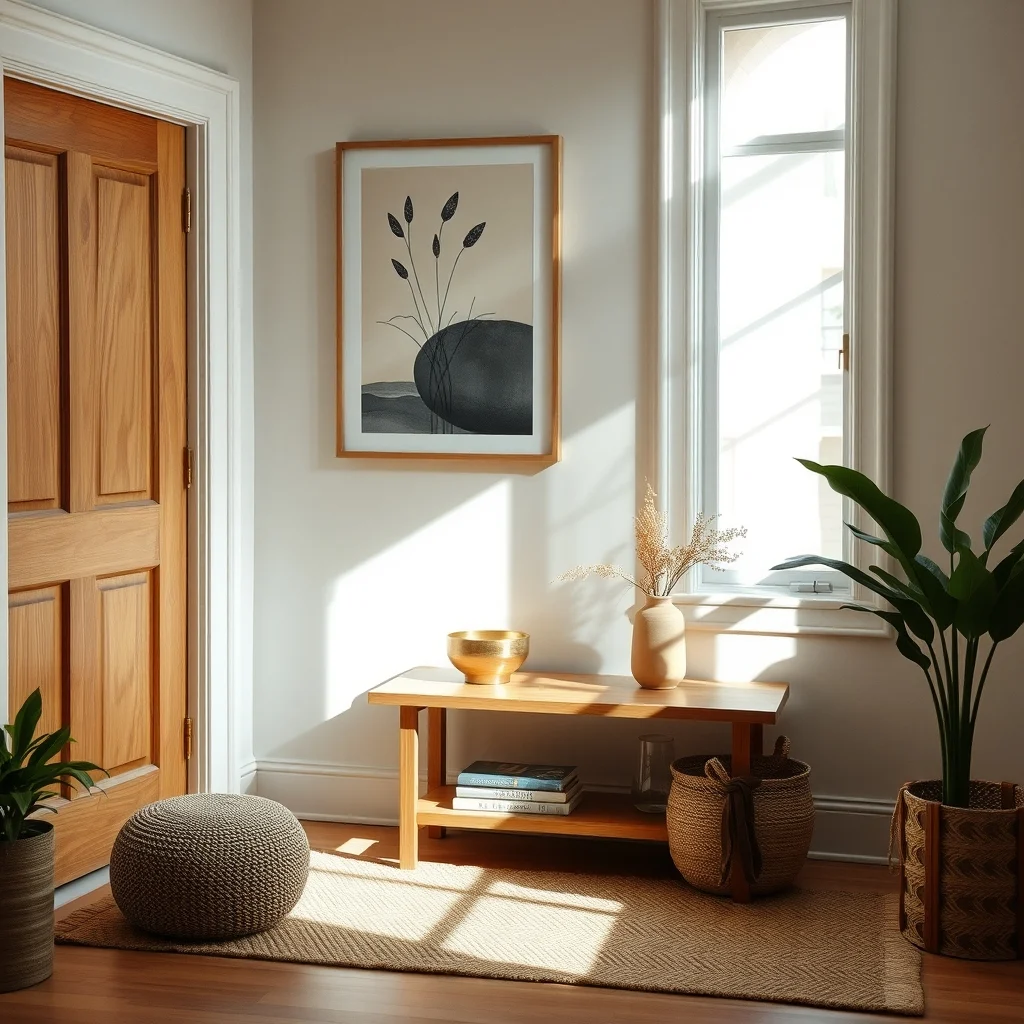
Designating a small, attractive area right by the front door gives you a natural place to unload the day’s most used items. A low wooden console in a warm oak finish provides a sturdy surface, while a slim metal tray in brushed brass adds a hint of shine without overwhelming the space. The tray’s shallow depth catches keys, loose change, and a single pair of sunglasses, keeping them visible but out of the way of shoes. Above the tray, a single row of sleek wall hooks—perhaps in matte black to contrast the wood—offers a spot for bags and coats. Because the console sits against the wall, it does not intrude on the flow of foot traffic, and the combination of natural wood and metal ties nicely to many small‑home palettes. The takeaway is simple: a defined drop zone turns the entryway into a functional welcome mat.
2. Use a Wall‑Mounted Mail Sorter with Integrated Labeling
This image is by AI for inspiration only.
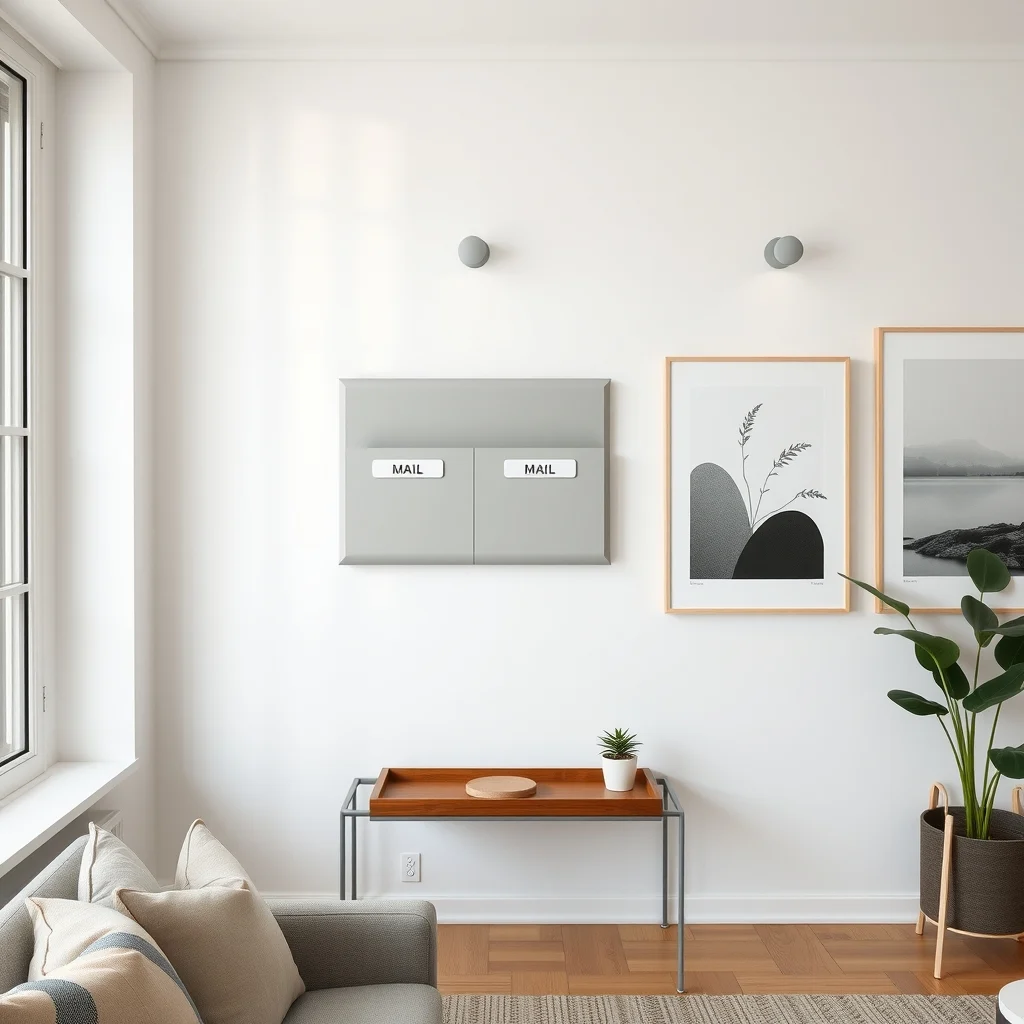
Mail tends to multiply quickly, especially in apartments where space for a filing cabinet is limited. A narrow wall‑mounted sorter, crafted from powder‑coated steel in a soft gray, can hold three to four columns for incoming, to‑pay, and to‑file items. Adding a small chalkboard label above each column lets you change categories as needed, and the matte finish reduces glare from natural light that streams through a nearby window. Mount the unit at eye level so you can quickly glance and sort without bending. For homes with a pastel color scheme, a white or pale blue sorter blends in, while a darker hue makes a statement in a monochrome setting. By keeping mail upright and labeled, you prevent piles from spilling onto a hallway rug, and the metal’s durability ensures the organizer lasts for years.
3. Incorporate a Built‑In Shelf Behind the Front Door
This image is by AI for inspiration only.
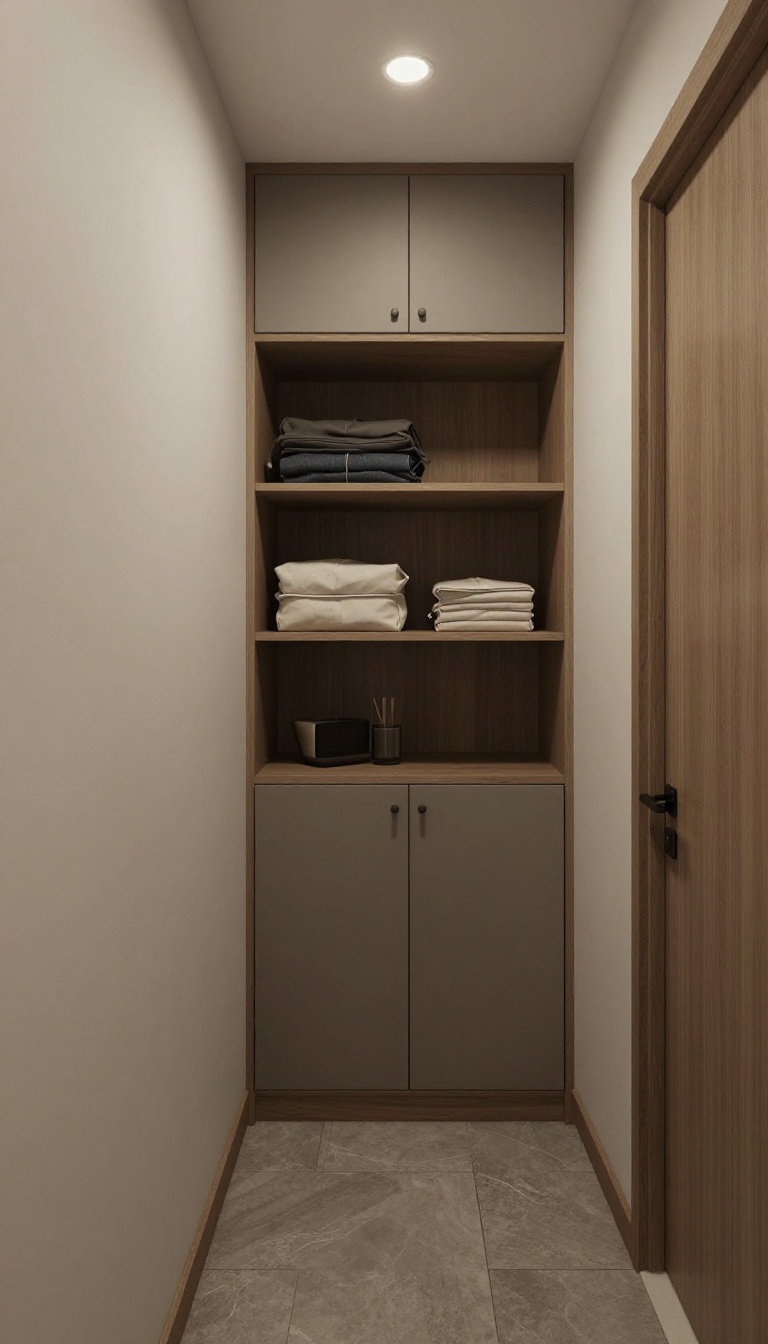
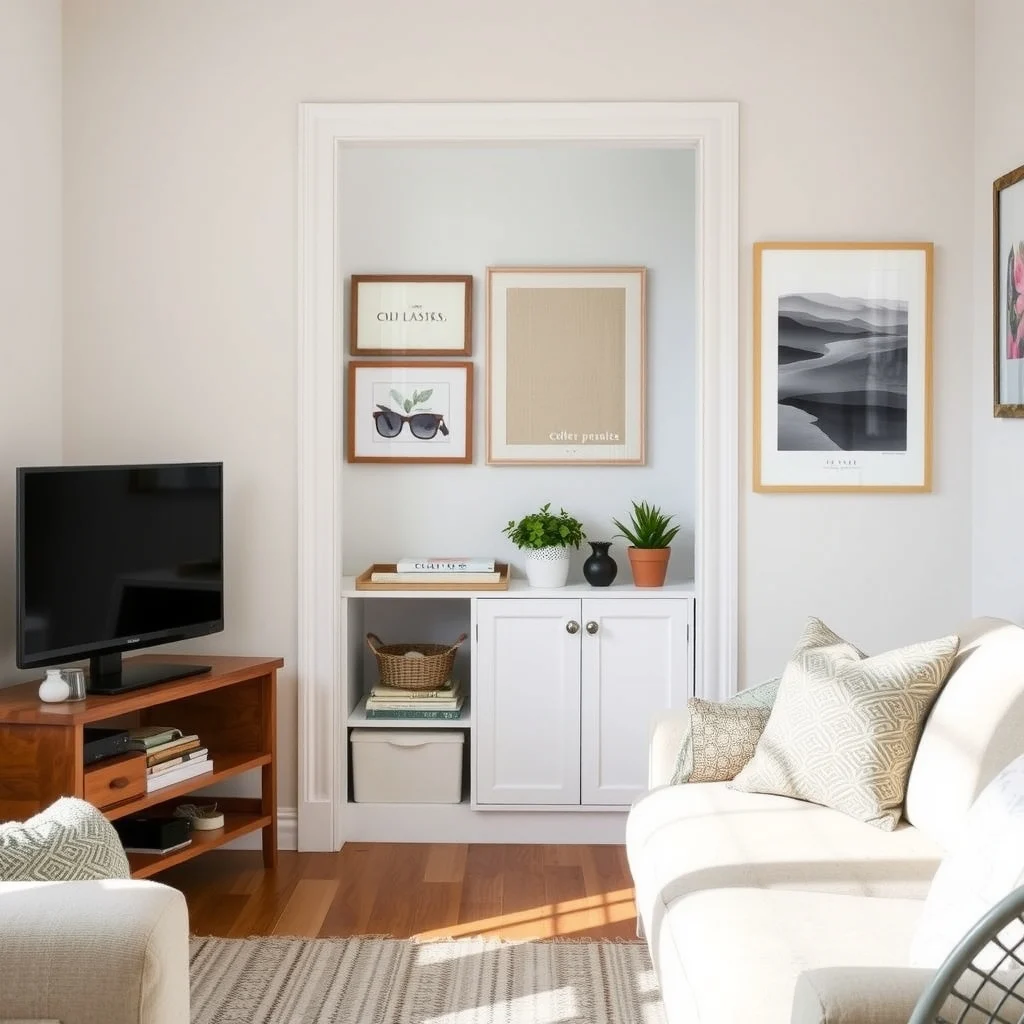
When wall space is at a premium, the area directly behind the front door often goes unused. Installing a shallow built‑in shelf—about four inches deep—creates hidden storage that remains out of sight when the door is closed. A shelf finished in a muted sage green can echo the tones of a living‑room sofa, while a clear acrylic edge adds a modern touch without adding visual weight. Place a small ceramic dish on the shelf for loose change and a pair of sunglasses, and use a decorative bowl for keys. Because the shelf is recessed, it does not interfere with the door swing, and the color integration helps the unit feel like part of the architecture rather than an afterthought. This approach makes use of a dead zone, turning it into a quiet staging area for daily essentials.
4. Choose a Multi‑Purpose Bench with Hidden Compartments
This image is by AI for inspiration only.
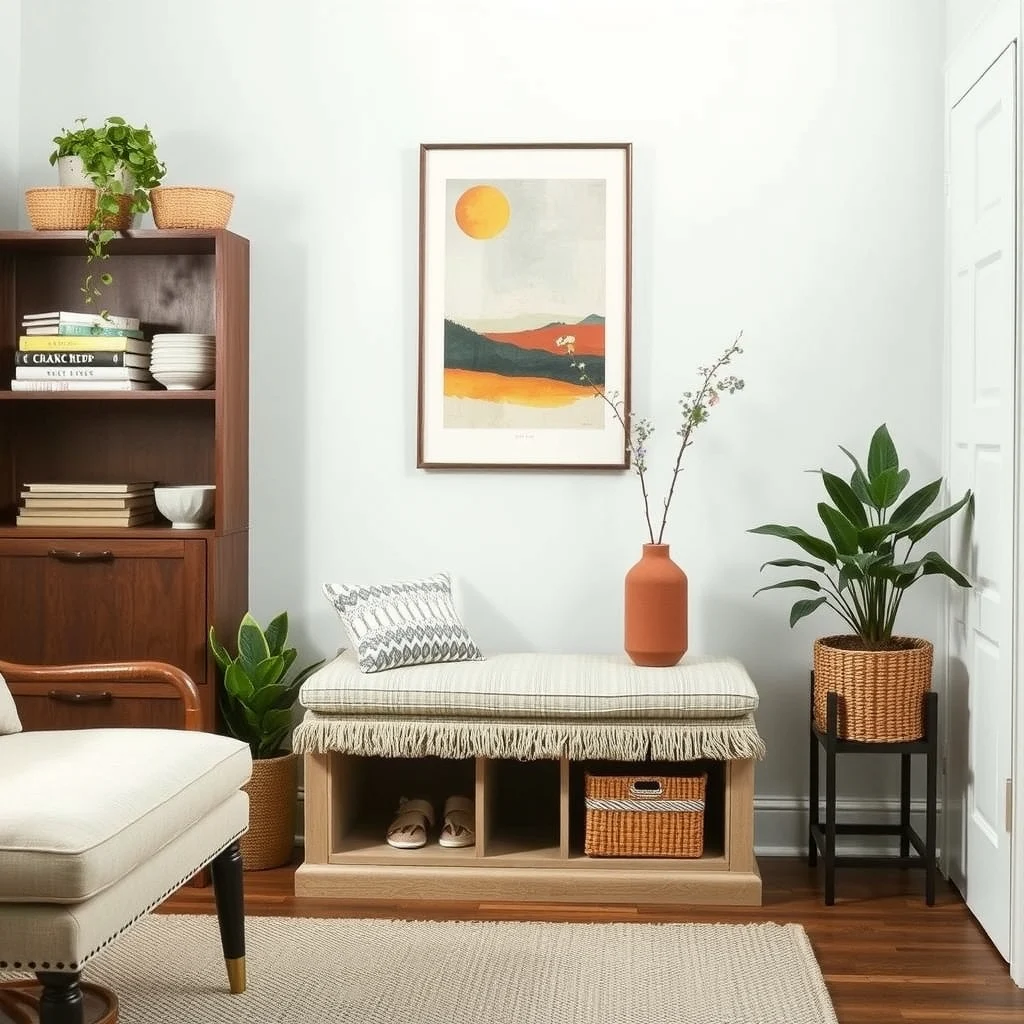
A narrow bench placed against a hallway wall can serve as both seating and storage. Look for a piece upholstered in a durable linen fabric in a neutral tone such as warm greige; the fabric hides dust while adding comfort for quick shoe changes. Inside the bench, a zippered compartment holds a small pouch for spare keys, while an open cubby on one side accommodates a stack of mail that needs attention. The bench’s legs can be finished in brushed brass, echoing the metal tray from the drop zone and creating visual continuity. When you sit to slip on shoes, you naturally reach for the items stored within arm’s reach, reducing the temptation to toss things onto a nearby table. The hidden compartments keep clutter out of sight while still providing easy access.
5. Install a Slim Console with a Pull‑Out Drawer for Sunglasses
This image is by AI for inspiration only.
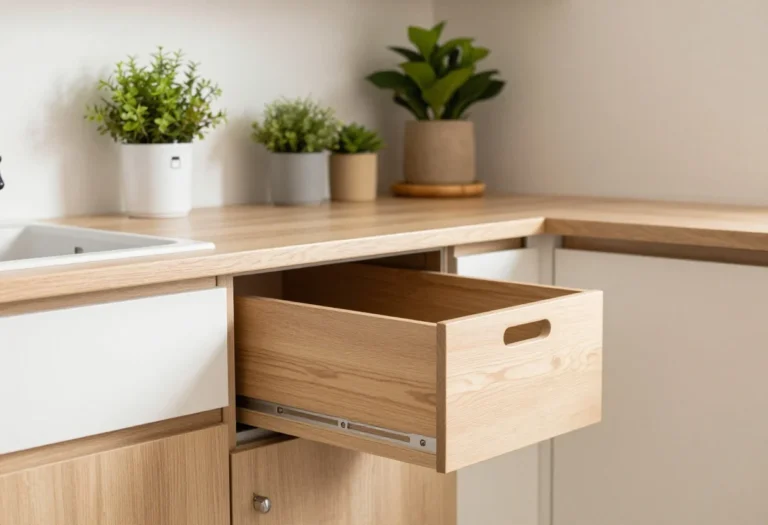
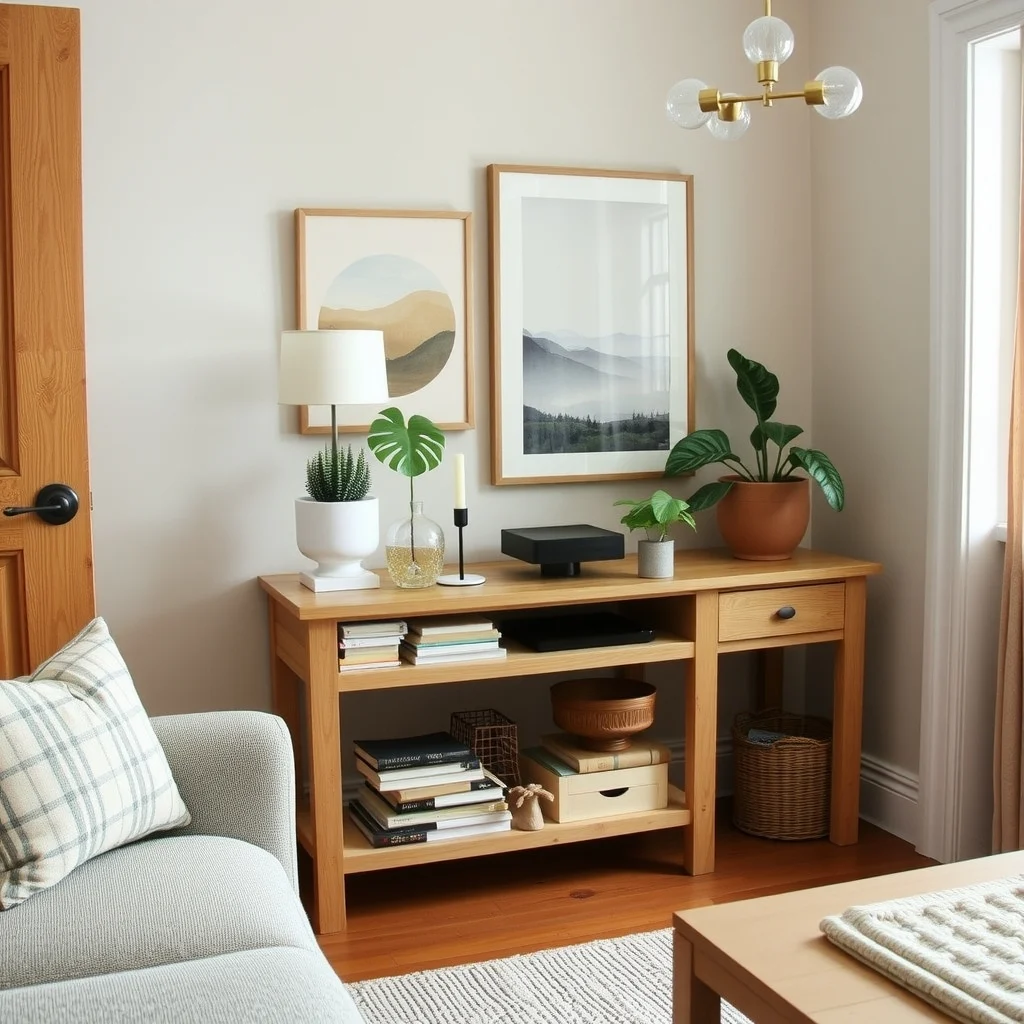
For those who wear sunglasses regularly, a dedicated pull‑out drawer offers protection from scratches and a place to keep them within reach. A console made of reclaimed pine, left with a natural distressed finish, adds character and fits well in a small home that values sustainability. The drawer, only three inches high, slides out smoothly on ball‑bearing runners and can be lined with a soft microfiber pad. Position the console near a window where natural light highlights the frames, making it easy to choose the right pair for the day. The open space beneath the drawer can hold a slim tray for keys, creating a layered organization system without adding bulk. This solution respects the need for both protection and visibility.
6. Add a Decorative Tray on a Nightstand for Evening Essentials
This image is by AI for inspiration only.
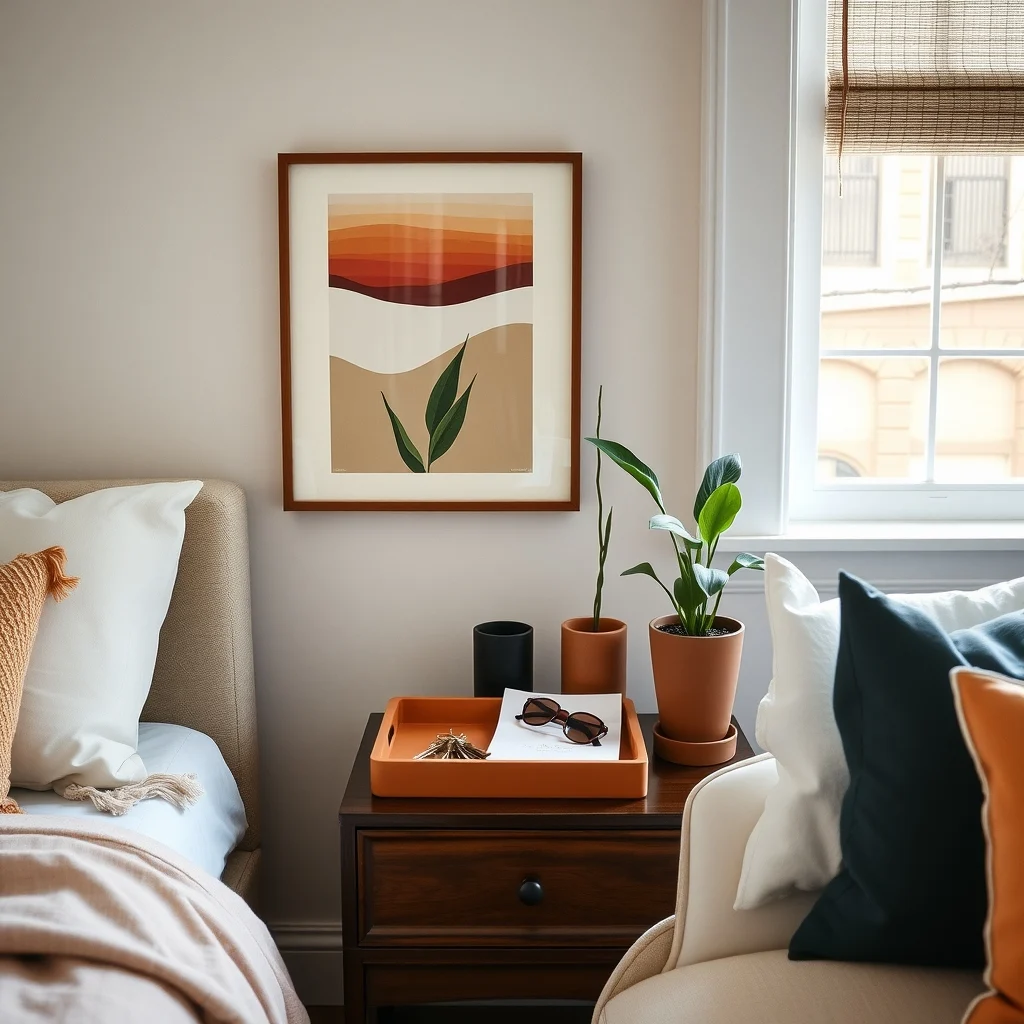
Evening routines often involve grabbing keys, a pair of sunglasses, and a quick glance at the mail before heading to bed. Placing a decorative tray—perhaps in a matte terracotta ceramic—on the nightstand gathers these items in one spot. The tray’s low profile prevents it from overwhelming the limited surface area of a small nightstand, and its earthy hue complements a muted bedroom palette. Pair the tray with a small, stackable wooden box for mail that arrives after dinner, ensuring that paperwork does not end up on the floor. Because the tray is part of the nightstand’s visual composition, it feels intentional rather than improvised, and the routine of returning items to the tray each night reinforces habit formation.
7. Employ a Portable Rolling Cart for Seasonal Switch‑Outs
This image is by AI for inspiration only.
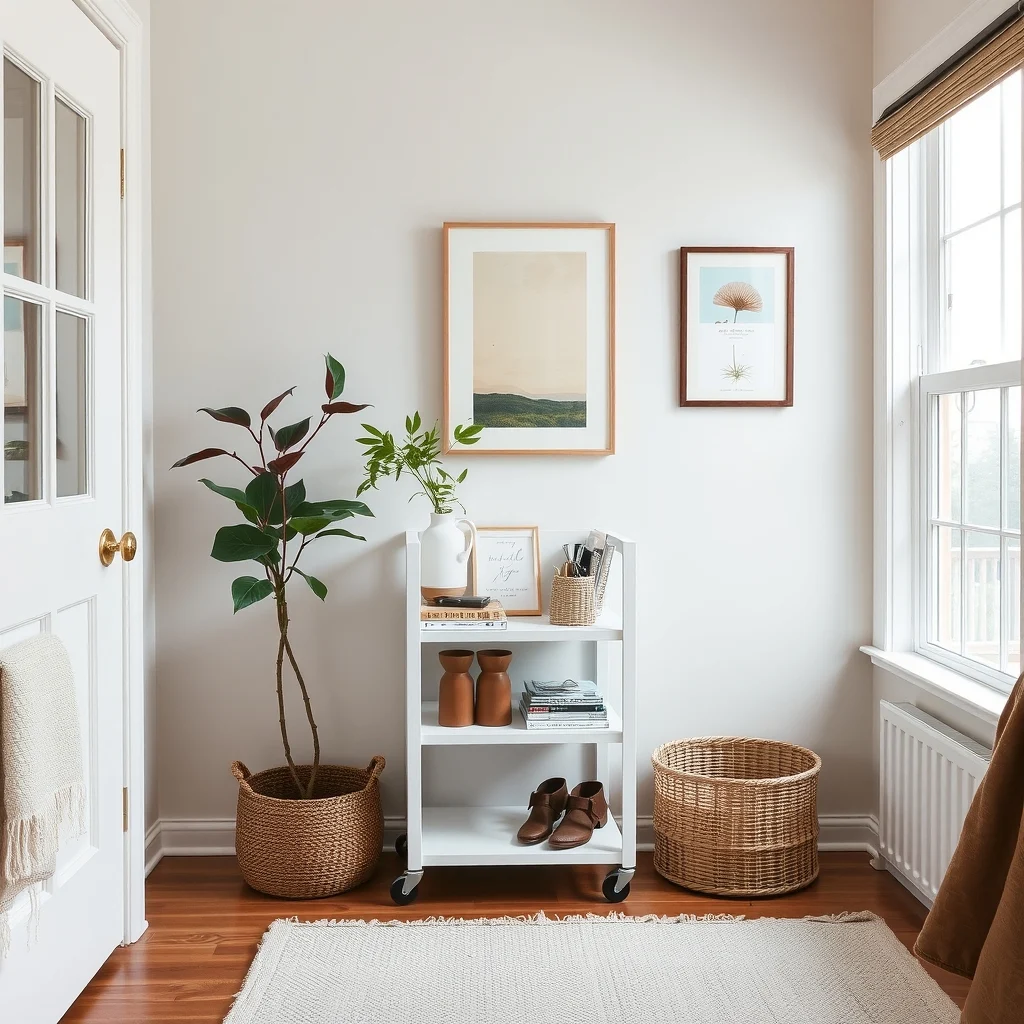
When the seasons change, you may need to store extra sunglasses or swap out a set of decorative keys. A compact rolling cart, finished in powder‑coated white, offers mobility and flexibility. Its three shelves can be arranged so that the top holds a basket for seasonal sunglasses, the middle holds a small tin for spare keys, and the bottom accommodates a stack of mail awaiting processing. The cart’s wheels glide quietly across hardwood, and its lightweight frame allows you to move it from the entryway to a closet as needed. The white finish reflects light, keeping the cart from feeling heavy in a small room. By using a mobile unit, you avoid permanent fixtures that could limit future layout changes, and you keep seasonal items neatly organized until they’re needed again.
FAQ
This image is by AI for inspiration only.
How can I keep my keys from getting lost in a small apartment?
Designate a single visible spot, such as a wall hook or tray, where you always place your keys the moment you walk in. Consistency creates a habit, and a visible container reduces the chance of misplacement.
What is the best material for a mail organizer that will last?
Powder‑coated steel is durable, resists dents, and holds its color over time. It also works well in both modern and traditional interiors, making it a reliable choice for a long‑lasting mail sorter.
Can I store sunglasses without a case and still protect them?
A soft microfiber liner inside a shallow drawer or tray provides a gentle surface that prevents scratches. The key is to keep the lenses away from hard edges and direct sunlight.
Is it okay to mix different finishes, like brass hooks with a wooden console?
Mixing finishes can add visual interest when the colors complement each other. Pairing warm wood with brushed brass creates a balanced contrast that feels intentional rather than mismatched.
How often should I declutter the entryway drop zone?
Review the items in the drop zone once a week. Removing items that no longer belong prevents buildup and keeps the area functional.
Final Thoughts
This image is by AI for inspiration only.
Organizing keys, mail, and sunglasses in a small home is less about adding more storage and more about placing the right pieces where you naturally reach. By establishing a clear drop zone, using wall‑mounted solutions, and selecting furniture that doubles as storage, you create a streamlined flow that respects both function and style. Each of the ideas above can be mixed and matched to suit your layout, color scheme, and daily habits, turning a cluttered entryway into a welcoming, organized space.