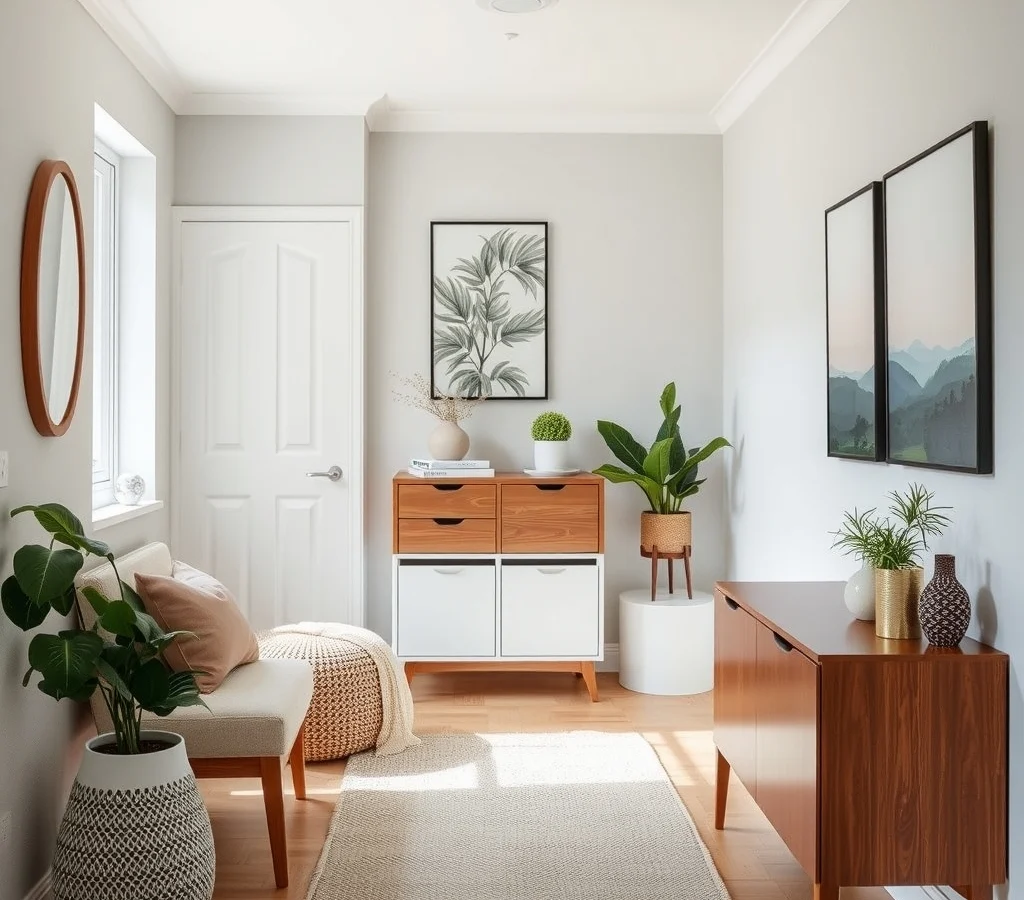
Small Hallway Storage Ideas That Do Not Block the Walkway

Hallways often become the forgotten corridors where coats, shoes, mail and stray keys accumulate, yet the space itself is rarely wide enough to accommodate bulky furniture. The challenge is to add storage that feels intentional without narrowing the path you need to walk. Below are seven thoughtfully designed solutions that keep the passage clear, blend with a range of décor styles, and give you a place for the items that tend to linger in entryways.
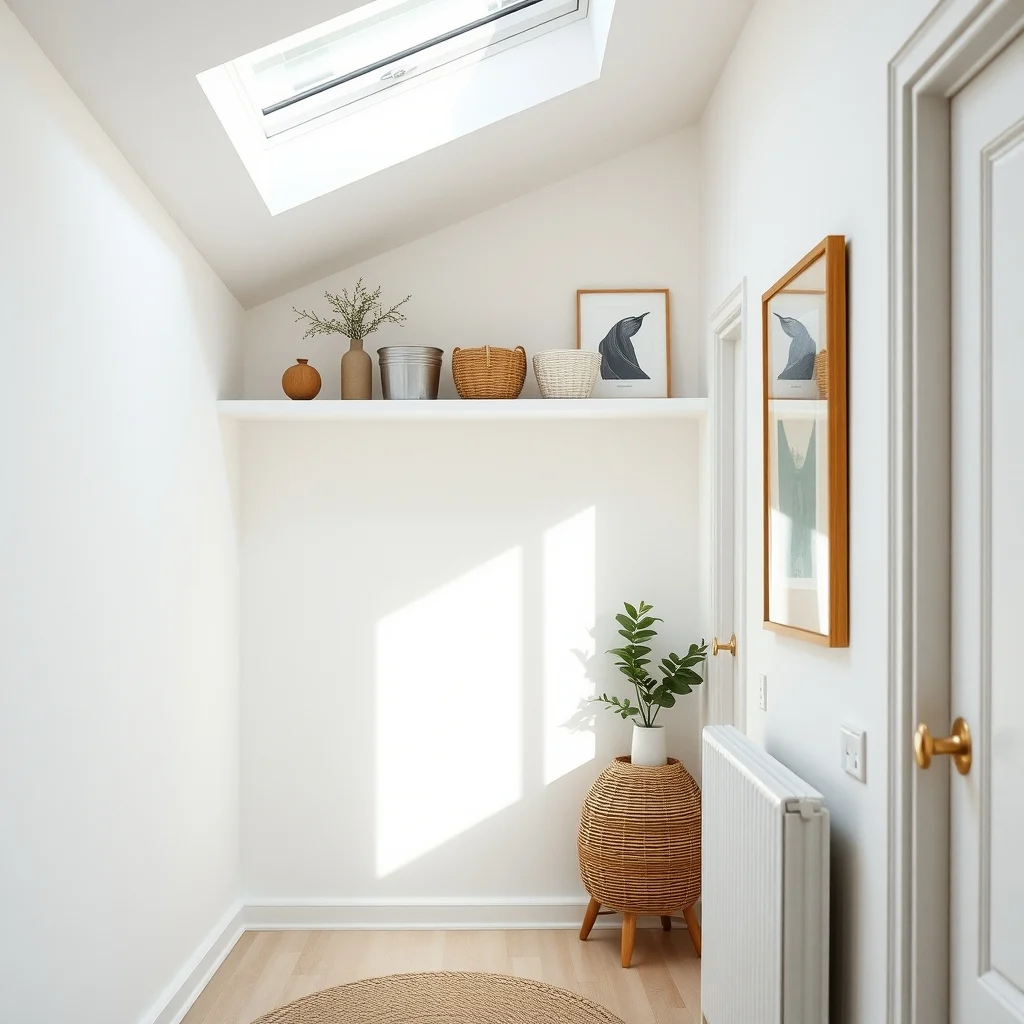
1. Wall‑Mounted Floating Shelf with Integrated Baskets
This image is by AI for inspiration only.
A floating shelf set just above eye level creates a visual line that draws the eye upward, making the hallway feel taller. By choosing a shelf that includes shallow woven baskets or metal bins, you gain compartments for mail, gloves or a small plant without adding any protruding bulk. The key is to anchor the shelf to studs and use a brushed‑nickel bracket that is hidden from view, so the hardware does not compete with the objects it holds. Light‑colored wood, such as oak in a soft greige finish, reflects natural light from a nearby window, keeping the area bright. When you need to clean, the baskets slide out easily, and the shelf itself can be dusted with a microfiber cloth.
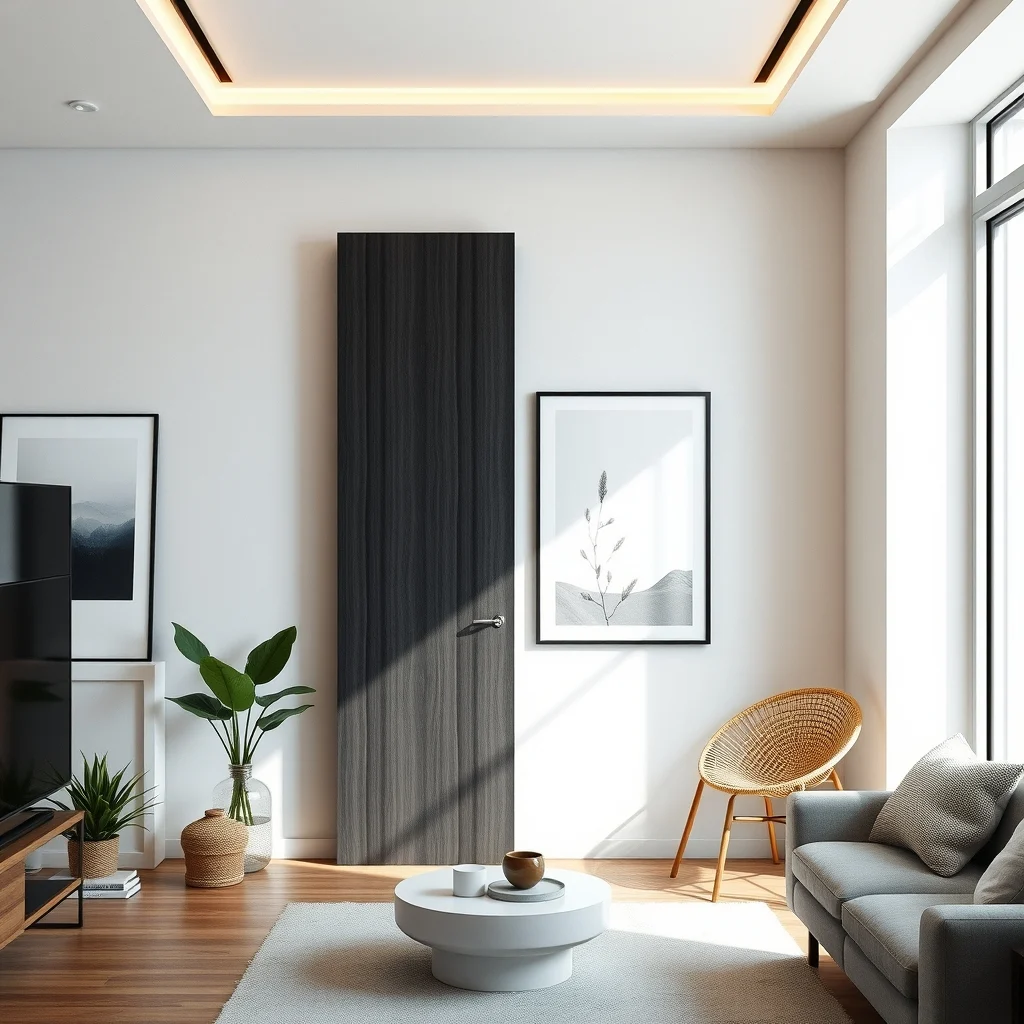
2. Narrow Tall Cabinet with Sliding Doors
This image is by AI for inspiration only.
A cabinet that rises close to the ceiling makes use of vertical space that many hallways leave untouched. Selecting a piece no wider than eight inches allows the door to glide past the wall without sticking out into the passage. Sliding doors in a matte lacquer, perhaps in a muted navy or warm olive, conceal clutter while adding a subtle design statement. Inside, a single shelf can hold a row of shoes or a stack of seasonal hats, and a lower drawer provides a hidden spot for keys and wallets. Because the cabinet does not swing outward, you avoid the risk of catching clothing or bumping into it on a busy day. The only trade‑off is that you must plan the interior layout ahead of time, as the narrow width limits the number of adjustable shelves you can install.
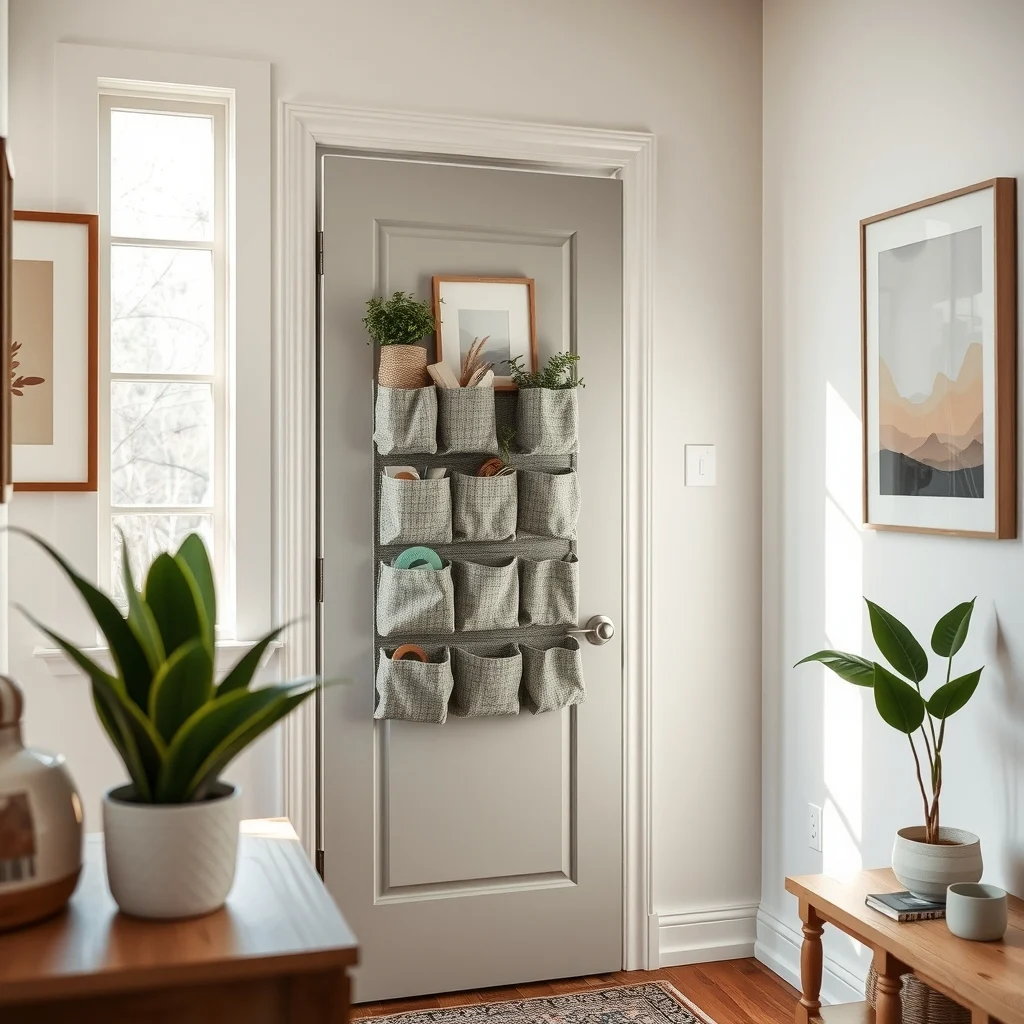
3. Over‑Door Pocket Organizer Made of Woven Fabric
This image is by AI for inspiration only.
When a hallway door is present, the back of the door becomes an overlooked canvas for storage. A fabric organizer that hangs from the top of the door offers multiple pockets that can hold mail, sunglasses, or a handful of scarves. Choosing a natural linen in a soft terracotta tone adds texture without overwhelming the space, and the material breathes, reducing the chance of mildew in damp climates. The organizer attaches with sturdy hooks that distribute weight evenly, so the door remains functional. Because the pockets sit on the door’s surface, they never intrude on the floor area, making this option ideal for narrow passages. Keep in mind that heavy items such as books should be avoided, as the fabric can sag over time.
4. Slim Console Table with Hidden Drawers
This image is by AI for inspiration only.
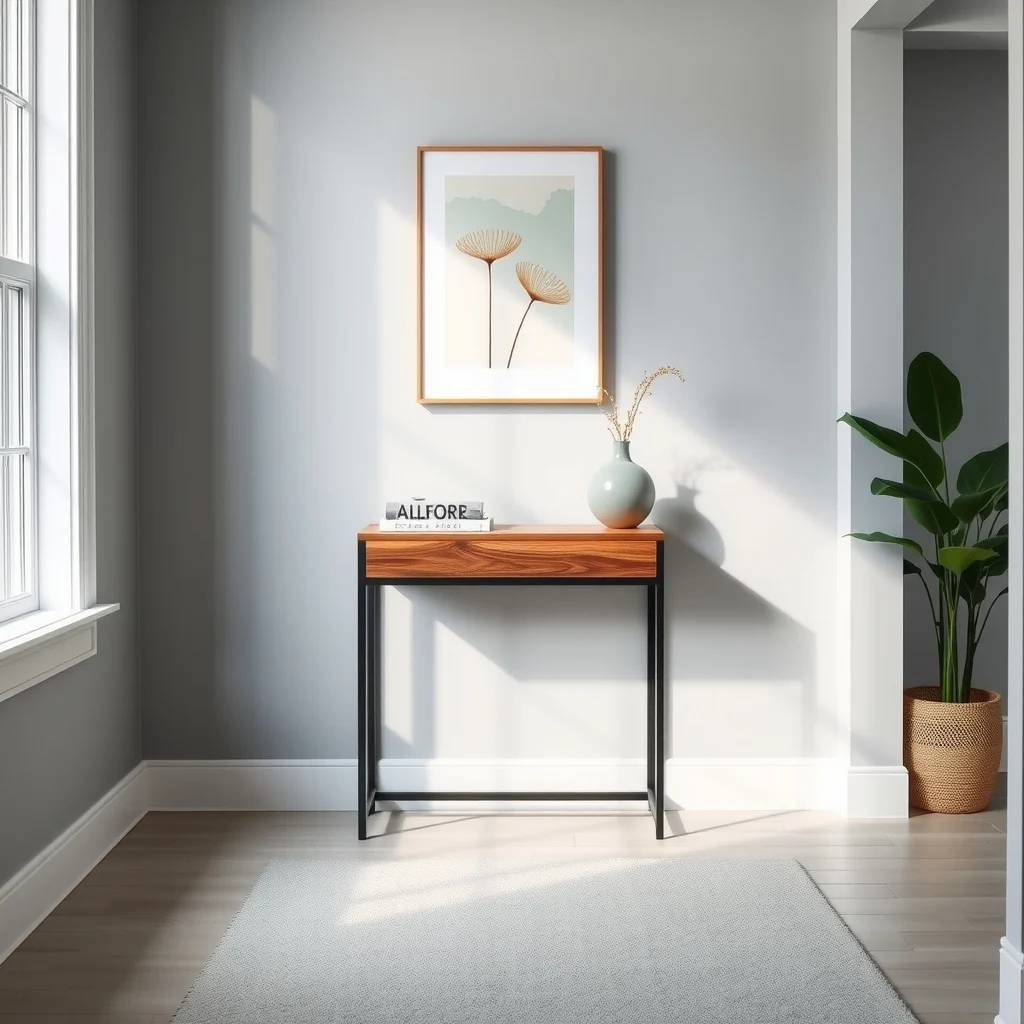
A console table that is only six inches deep can serve as a surface for decorative items while still leaving plenty of room to pass. Opt for a piece with a single drawer that slides in flush, allowing you to tuck away a spare set of keys, a small notebook, or a pair of earbuds. A tabletop finished in a brushed walnut gives the hallway a warm anchor point, and a thin metal leg in brushed brass adds a contemporary touch without demanding visual weight. Because the table sits against the wall, it does not obstruct sight lines, and the hidden drawer keeps clutter out of view. The main limitation is that the table’s length must be measured carefully; a piece that extends too far can become a new obstacle in a tight hallway.
5. Recessed Nook Built Into the Wall
This image is by AI for inspiration only.
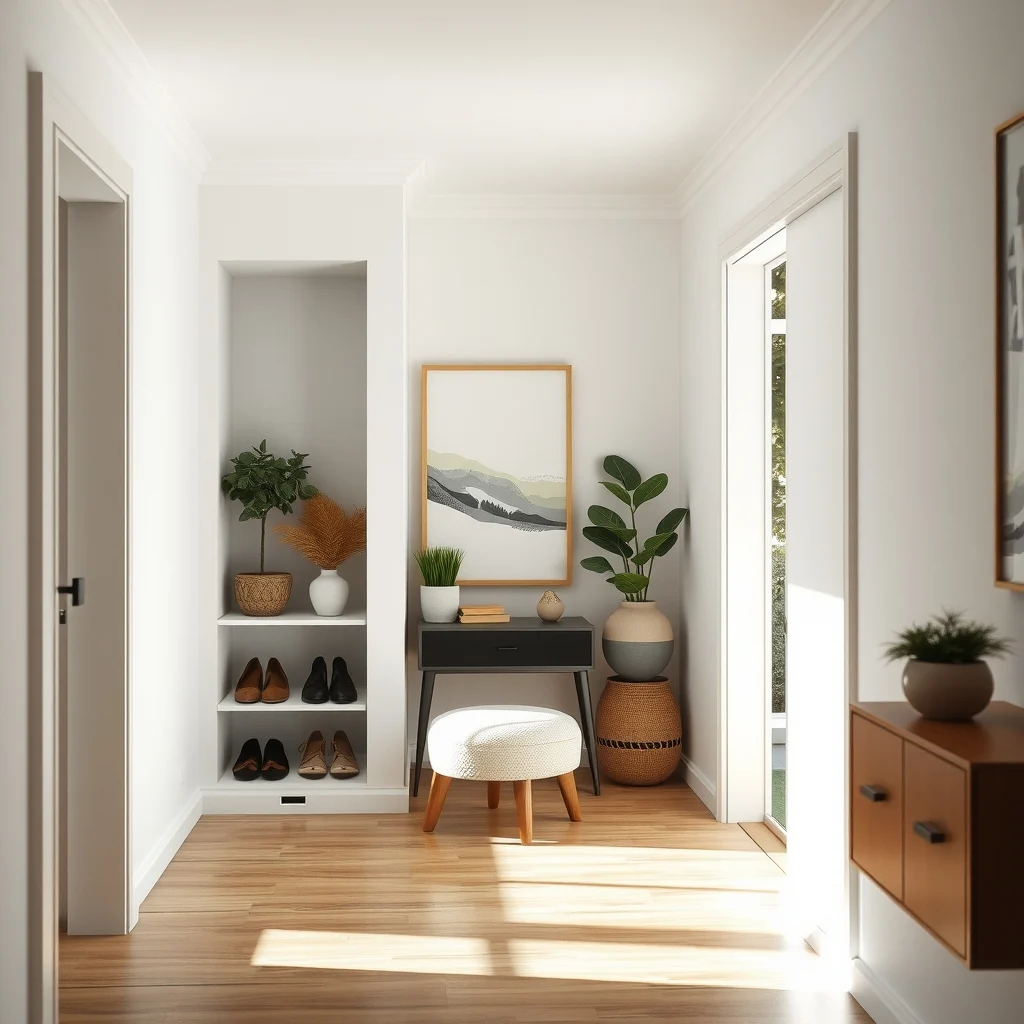
Carving a shallow alcove into an existing wall creates a built‑in niche that feels like a natural extension of the architecture. A depth of four inches is enough to accommodate a row of slim shoe racks or a collection of decorative bowls while keeping the floor unobstructed. Finishing the interior with a contrasting paint—perhaps a deep charcoal against light plaster—adds visual interest and defines the space without requiring additional frames. Lighting can be enhanced by installing a narrow LED strip along the top edge, providing a soft glow that highlights the items displayed. This solution works best in hallways where the wall is free of electrical outlets or plumbing, and it may require professional assistance to ensure structural integrity.
6. Vertical Ladder Shelf with Open Rungs
This image is by AI for inspiration only.
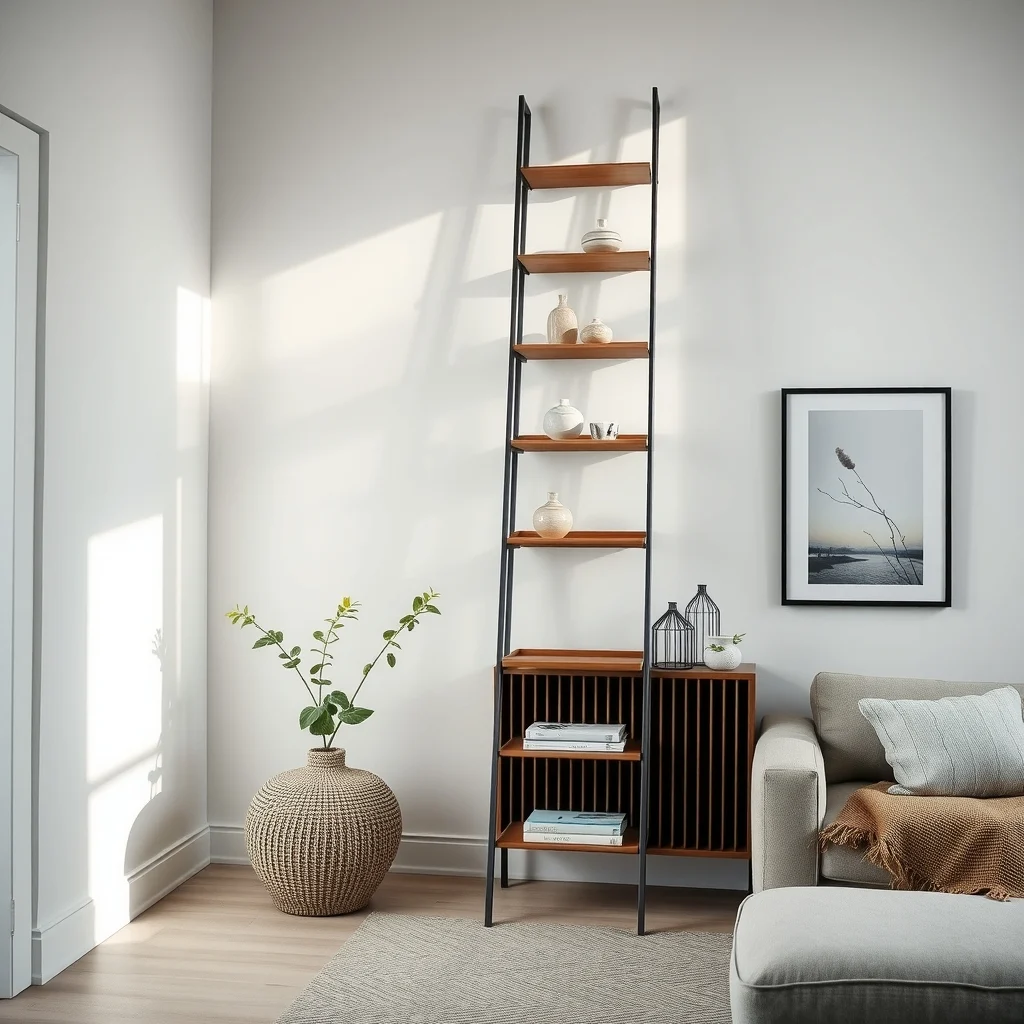
A ladder‑style shelf leans against the wall at a gentle angle, using open rungs that act as both support and display space. By selecting a design made from powder‑coated steel in a muted slate, the piece resists fingerprints and blends with most colour palettes. The open‑rung design means that each level is only a few inches deep, allowing you to place a small basket of keys, a decorative vase, or a slim photo frame without crowding the walkway. Because the ladder rests on the floor at an angle, it does not protrude far into the passage, and you can move it easily if you need to rearrange the hallway. The main consideration is stability; placing a rubber foot at the base prevents slipping on polished wood or tile floors.
7. Multi‑Function Mirror with Slim Shelf
This image is by AI for inspiration only.
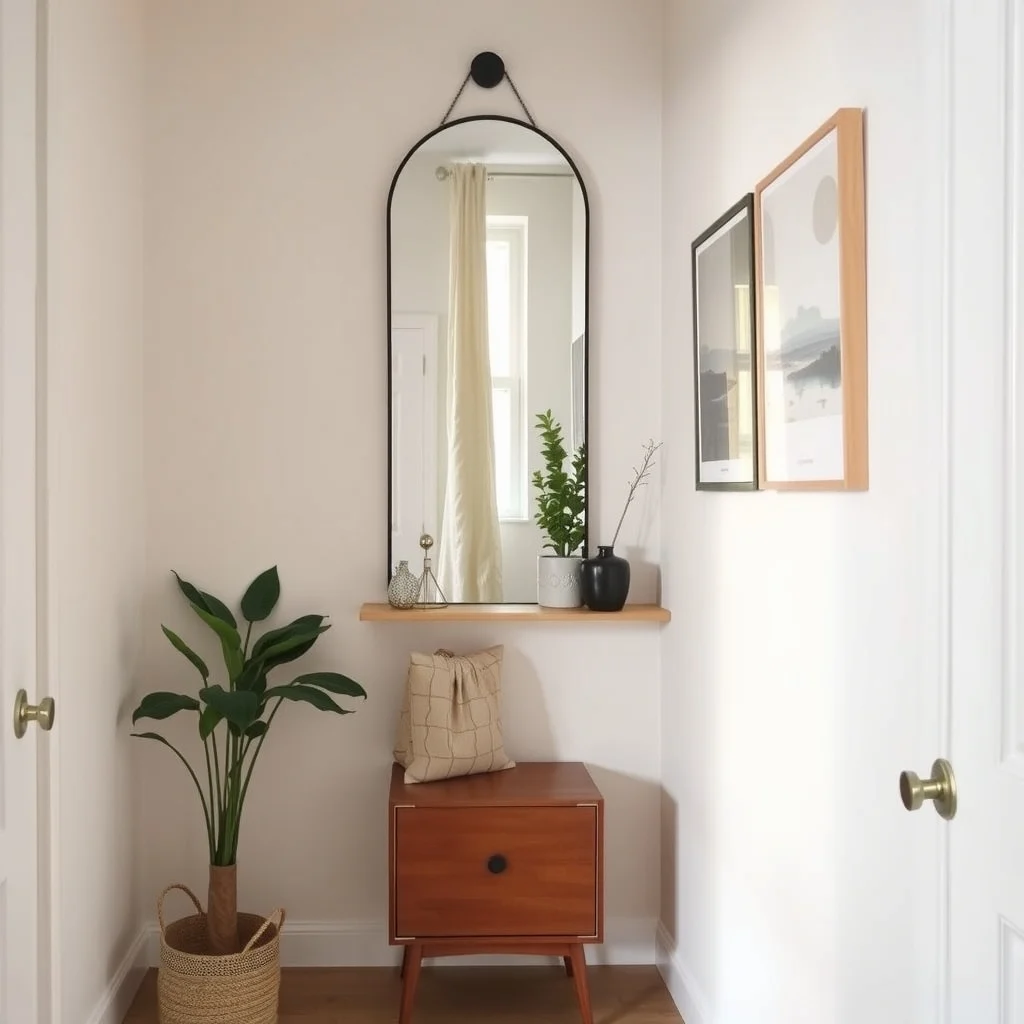
Combining a mirror with a narrow shelf provides both a functional surface and an illusion of added space. A mirror that stretches the width of the hallway, set at eye level, reflects light and makes the corridor feel larger, while a thin ledge beneath it offers a place for a decorative tray, a handful of mail, or a small plant. Choosing a frame in brushed brass or a simple black metal keeps the look contemporary, and the mirror’s reflective surface reduces the need for additional lighting. Because the shelf is recessed just a half‑inch into the wall, it does not impede foot traffic. The drawback is that the mirror must be securely mounted to support any weight placed on the shelf, so using appropriate anchors is essential.
FAQ
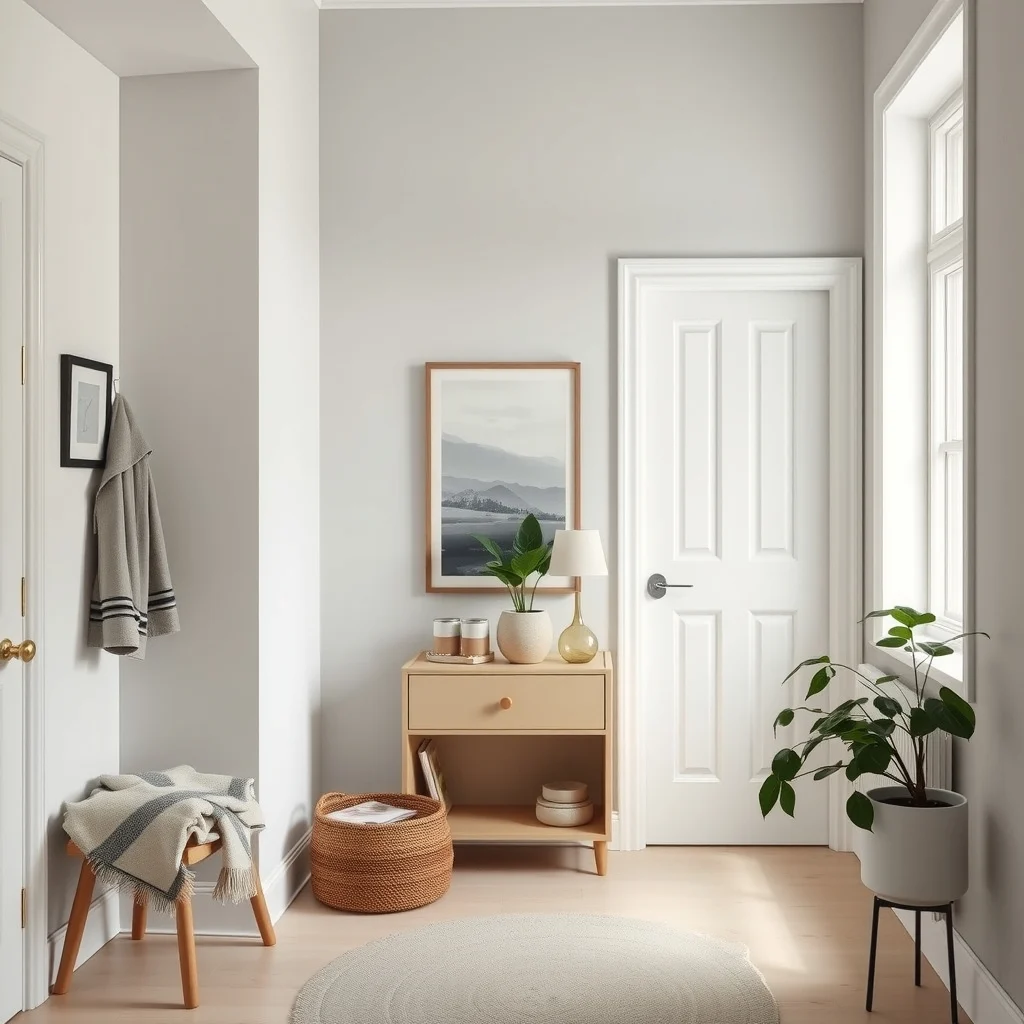
This image is by AI for inspiration only.
How can I keep hallway storage from looking cluttered?
Stick to a limited colour palette and choose pieces with clean lines; this creates visual harmony even when several items are stored.
What height should wall‑mounted shelves be installed at?
Mount them about 60 to 66 inches from the floor so they are reachable for most adults but remain out of the way of daily traffic.
Are sliding‑door cabinets safe for narrow hallways?
Yes, because the doors glide parallel to the wall rather than swinging outward, they preserve the clear width of the passage.
Can I use a ladder shelf on a carpeted hallway?
A ladder shelf works on carpet as long as you place rubber pads under the legs to prevent slipping and to protect the carpet fibers.
What is the best material for a hallway basket that will hold shoes?
Woven seagrass or sturdy canvas resists moisture and holds shape, making them suitable for shoe storage without sagging.
Final Thoughts
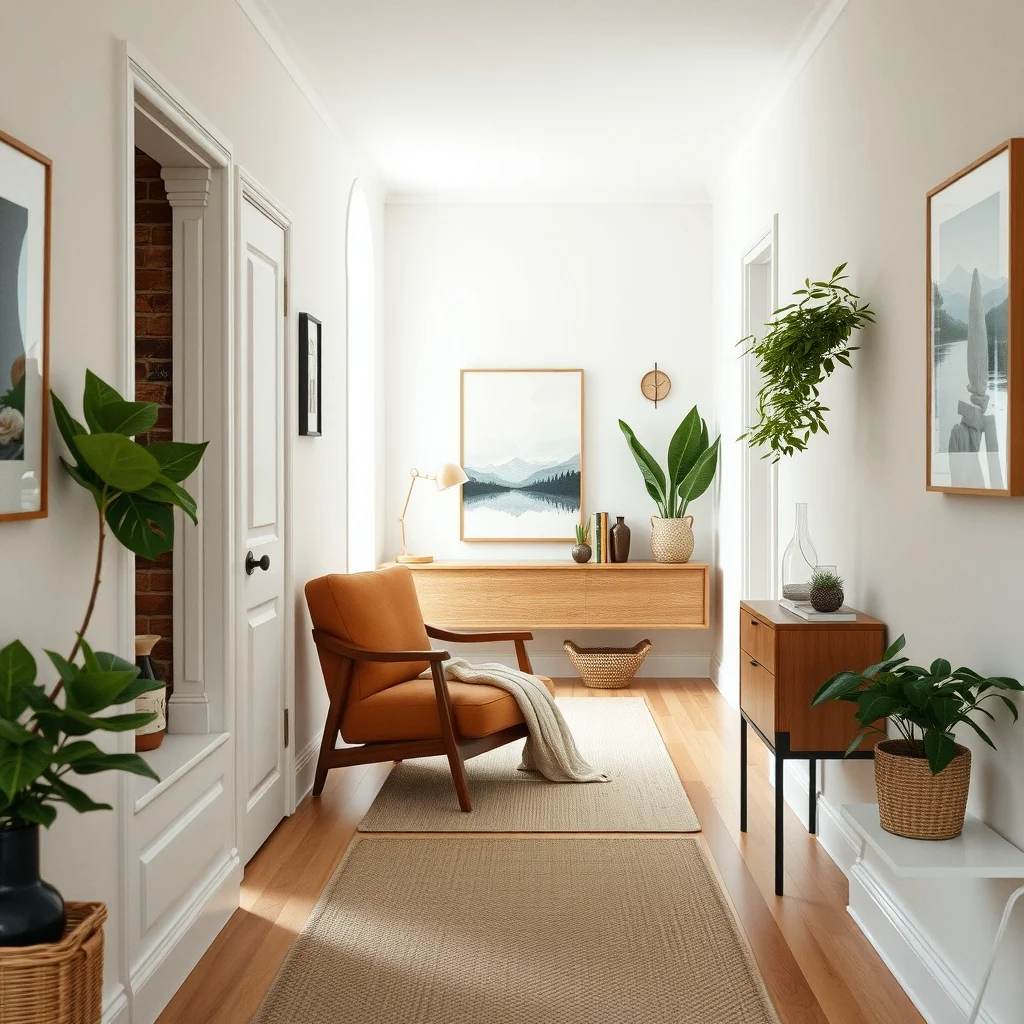
This image is by AI for inspiration only.
Finding storage for a hallway does not have to mean sacrificing the flow of the space. By thinking vertically, using the back of doors, or integrating storage into the wall itself, you can keep everyday items within reach while preserving a generous walking path. Each of the seven ideas presented offers a different balance of style, function, and installation effort, so you can choose the solution that best matches your hallway’s dimensions and your personal taste. When you select materials that complement your home’s existing palette and pay attention to anchoring and stability, the result is a tidy, welcoming corridor that welcomes you home every day.