Smart Ways to Store Extra Toiletries in a Small Apartment

Living in a compact space often means every square foot competes for attention. The bathroom, while essential, can quickly become a catch‑all for half‑used bottles, spare shampoo, and travel kits that never find a home. The good news is that thoughtful storage can turn even the tiniest bathroom into an organized, visually calm zone. Below are seven ideas that blend function with style, helping you keep extra toiletries out of sight without sacrificing the room’s aesthetic.
1. Turn the Bathroom Mirror Cabinet into a Mini Closet
This image is by AI for inspiration only.
Many apartments feature a shallow cabinet built into the mirror frame, but it is frequently left empty or used for only a few items. By adding a slim, adjustable organizer inside, you can transform that hidden niche into a dedicated mini closet for toiletries. The organizer’s vertical dividers keep bottles upright, preventing spills, while a small pull‑out tray offers a place for cotton pads or travel-sized containers. Because the cabinet is already part of the mirror, the storage remains out of the visual field, preserving the clean lines of the wall. The trade‑off is that the depth is limited, so very tall bottles may need a different home, but the convenience of reaching for a spare bottle without opening a drawer outweighs the restriction.
2. Use the Space Behind the Door with Slim Racks
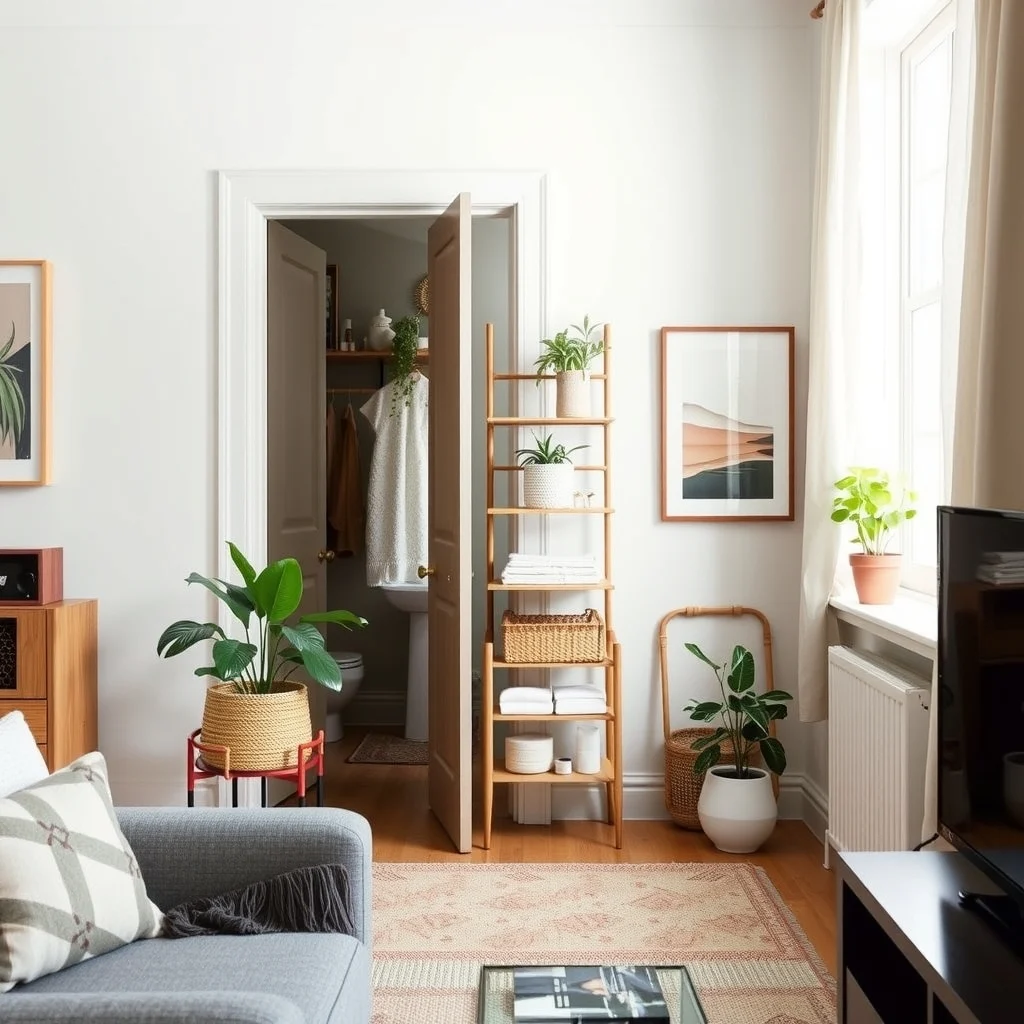
This image is by AI for inspiration only.
The back of a bathroom door is often overlooked, yet it presents a narrow vertical plane that can hold a surprising amount of weight. Installing a slim metal or bamboo rack that hugs the door’s surface creates a discreet shelf for items such as a spare razor, a small bottle of lotion, or a compact first‑aid kit. Because the rack sits just a few centimeters from the door, it does not interfere with the swing, and the natural wood grain can soften the otherwise clinical feel of a tiled bathroom. One limitation is that the rack must be securely anchored to avoid wobbling, especially if you store heavier glass bottles. Choosing a rack with a brushed finish can also help hide water spots that may appear over time.
3. Repurpose a Narrow Kitchen Cart for Bathroom Essentials
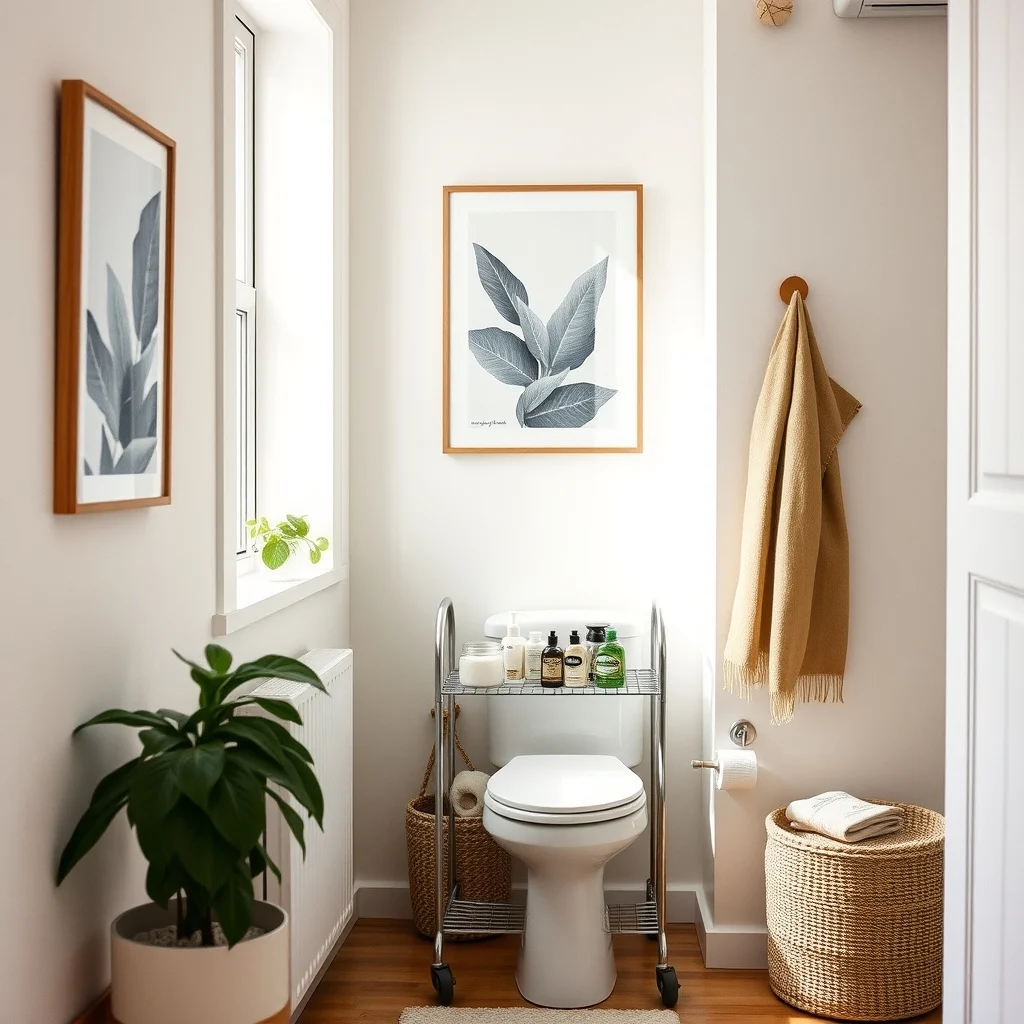
This image is by AI for inspiration only.
A narrow, three‑tier kitchen cart—often used for spices or coffee supplies—fits neatly against a bathroom wall without demanding floor space. By selecting a cart with a metal frame and a laminate top, you gain a mobile storage unit that can be rolled under the sink or beside the bathtub. The top tier works well for daily items like toothbrushes and hand soap, while the middle and lower shelves hold extra shampoo, conditioner, and body wash in their original containers. The cart’s wheels allow you to pull it away for cleaning, and the open design encourages airflow, reducing the risk of mold on damp bottles. The primary consideration is ensuring the cart’s height does not block a window or interfere with the shower curtain rod.
4. Hang Clear Acrylic Bins on the Wall for Visibility
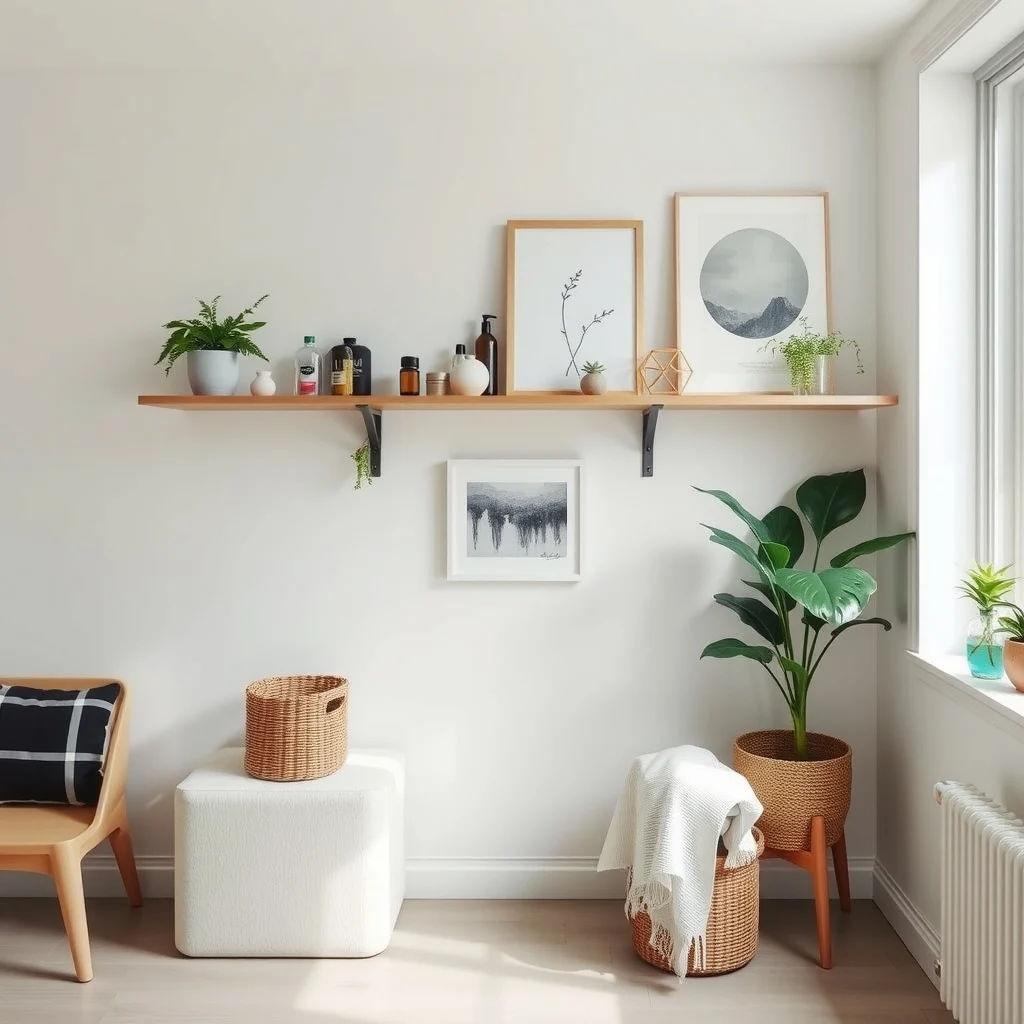
This image is by AI for inspiration only.
Clear acrylic wall bins combine the practicality of a shelf with the visual lightness of glass. When mounted at eye level, they act as transparent pockets where you can see each bottle’s label without rummaging through a drawer. Because acrylic is resistant to humidity, it holds up well in steamy environments, and its reflective surface can bounce light, making a small bathroom feel brighter. Pairing two narrow bins side by side creates a balanced look that mirrors the symmetry of tiled walls. The downside is that acrylic can scratch if handled roughly, so a soft cloth is advisable for cleaning. Choosing bins with a brushed edge helps hide minor scuffs that may appear over time.
5. Install a Pull‑Out Shelf Inside the Shower Niche
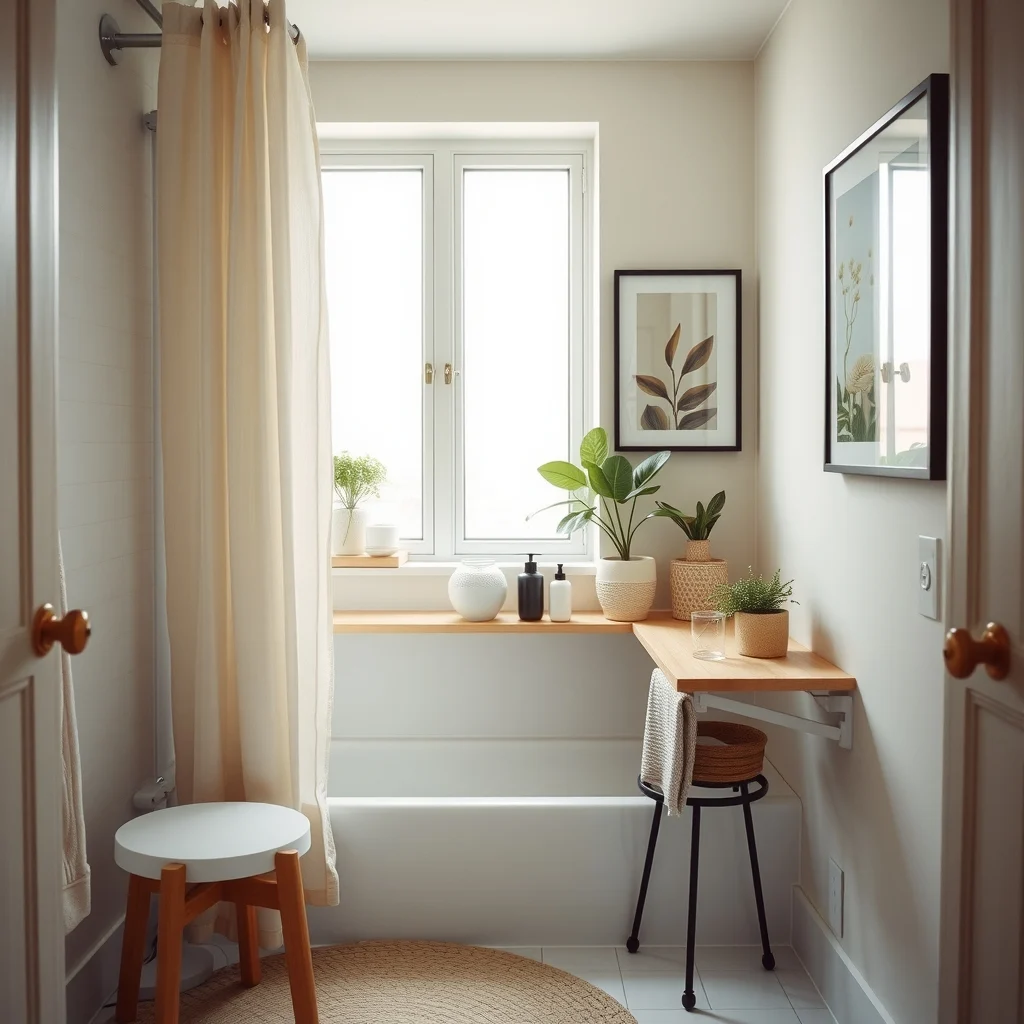
This image is by AI for inspiration only.
If your shower includes a recessed niche, consider converting it into a pull‑out shelf rather than a static ledge. A custom-fabricated shelf that slides on low‑friction tracks lets you glide the surface outward, giving you full access to bottles that would otherwise be wedged behind one another. The shelf’s surface can be finished in a matte ceramic that matches the surrounding tile, maintaining a cohesive look. By keeping the shelf inside the shower, you protect products from dust while still allowing ventilation, which prevents the growth of mildew on caps. The installation does require a small amount of drilling, so it is best suited for renters who have permission to make minor modifications.
6. Choose a Stylish Ladder Shelf for Floor‑Level Storage
This image is by AI for inspiration only.
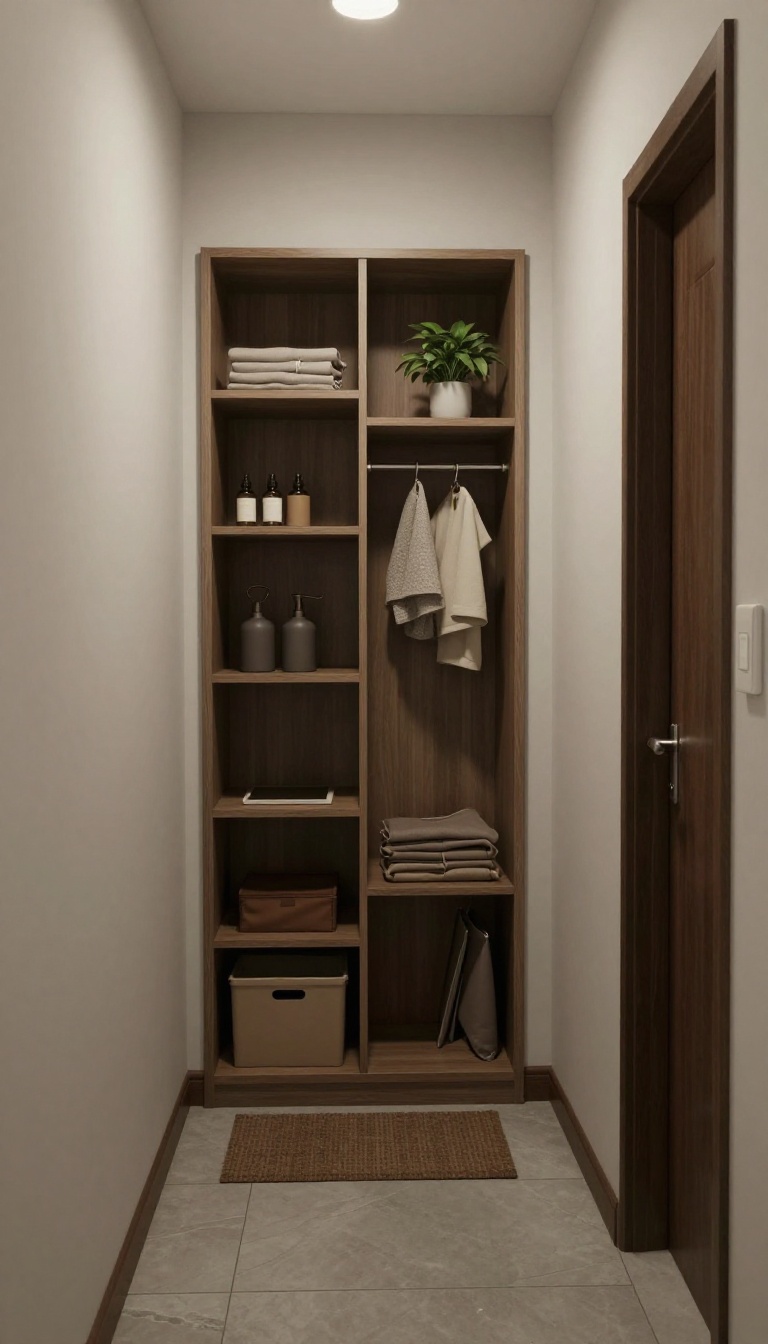
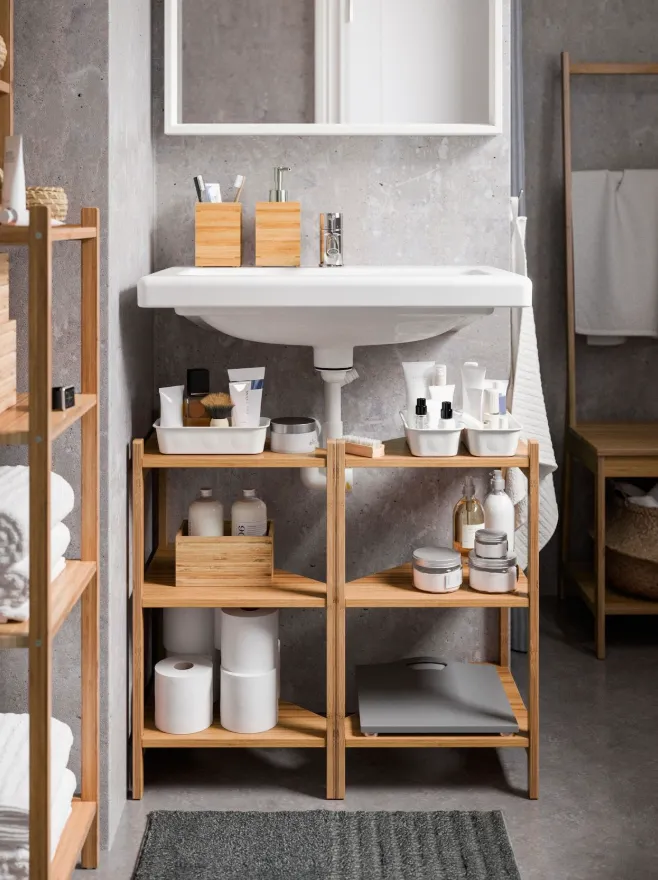
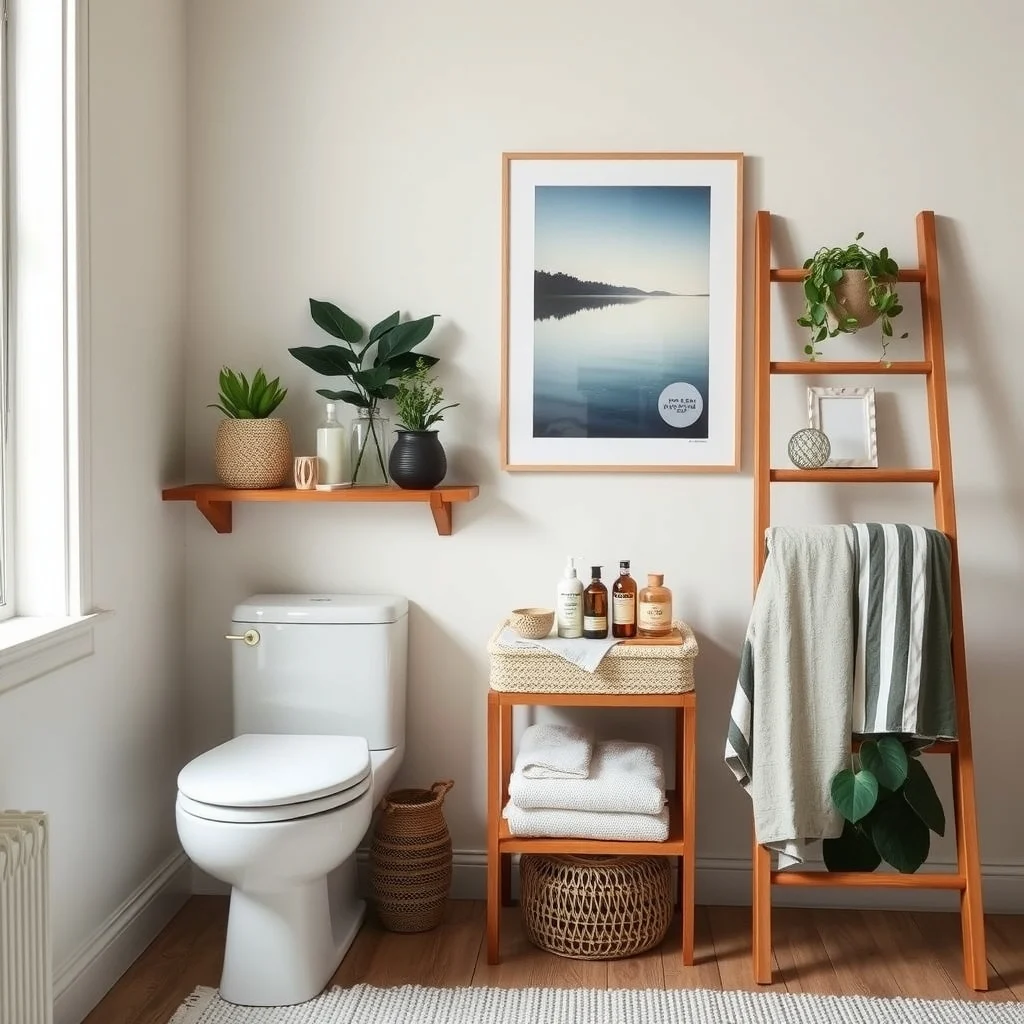
A wooden ladder shelf placed against a bathroom wall adds both storage and a decorative element. The ladder’s rungs create natural compartments for larger items such as a spare bottle of body scrub, a decorative soap dish, or a basket of cotton rolls. Because the ladder leans rather than stands upright, it occupies a minimal footprint while still providing multiple layers of access. Selecting a piece finished in a warm walnut tone can contrast nicely with cool gray tiles, creating visual interest without overwhelming the space. However, the open design means that items are exposed to humidity, so it is wise to keep only sealed containers on the lower rungs and store open‑top products elsewhere.
7. Keep a Rotating Caddy on the Vanity for Daily Rotation
This image is by AI for inspiration only.
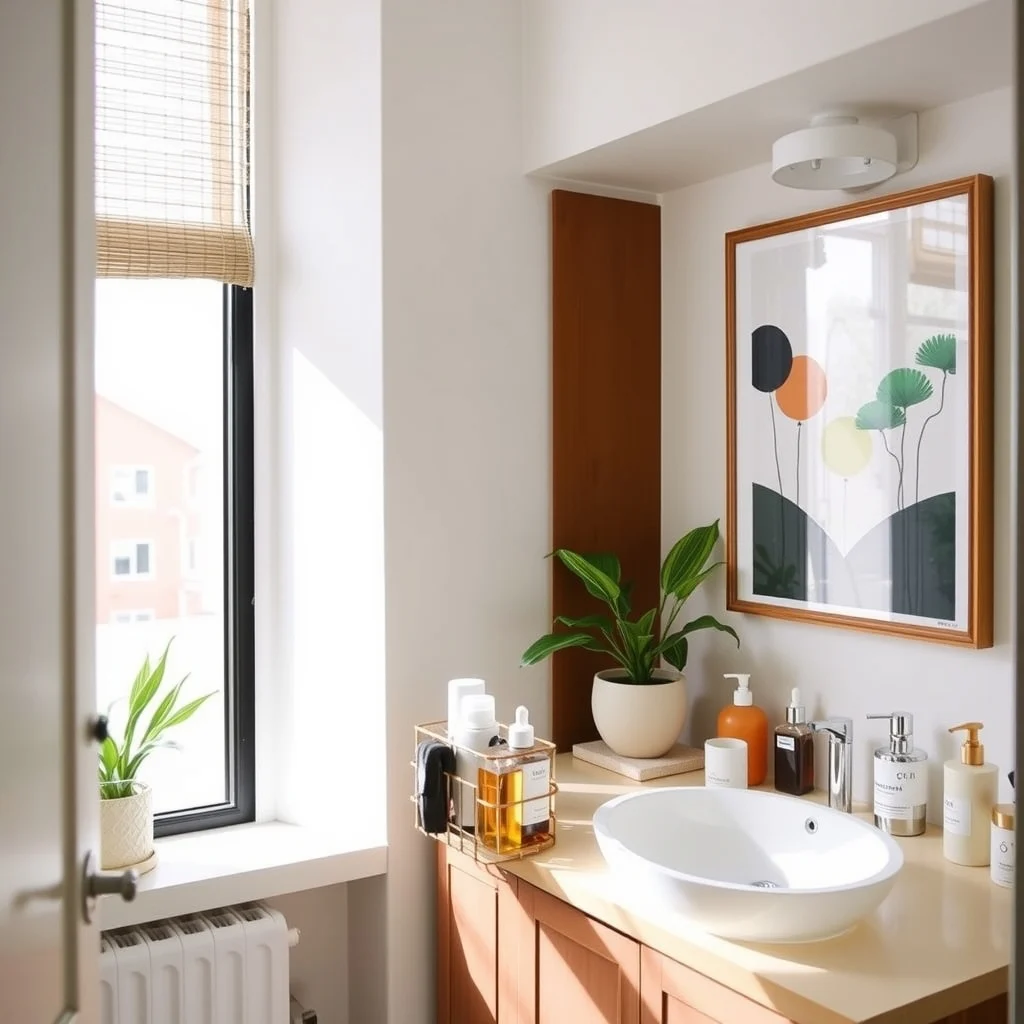
A small rotating caddy—similar to those used for spices—can sit on the vanity and hold the toiletries you use most often. By turning the caddy, you bring the next bottle to the front, ensuring that older products are used before newer ones. The caddy’s compact size fits comfortably on a countertop without crowding a toothbrush holder or makeup tray. A brushed‑metal finish can complement chrome faucet handles, while a matte white version blends into a minimalist aesthetic. The main limitation is the caddy’s capacity; it works best for a handful of items, so larger bottles should still find a home elsewhere. Regularly rotating the caddy also reminds you to check expiration dates, keeping your bathroom supplies fresh.
FAQ
This image is by AI for inspiration only.
How can I keep toiletries from getting damp in a bathroom cabinet?
Store items in airtight containers or use silicone seals to prevent moisture from seeping in. Cabinets positioned away from direct steam, such as those under a window, also stay drier. Adding a small silica‑gel packet can absorb residual humidity without affecting the products.
What type of containers are best for storing extra shampoo?
Opaque, pump‑type bottles protect the formula from light and help maintain consistency. If you prefer to keep the original bottle, placing it inside a clear acrylic bin adds a layer of protection while keeping the label visible.
Is it safe to use adhesive hooks for bathroom storage?
Adhesive hooks rated for bathroom use can hold lightweight items like travel‑size containers. Ensure the surface is clean and dry before application, and avoid placing them near the shower where constant steam may weaken the adhesive over time.
How often should I declutter my bathroom supplies?
A quick review every three months helps you identify empty or expired products. Removing items you haven’t used in the past six months frees up space for the toiletries you actually need.
Can I store cosmetics with toiletries without damaging them?
Cosmetics that are sensitive to heat or humidity, such as certain foundations, should be kept away from the shower area. A separate drawer or a wall‑mounted acrylic bin on the vanity provides a cooler, drier environment while still keeping everything within reach.
Final Thoughts
This image is by AI for inspiration only.
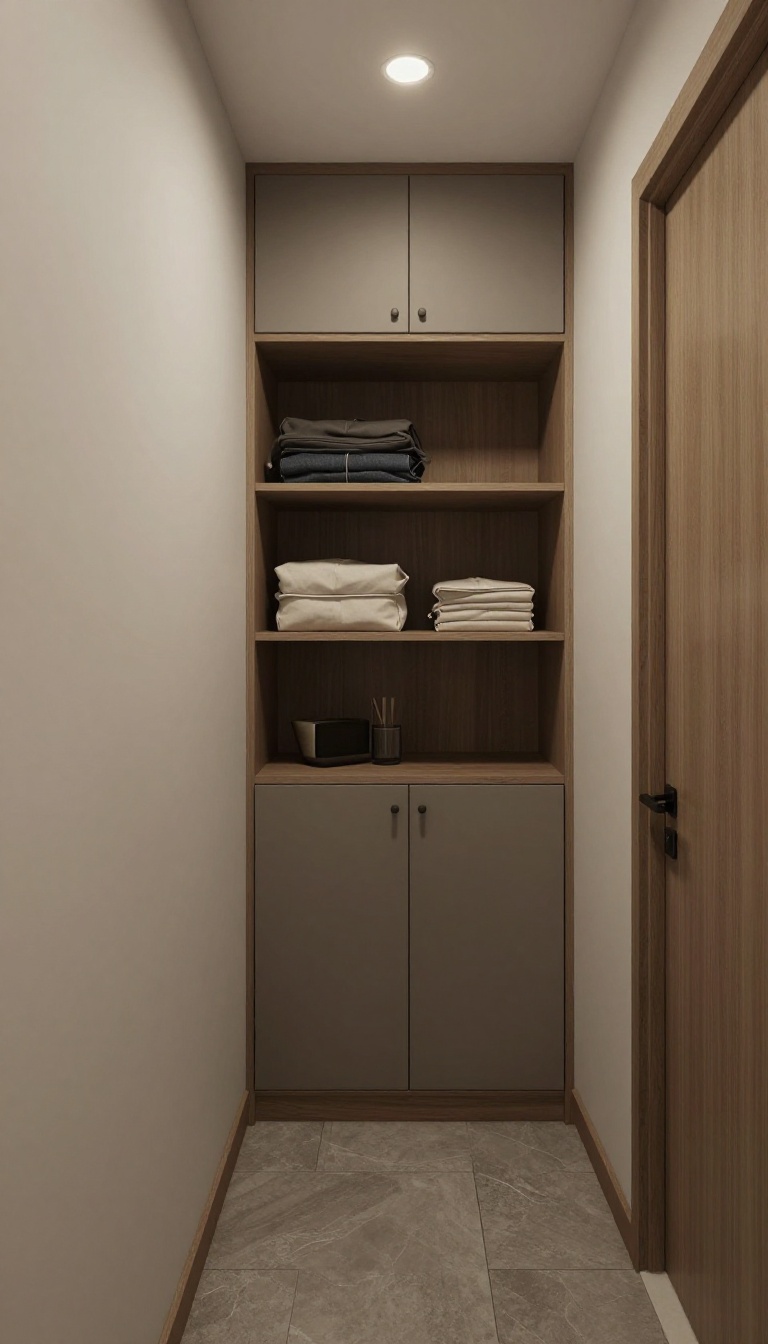
Finding room for extra toiletries in a small apartment is less about adding more storage and more about using what you already have in smarter ways. By turning overlooked surfaces into functional niches, choosing materials that tolerate moisture, and keeping the visual weight low, you can maintain a tidy bathroom that feels intentional rather than cramped. Each of the seven strategies presented can be mixed and matched to suit your layout, style, and budget, allowing you to enjoy a clutter‑free routine without sacrificing the look you love.