Small Kitchen Storage for Bulk Groceries in a Rental

Living in a rental often means working with limited cabinetry, thin walls, and rules about what you can alter. Yet the desire to buy pantry staples in larger quantities doesn’t have to clash with a modest kitchen footprint. Below you’ll find seven ideas that keep bulk items organized, accessible, and visually tidy without jeopardizing a lease. Each approach respects the constraints of a rental—no permanent fixtures, modest budgets, and easy reversibility—while still giving the space a purposeful look.
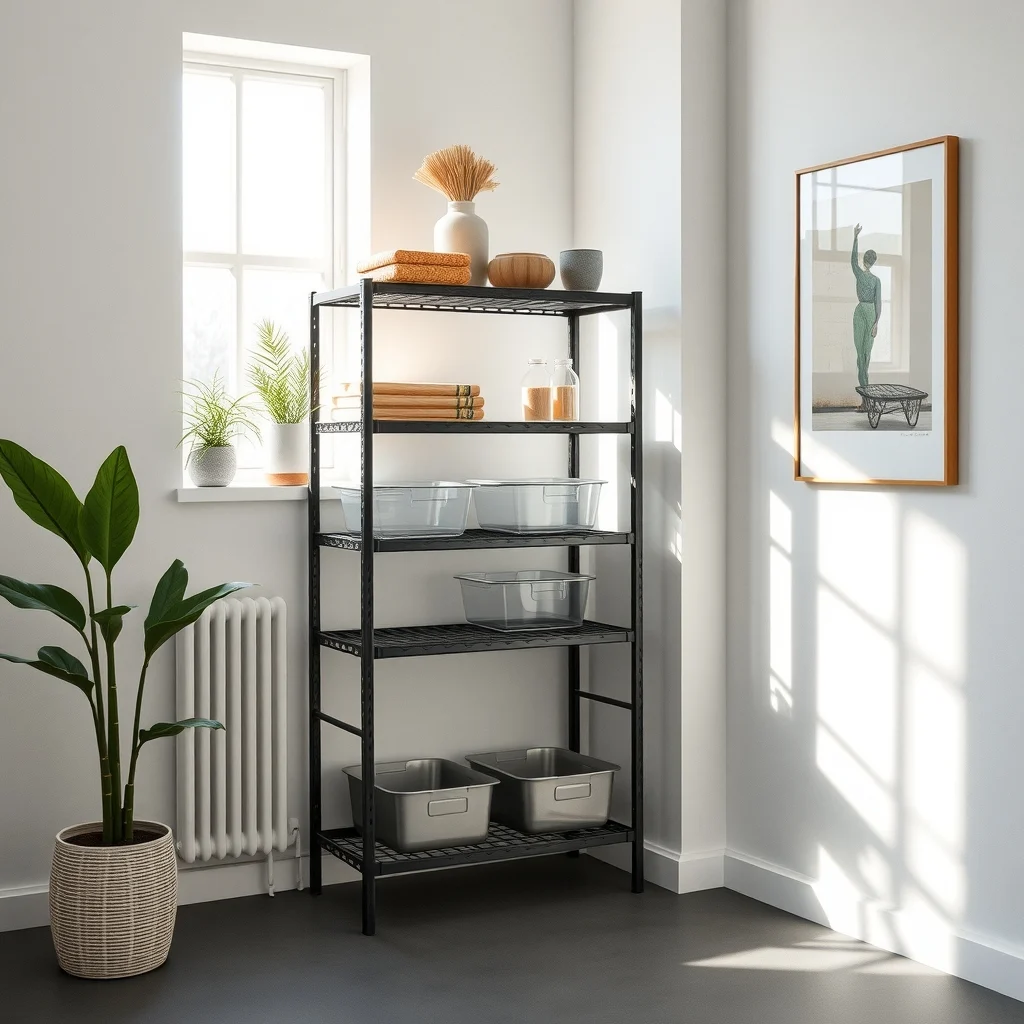
1. Stackable Clear Bins on a Freestanding Shelf
This image is by AI for inspiration only.
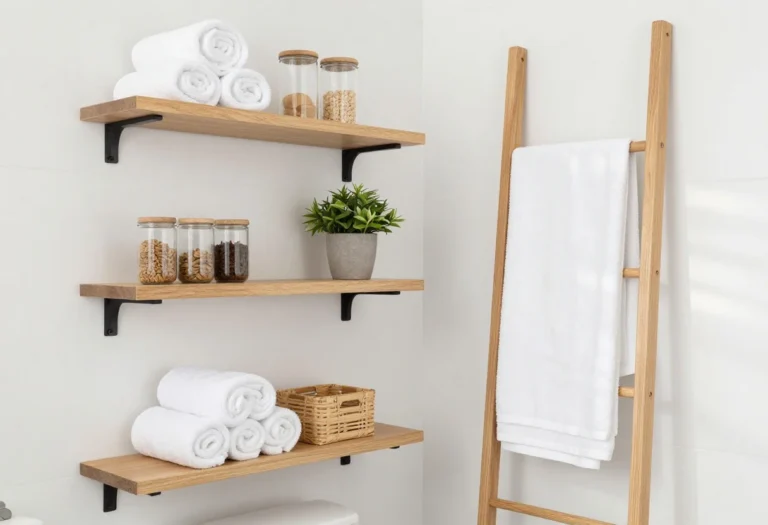
When floor space is at a premium, a narrow freestanding shelf can become the backbone of bulk storage. Choose a metal or powder‑coated steel unit with two or three adjustable shelves; the vertical orientation lets you stack clear plastic bins that reveal their contents at a glance. Clear bins encourage you to rotate stock before it expires, and the uniform shape creates a clean line that feels intentional rather than improvised. Because the shelf rests on the floor, it does not require drilling or mounting, keeping the landlord happy. The trade‑off is that the base takes up a small footprint, so position it near a wall that already sees traffic, such as beside the refrigerator, to make the most of otherwise idle space.
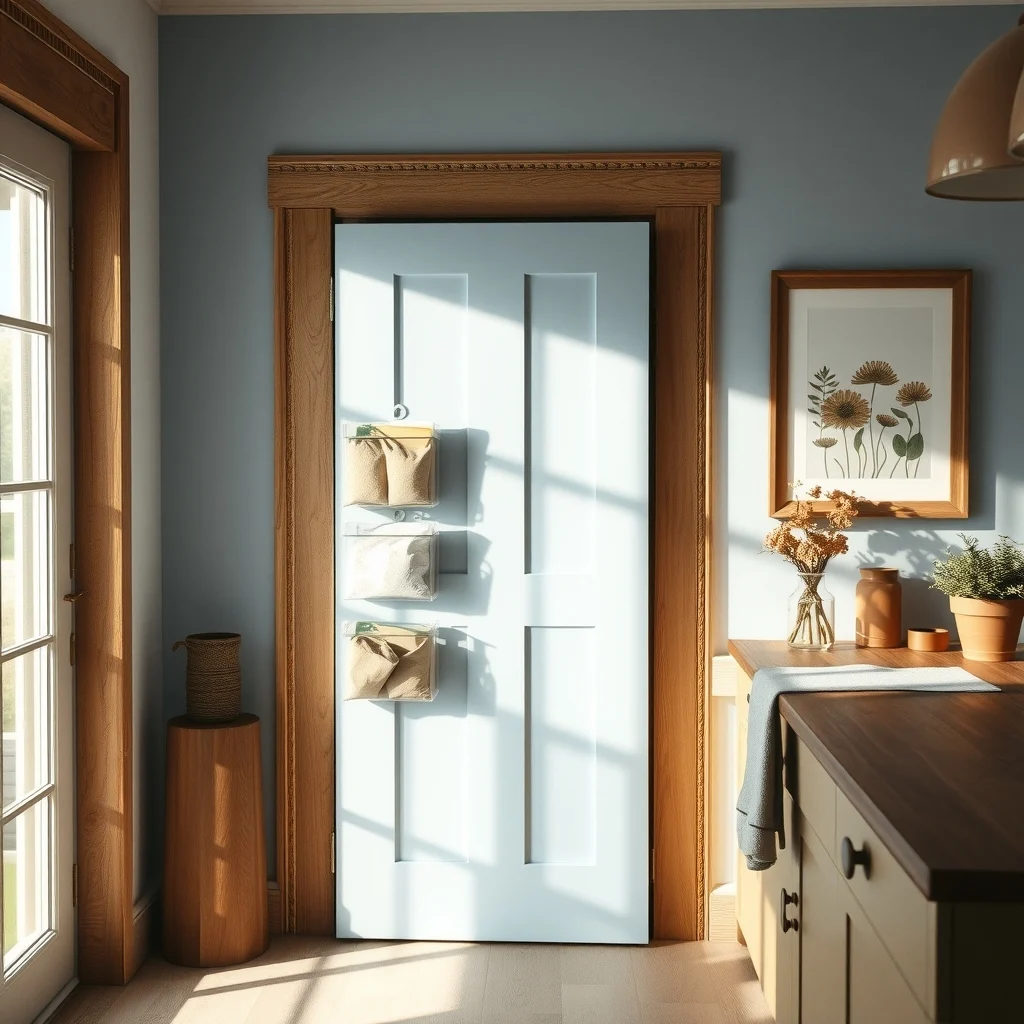
2. Over‑Door Hanging Organizers for Light‑Weight Goods
This image is by AI for inspiration only.
A pantry door or the kitchen entry door offers an often‑overlooked vertical plane. An over‑door organizer with clear pockets can hold bags of rice, flour, or snack bars, keeping them out of the way while still visible. The fabric or canvas material folds neatly when not in use, and the hooks attach without screws—many models use tension or adhesive strips that leave no marks. This solution works best for items that are not too heavy; a full sack of potatoes would stretch the fabric and risk tearing. For heavier goods, limit the organizer to smaller packages and pair it with a sturdier shelf elsewhere.
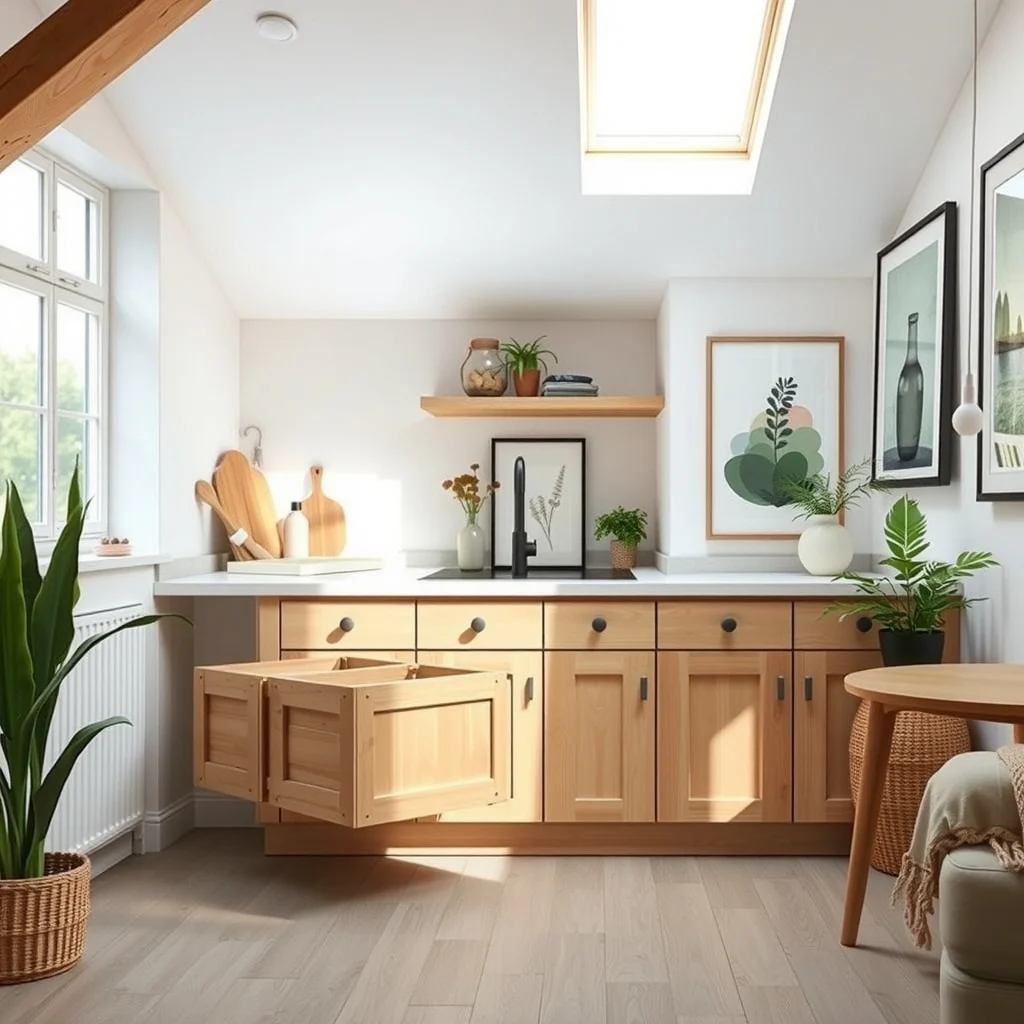
3. Pull‑Out Drawers Made from Repurposed Crates
This image is by AI for inspiration only.
Old wooden crates, often found at flea markets or thrift stores, can be transformed into pull‑out drawers that slide beneath the countertop or inside a narrow alcove. Sand the surfaces, apply a light sealant, and attach simple drawer slides with a few screws—if the lease permits, you can use removable adhesive strips for the hardware. The natural grain of the wood adds warmth to a kitchen that might otherwise feel sterile, while the drawer depth accommodates bulk bags that would otherwise stick out of a cabinet. Because the crates are portable, you can relocate them to a new apartment without hassle. The main limitation is the need for a shallow recess; if the floor plan lacks a suitable niche, the crates can still sit on the floor but will occupy more horizontal space.
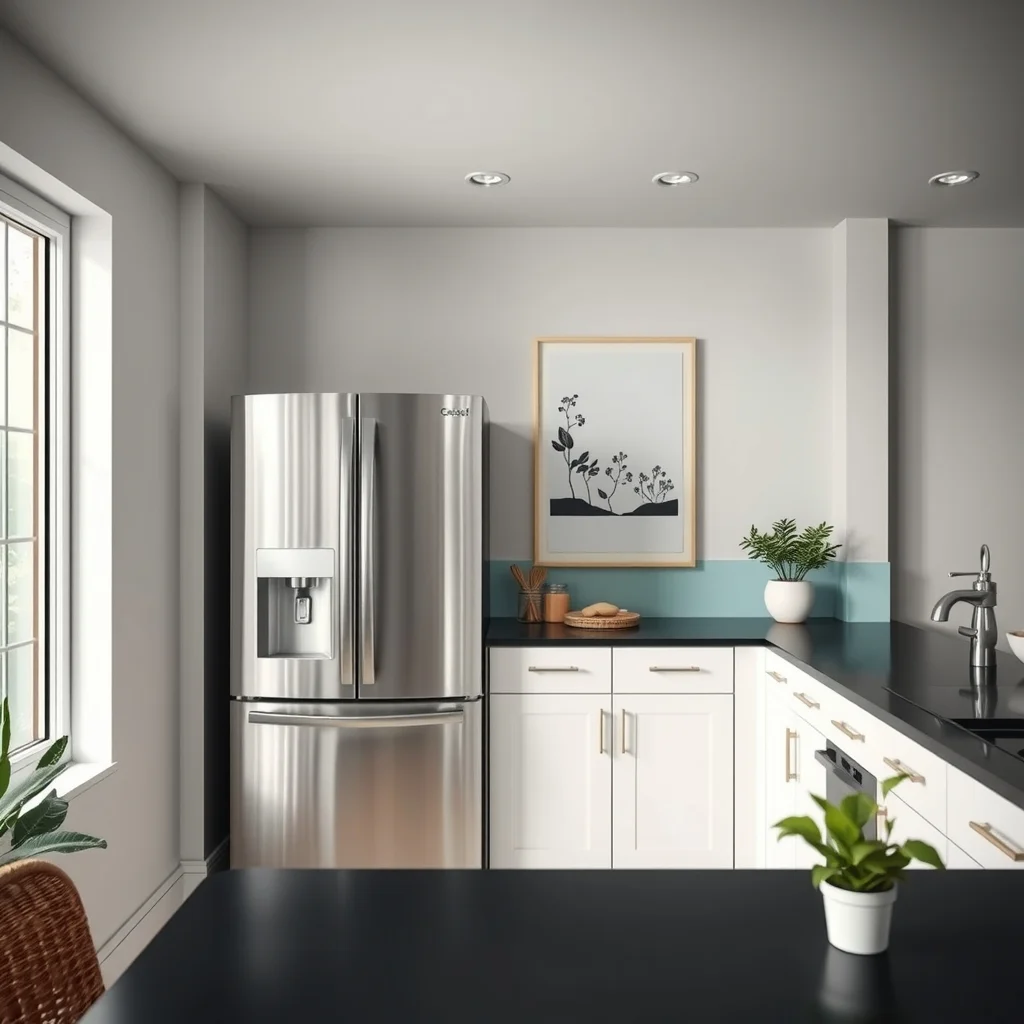
4. Magnetic Spice Racks for Small Bulk Packages
This image is by AI for inspiration only.
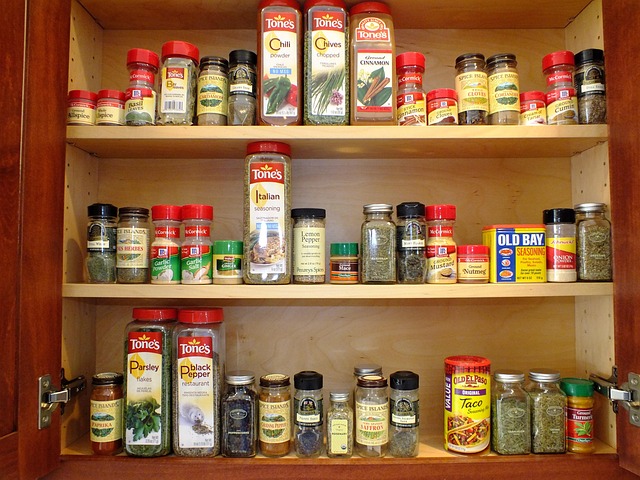
Many bulk purchases come in small, resealable packets—think dried herbs, tea bags, or seasoning mixes. A magnetic spice rack mounted on the side of a refrigerator or a metal backsplash provides a discreet home for these items. The rack’s metal surface holds the containers securely, and the magnetic backing eliminates the need for drilling. By clustering these packets, you free up cabinet shelves for larger items and create a visually appealing, organized cluster that looks intentional. The downside is that magnetic strength varies; very heavy jars may slip, so reserve this method for lightweight packages.
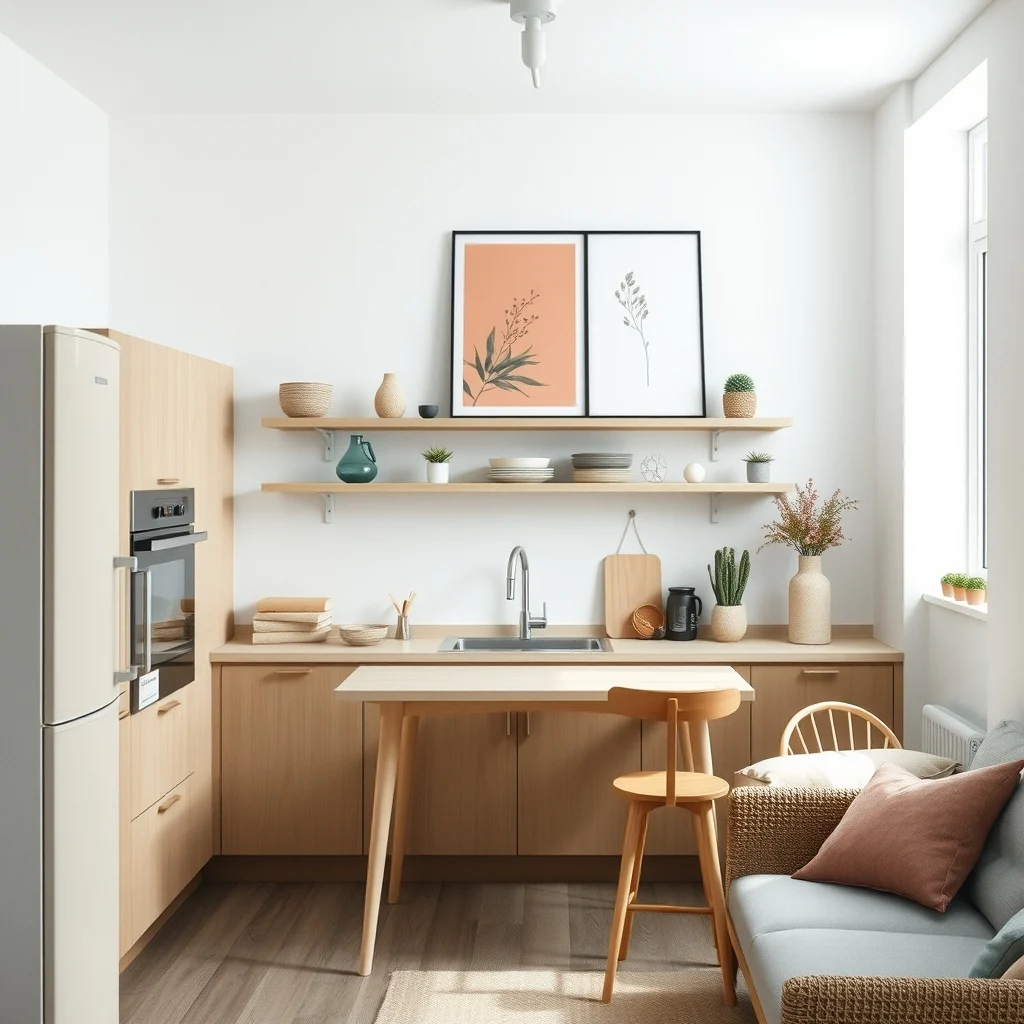
5. Tiered Rolling Cart with Fabric Bins
This image is by AI for inspiration only.
A rolling cart on wheels adds mobility and a tiered layout that maximizes vertical storage. Choose a cart with a sturdy metal frame and a top shelf that can hold a basket of produce, while lower tiers accommodate clear fabric bins for canned goods or bulk cereals. The wheels let you pull the cart into the dining area when entertaining, then tuck it back against a wall when not in use. Fabric bins are lightweight and can be folded flat when empty, making the cart easy to move. The primary consideration is floor protection; softer wheels or felt pads prevent scratches on hardwood or laminate.
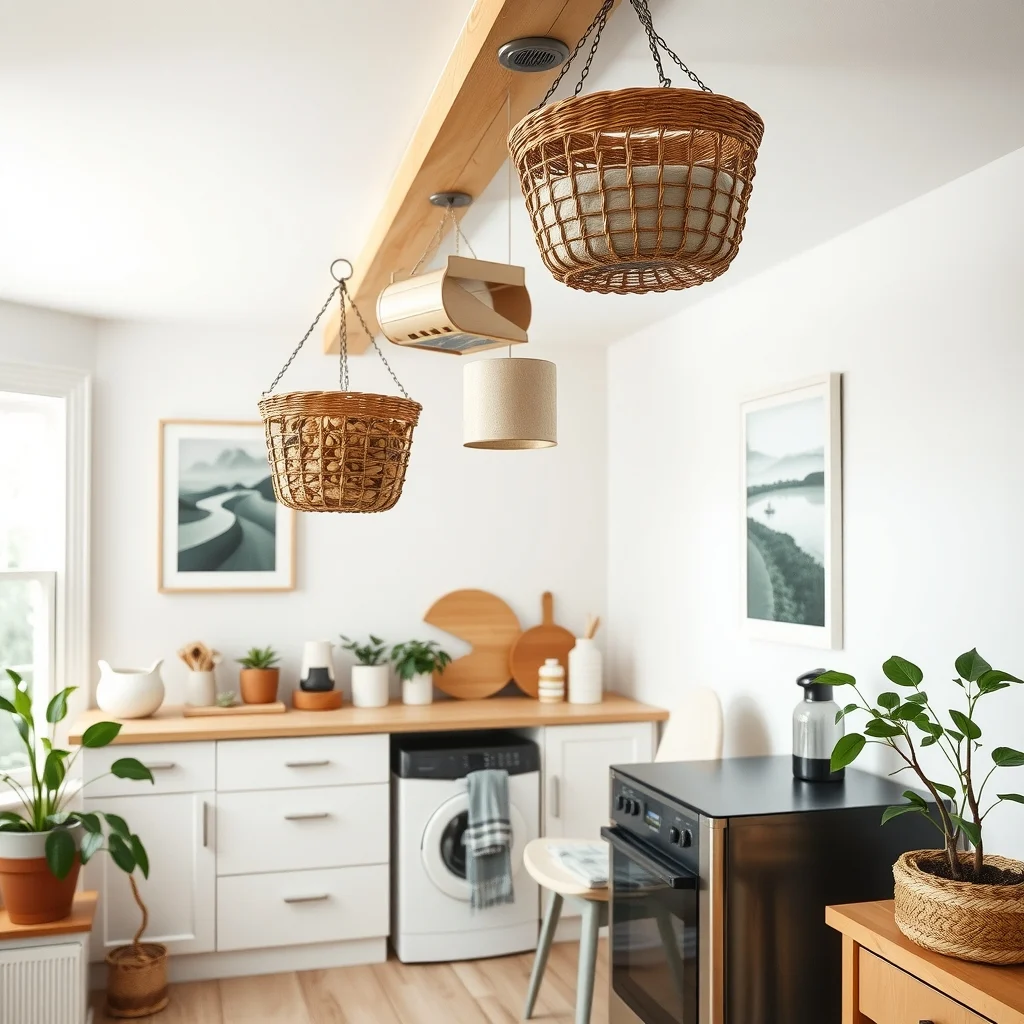
6. Ceiling‑Mounted Hanging Baskets for Non‑Perishables
This image is by AI for inspiration only.
If the kitchen has a sturdy ceiling beam or a decorative hook already installed, hanging baskets become an unexpected storage tier. Woven rattan or metal baskets can hold bags of beans, popcorn kernels, or dry pasta. The baskets keep items off countertops and add a casual, rustic texture that softens sleek appliances. Since the baskets are suspended, they do not interfere with floor traffic, and they can be taken down with a single hook when you move. The limitation lies in weight capacity; heavy sacks should be split between two baskets or stored elsewhere to avoid stressing the mounting point.
7. Customizable Sliding Panels on Existing Cabinet Doors
This image is by AI for inspiration only.
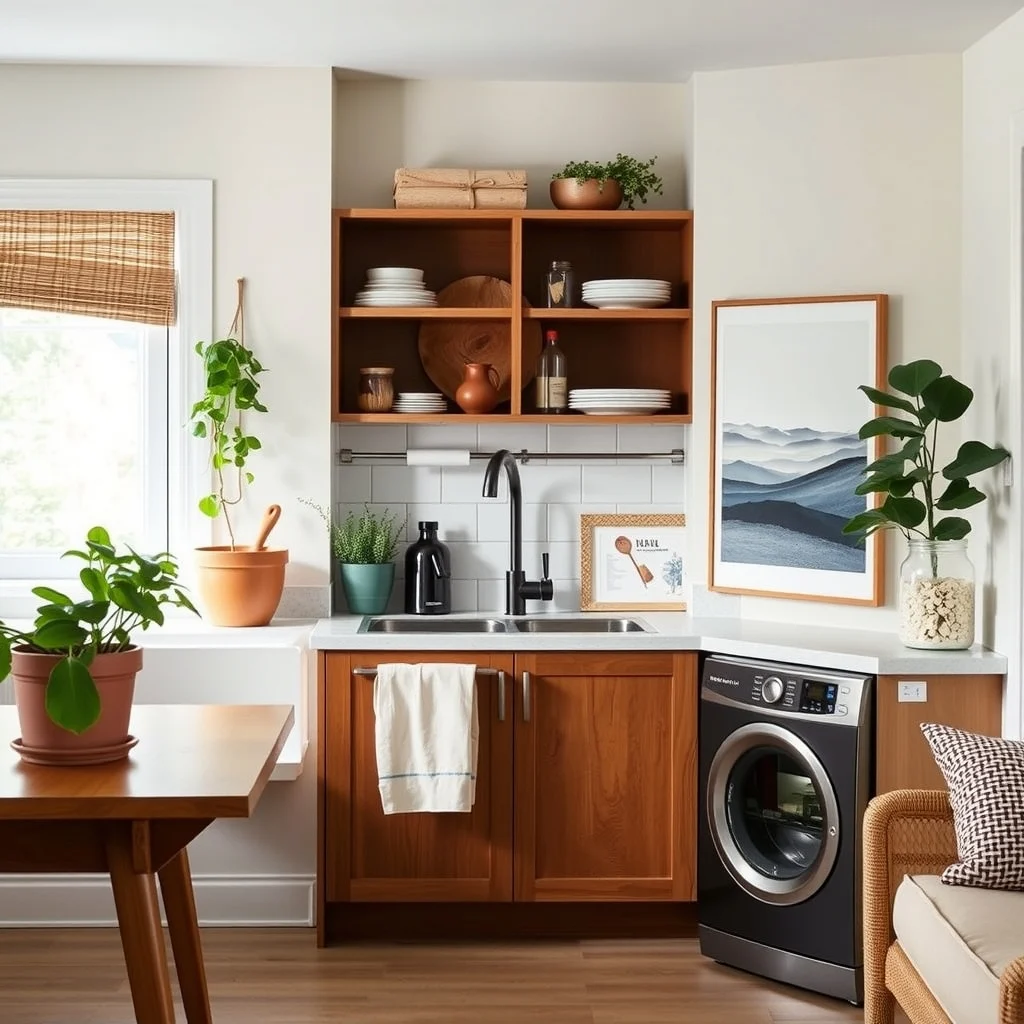
Many rentals feature cabinet doors with a flat surface that can accommodate adhesive hooks or magnetic strips. By attaching a thin, decorative panel—such as a reclaimed wood slice or a painted acrylic board—you create a shallow shelf that slides in front of the door. This hidden ledge can hold a few bulk containers, especially those with a flat base like large boxes of cereal or flour. Because the panel is attached with removable adhesive, it leaves no residue when removed. The approach works best when the cabinet door opens fully, allowing the panel to be accessed without obstruction. A potential drawback is limited depth; very deep containers will still protrude.
FAQ
How can I store bulk dry goods without drilling into the walls?
You can rely on freestanding shelves, over‑door organizers, and magnetic racks, all of which attach without permanent hardware. These options keep the walls untouched while still providing organized vertical storage.
What’s the best material for containers that need to be both clear and sturdy?
Heavy‑wall polypropylene containers combine clarity with durability, allowing you to see contents while resisting cracks from frequent handling. They are also lightweight enough for most shelving solutions.
Can I use a rolling cart in a small kitchen without making it feel cramped?
A compact cart with a narrow footprint and wheels can be tucked against a wall or under a counter when not needed. Choosing a cart with a tiered design maximizes storage without expanding the horizontal footprint.
Are there any fire‑safety concerns with hanging baskets from the ceiling?
Hanging baskets should hold only non‑flammable, dry items and be secured to a sturdy, fire‑rated mounting point. Avoid storing anything that could spark or melt near heat sources.
How often should I rotate bulk items to keep them fresh?
Adopt a first‑in, first‑out routine: place new purchases behind older ones, and label containers with purchase dates if the packaging isn’t clear. Checking the stock monthly helps prevent spoilage.
Final Thoughts
This image is by AI for inspiration only.
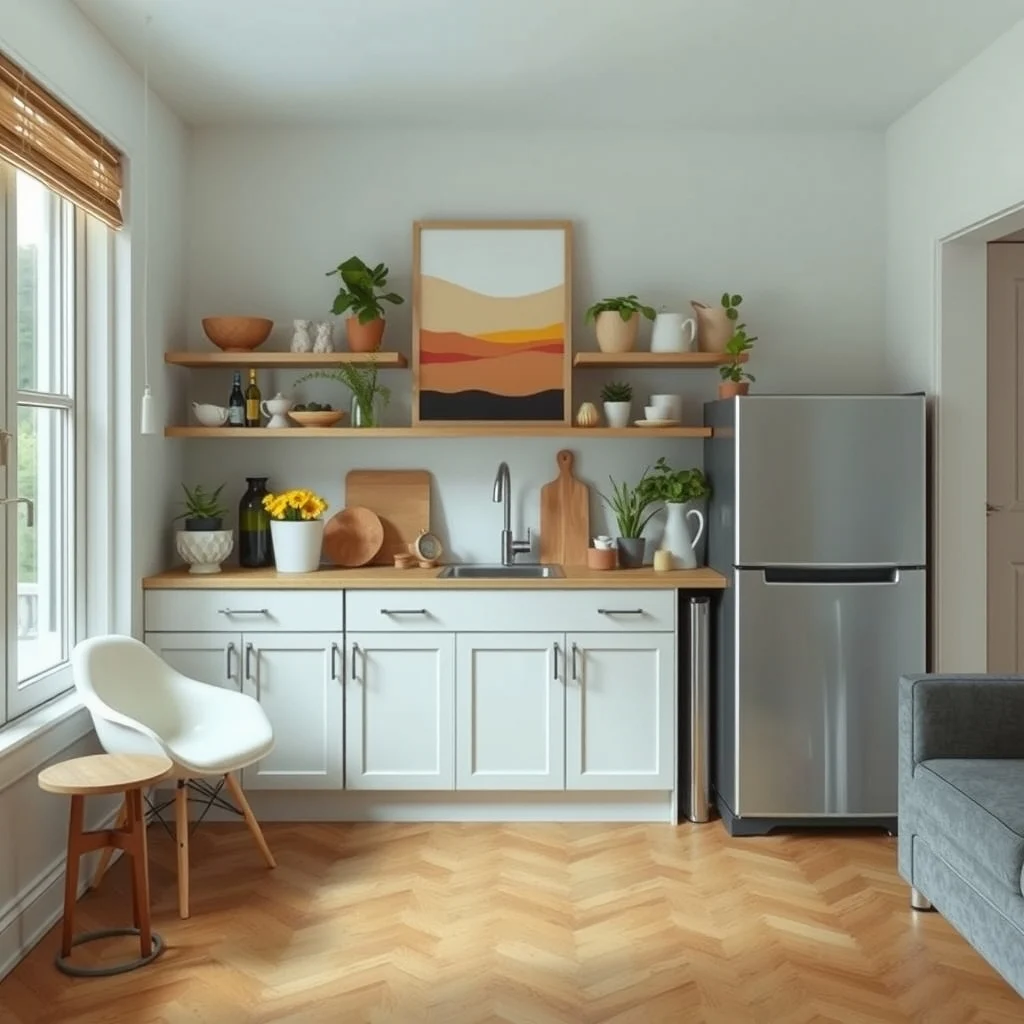
Finding room for bulk groceries in a rental doesn’t require major renovations; it calls for clever use of vertical space, portable units, and reversible fixtures. By selecting solutions that respect lease agreements and adapt to changing layouts, you can keep pantry staples organized, visible, and ready for use. The key is to balance aesthetics with practicality—clear containers for quick identification, sturdy but lightweight frames for mobility, and a touch of texture to make the storage feel intentional. With these ideas, your small kitchen can accommodate larger grocery runs without feeling overcrowded, and you’ll be prepared for the next move with storage that travels as easily as you do.