How to Store Spices in a Kitchen With Almost No Counter Space

When the countertop is already crowded with a coffee maker, a toaster, and a stack of cookbooks, finding room for a spice collection can feel impossible. Yet a well‑organized spice setup not only saves time during meal prep, it also protects the delicate flavors from light and humidity. Below are seven practical ways to tuck your herbs and seasonings into the nooks and crannies of a tight kitchen, followed by common questions and a short wrap‑up.
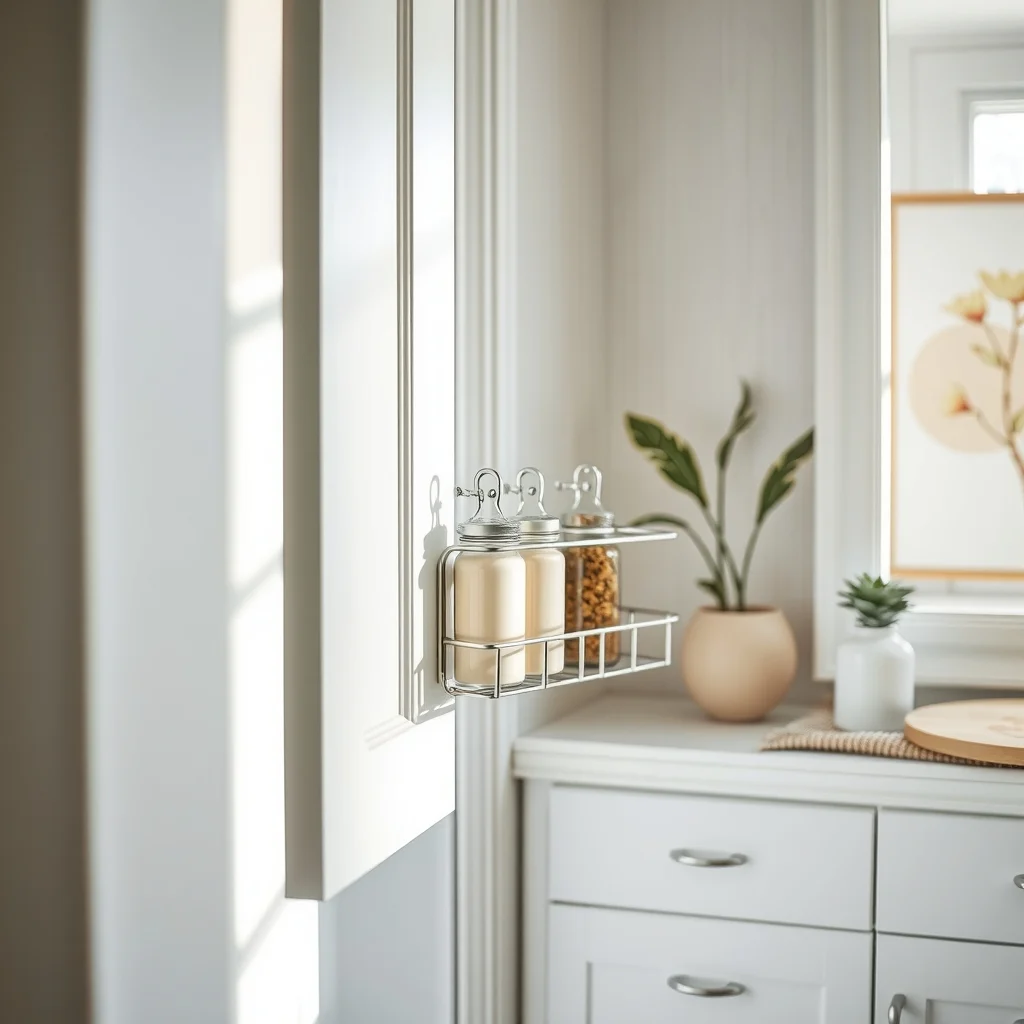
1. Turn Cabinet Door Interiors into Spice Shelves
This image is by AI for inspiration only.
Opening a cabinet door reveals a flat surface that is often ignored. By attaching a thin, pre‑drilled rack or a set of adhesive metal strips to the inside, you create a discreet shelf that holds small jars without protruding into the workspace. The advantage is twofold: the jars are kept out of sight, and the door’s interior protects them from kitchen steam. Choose jars with clear glass so you can still read labels, and consider a light‑colored interior paint to reduce glare that might fade the spices. One trade‑off is that the door must be opened to reach the jars, which can be slightly slower than a countertop layout, but the space saved is usually worth the extra step.
2. Hang Magnetic Spice Containers on a Metal Backsplash

This image is by AI for inspiration only.
A magnetic strip adhered to a stainless‑steel or tiled backsplash becomes a sleek vertical gallery for spice tins. Magnetic tins snap on quickly, allowing you to arrange them by cuisine, frequency of use, or color. The open‑air display keeps the jars easy to grab while the backsplash itself resists heat and moisture, extending the life of the spices. If you prefer a softer aesthetic, paint the strip a muted sage or warm greige that blends with the surrounding tiles. The main limitation is that the magnetic system works only with metal‑compatible containers; glass jars need a small metal lid or a separate magnetic holder.
3. Install a Narrow Pull‑Out Drawer in a Base Cabinet
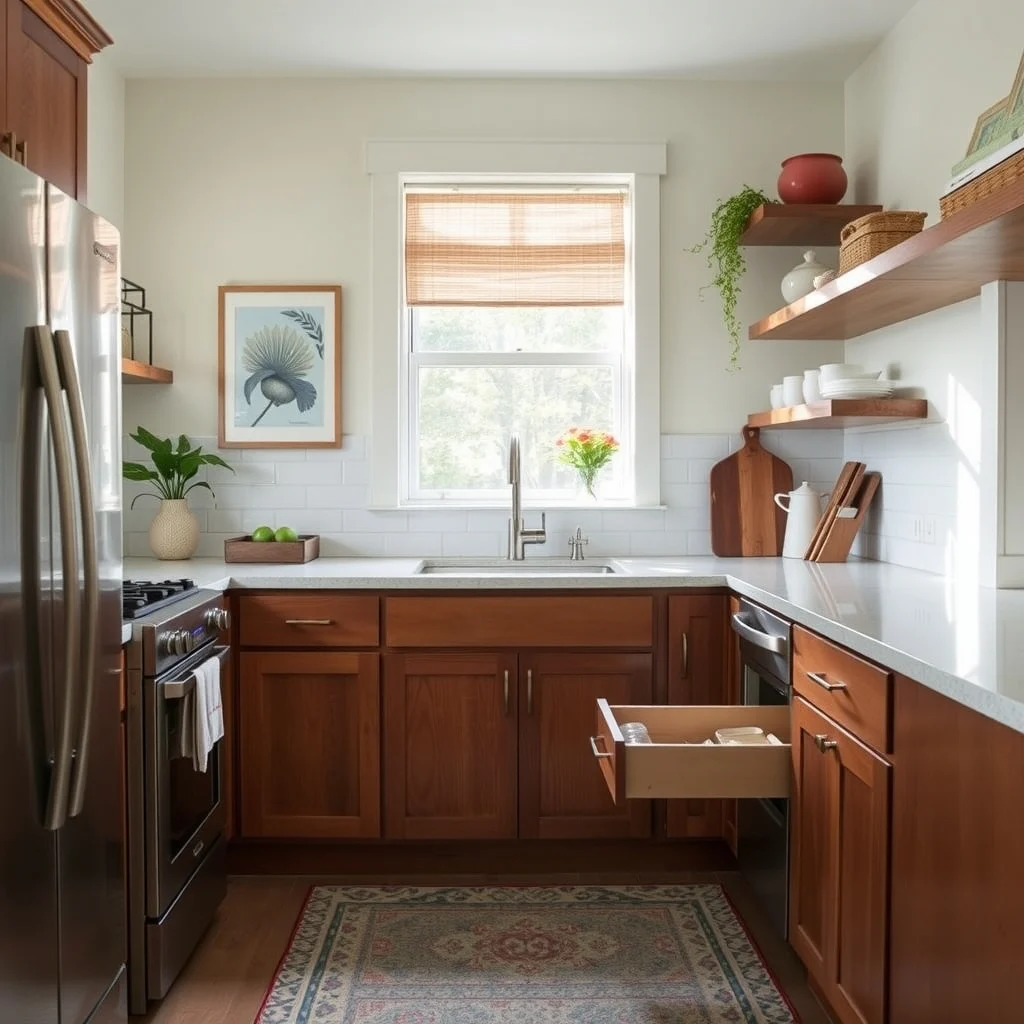
This image is by AI for inspiration only.
Many base cabinets have a few inches of unused depth beside the sink or dishwasher. A custom‑cut, shallow drawer slides in that space, offering a hidden compartment that slides out like a secret drawer. Inside, you can line the bottom with a non‑slip mat and place uniform spice jars so they stay upright. Because the drawer is enclosed, it shields the contents from humidity that rises from the sink area. The installation requires a basic drill and a simple slide mechanism, which most DIY‑savvy readers can handle. However, the drawer’s width is limited, so it works best for a curated selection of essential spices rather than a massive collection.
4. Use a Tiered Carousel That Fits a Pantry Corner
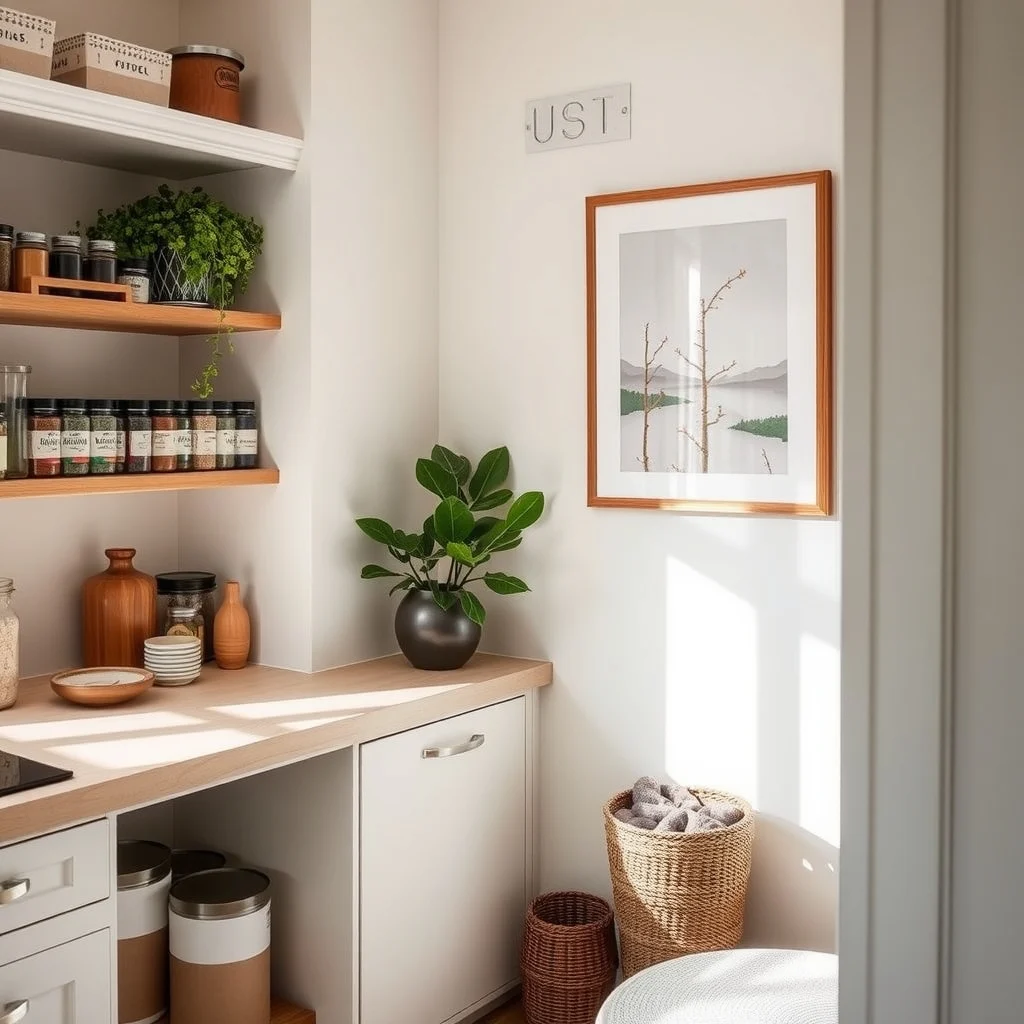
This image is by AI for inspiration only.
A compact, rotating spice carousel—often made of bamboo or brushed metal—can nestle into the corner of a narrow pantry or a slim closet. The tiered design lets you see every label at a glance while keeping the jars upright and accessible. Bamboo adds a warm texture that complements natural wood cabinets, and the rotating base reduces the need to reach deep into a confined space. The carousel’s footprint is small, but it does require a minimum floor space of about twelve inches square. If your pantry is tighter than that, consider a single‑tier rack instead.
5. Mount a Slim Vertical Rack on the Side of the Refrigerator
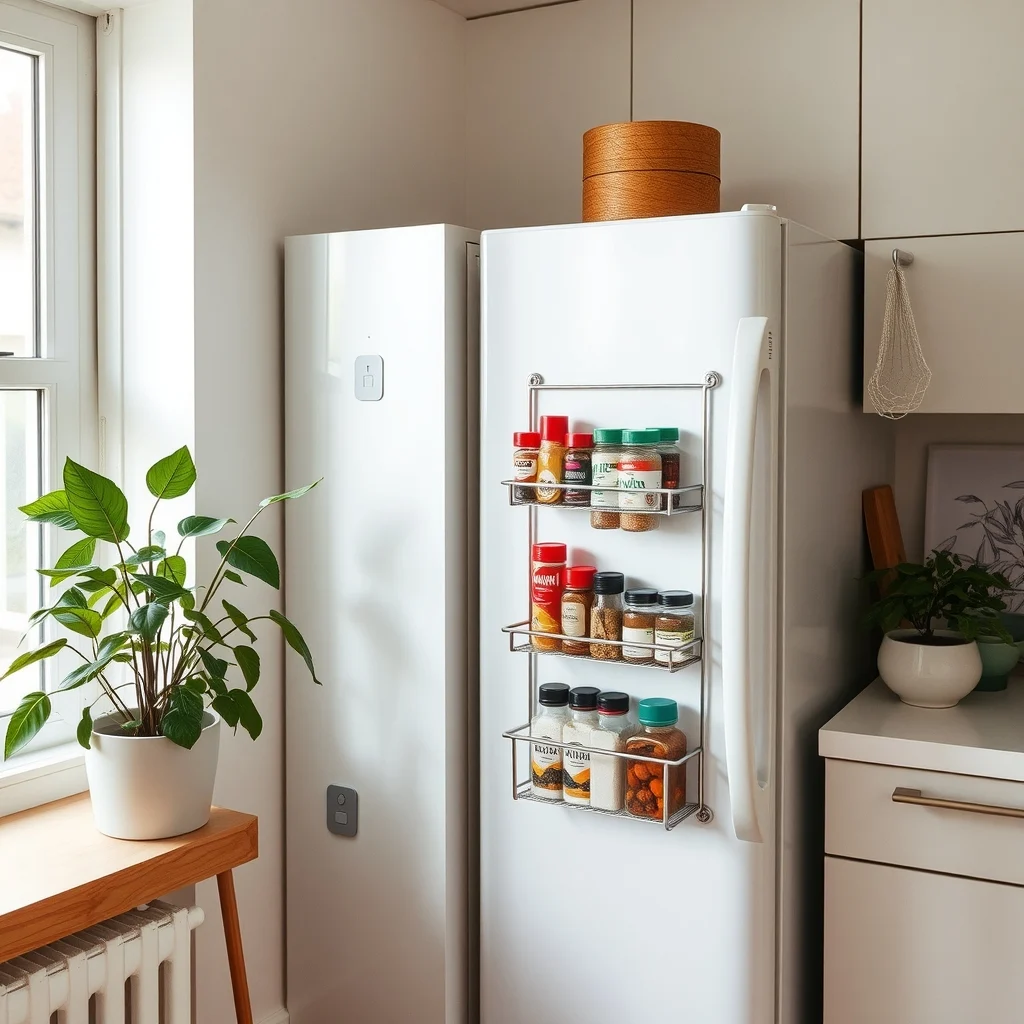
This image is by AI for inspiration only.
The side of a refrigerator is often overlooked, yet it presents a vertical plane that can hold a thin, metal or acrylic rack. By securing the rack with strong adhesive pads or a few discreet screws, you create a standing shelf that accommodates slim spice bottles. The cool temperature of the appliance helps maintain a stable environment for the spices, especially those that degrade quickly in heat. Pair the rack with matte‑black jars for a modern contrast against a stainless surface. The downside is that the rack is exposed to frequent opening of the fridge door, which can cause occasional temperature fluctuations.
6. Hang a Decorative Basket from a Wall Hook
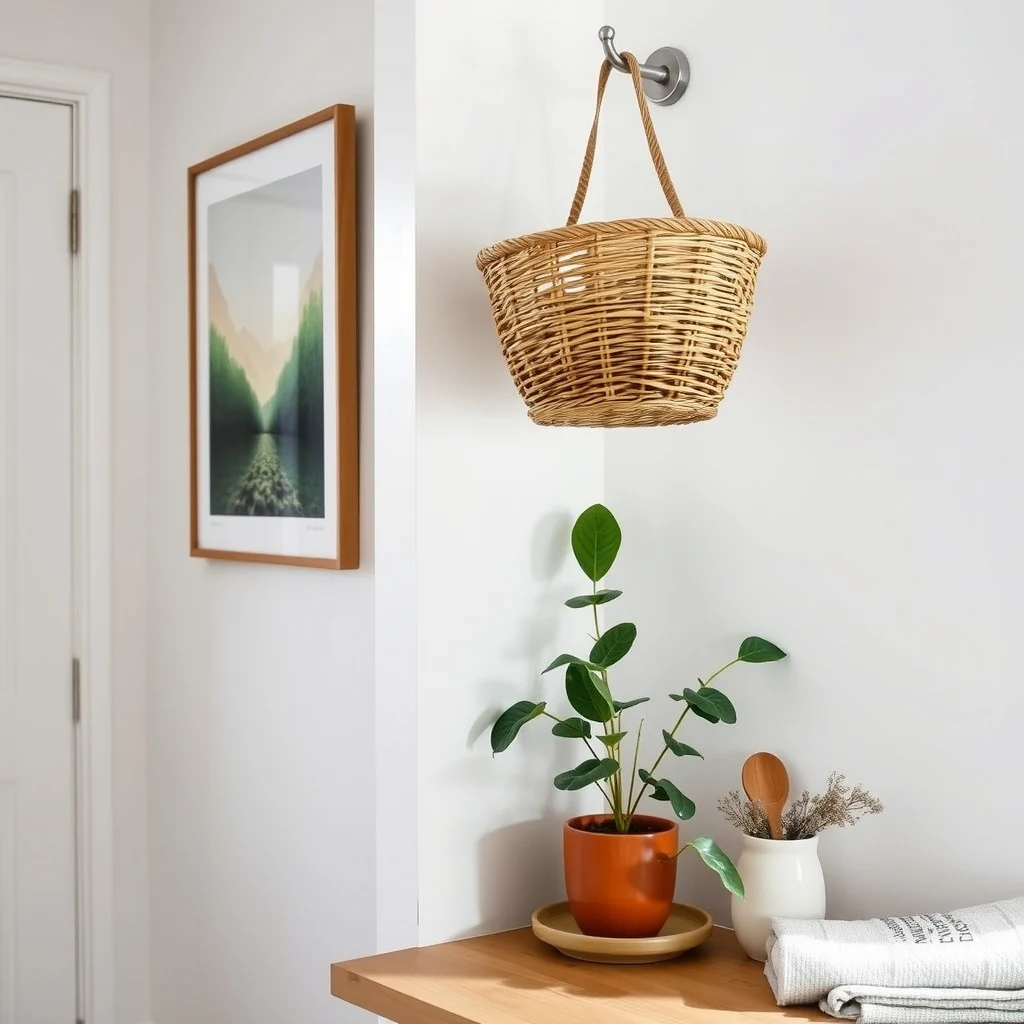
This image is by AI for inspiration only.
A woven basket made of seagrass or wicker can be suspended from a sturdy wall hook positioned near the cooking zone. The basket’s open weave provides ventilation, preventing moisture buildup, while the natural material adds texture that softens the hard lines of countertops and cabinets. Inside the basket, you can nest small, uniform tins or glass jars that stay organized without needing a rigid frame. This solution is especially appealing in kitchens that favor a rustic or coastal vibe. One consideration is that the basket must be anchored securely; a poorly fixed hook could cause the basket to swing and spill its contents.
7. Convert a Small Rolling Cart into a Mobile Spice Station
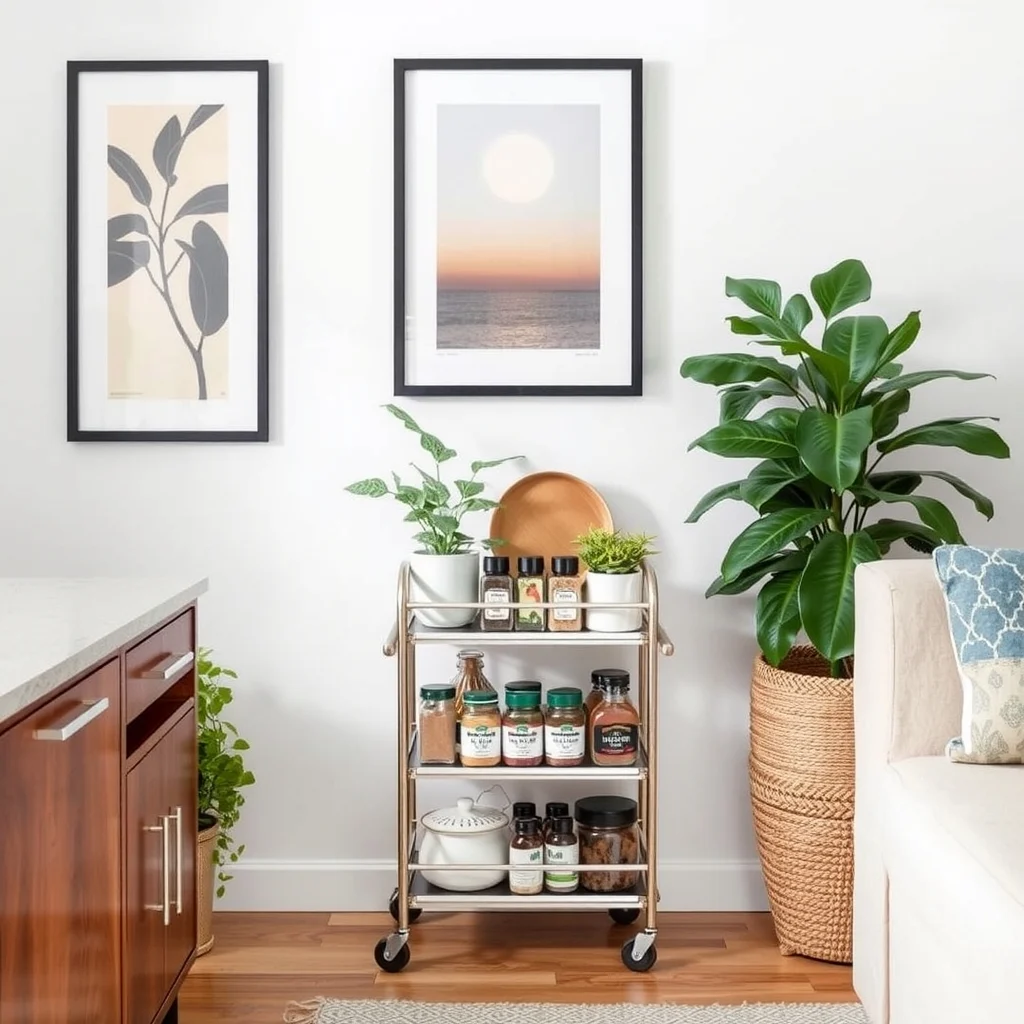
This image is by AI for inspiration only.
A narrow, three‑tier rolling cart—often found in office supply aisles—can be repurposed as a movable spice hub. By adding a thin sheet of cork or a magnetic board to the top tier, you create a surface for magnetic spice tins or small jars. The lower tiers can hold larger containers, a small cutting board, or a portable blender, making the cart a multi‑function helper during meal prep. The wheels allow you to pull the cart out when you need it and tuck it away against a wall or inside a pantry when not in use. The main trade‑off is that the cart occupies floor space, which may be limited in very small kitchens, but its mobility often offsets that concern.
FAQ
This image is by AI for inspiration only.
How can I keep spices fresh without a dedicated pantry?
Store spices in airtight glass jars with tight‑fitting lids and keep them away from direct sunlight. A dark cabinet door or a magnetic strip on a backsplash provides the low‑light environment they need.
Are magnetic spice tins safe for the kitchen environment?
Yes, magnetic tins are typically made of stainless steel, which resists rust and can handle the occasional splash of water. Just be sure the magnetic backing is strong enough to hold the weight of the filled jar.
What is the best way to label jars when they are hidden behind cabinet doors?
Use a small label maker or write on self‑adhesive tags that can be placed on the front of the jar. For extra visibility, choose a light‑colored label that contrasts with the glass.
Can I use wooden spice racks in a humid kitchen?
Wood can warp if exposed to excessive moisture, so it’s best to treat the wood with a clear sealant and keep the rack in a dry cabinet or on a wall that does not get steam directly.
Is it worth investing in a spice carousel if I have limited space?
A compact carousel works well when you have a modest collection and a corner that can accommodate its footprint. If space is tighter, a single‑tier rack or magnetic strip may be more practical.
Final Thoughts
This image is by AI for inspiration only.
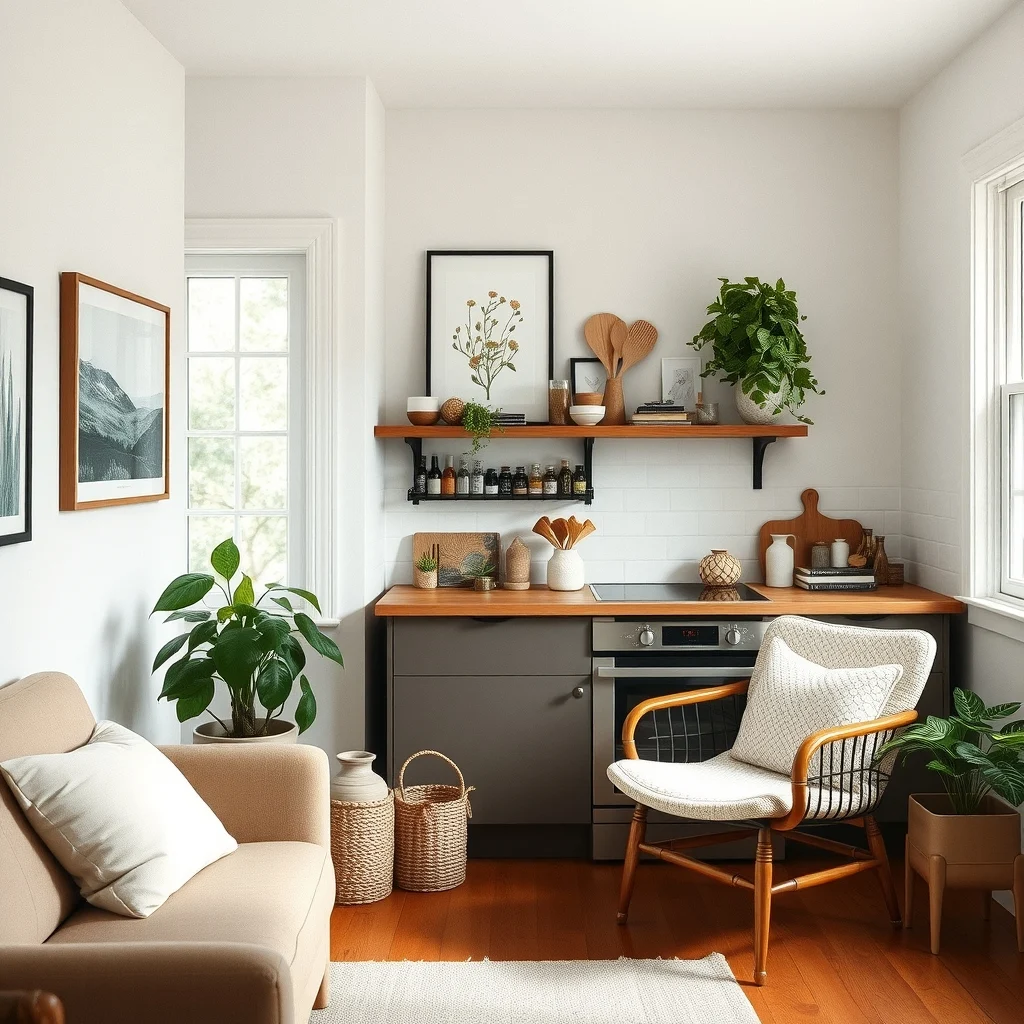
Even the most cramped kitchen can accommodate a functional spice system with a little imagination and strategic use of vertical space. By turning cabinet interiors into hidden shelves, leveraging magnetic surfaces, and repurposing small furniture pieces, you keep flavors within reach without sacrificing precious countertop real estate. Choose the method that aligns with your kitchen’s style, the size of your collection, and how often you cook, and you’ll find that a tidy spice arrangement not only streamlines meal preparation but also adds a subtle touch of organization to the heart of your home.