
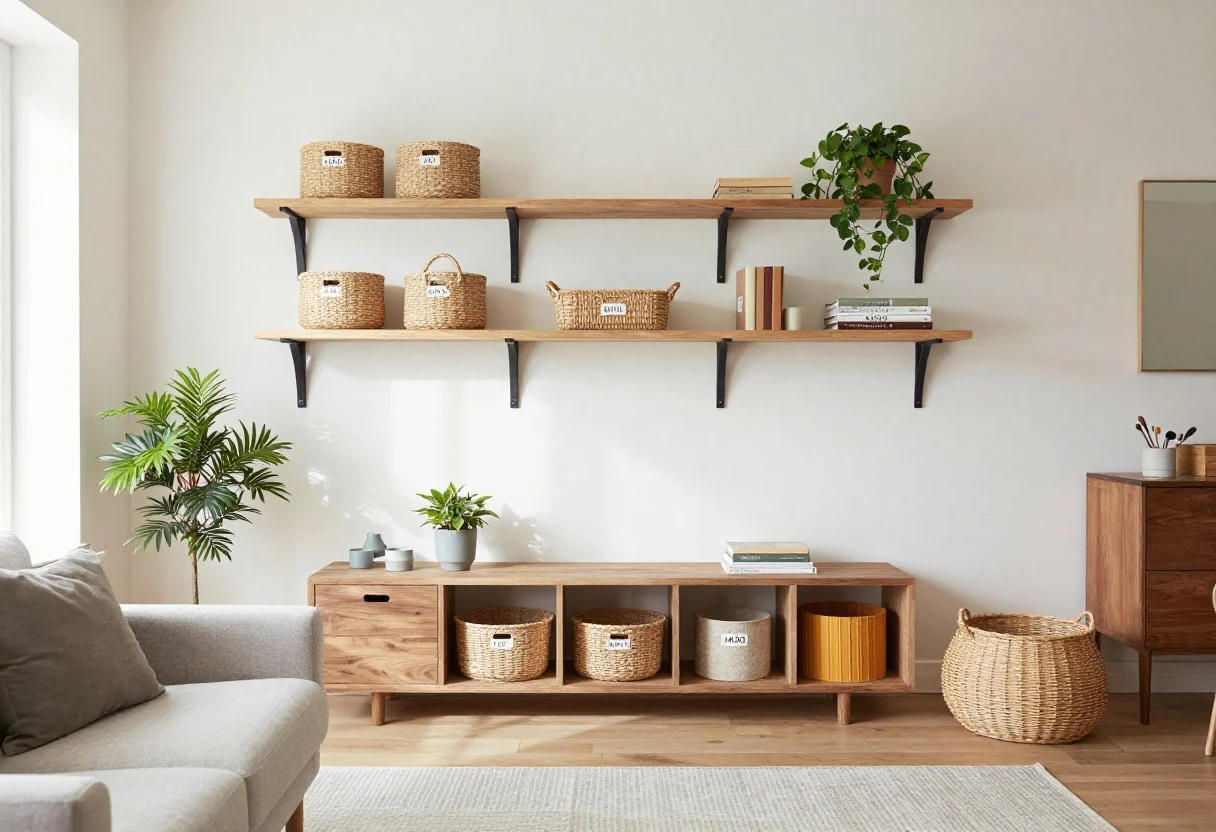
Adhd Home Frameworks That Made My House Work Long-term (and Look Amazing)

I used to think a “beautiful home” meant shelves of decor and matching everything. Then I realized my brain needs homes for things, not just pretty things. These seven room designs balance style with systems—so stuff is easy to see, easy to grab, and easy to put away.
Consider this your friendly tour. We’re talking full looks: colors, furniture, lighting, and the subtle design rules that keep ADHD brains (hi!) calm and functional long-term.
1. The Calm-Start Entry: Slate, Brass, and See-Through Bins
This image is by AI for inspiration only.
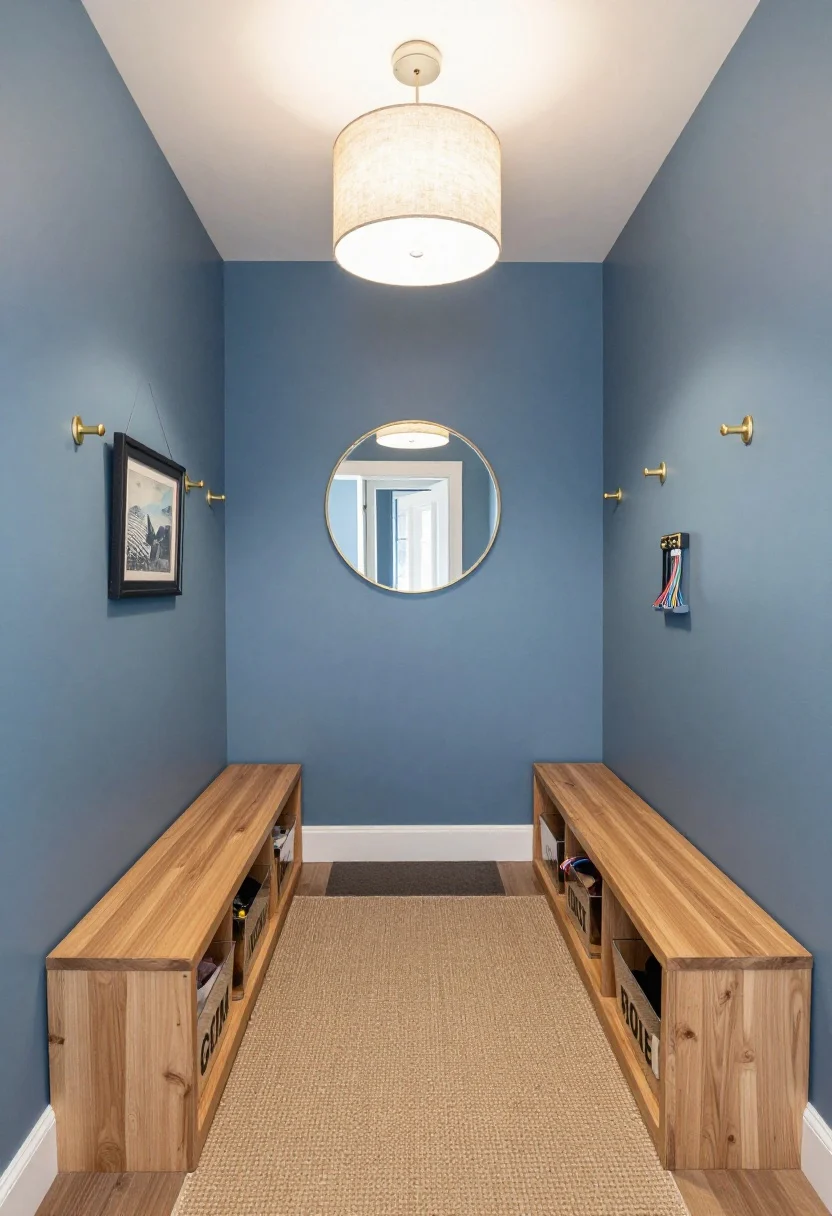
This foyer is basically a launchpad. The palette is slate blue walls, warm oak bench, and brushed brass hooks for a hint of luxe. A low runner rug in a tight weave hides dirt and visually anchors the zone.
The star is a cubby console with clear acrylic baskets—one per person. Labels are bold and high-contrast. Shoes slide into open cubbies (no lids, no excuses). Keys live on a magnetic strip behind a small framed art piece that swings open like a secret door.
- Mirror: Round, 30 inches, thin brass frame to bounce light and signal “check out before you go.”
- Lighting: A semi-flush linen drum shade—soft diffusion that’s bright enough to spot sunglasses.
- Color trick: Darker floor mat, lighter wall. It creates calm boundaries and guides where things land.
Pro move: A charging tray by the door with color-coded cords. Phones dock here at night, which ends the morning scramble.
2. The Focus-Forward Living Room: Layered Neutrals With a “Park-Your-Brain” Wall
This image is by AI for inspiration only.
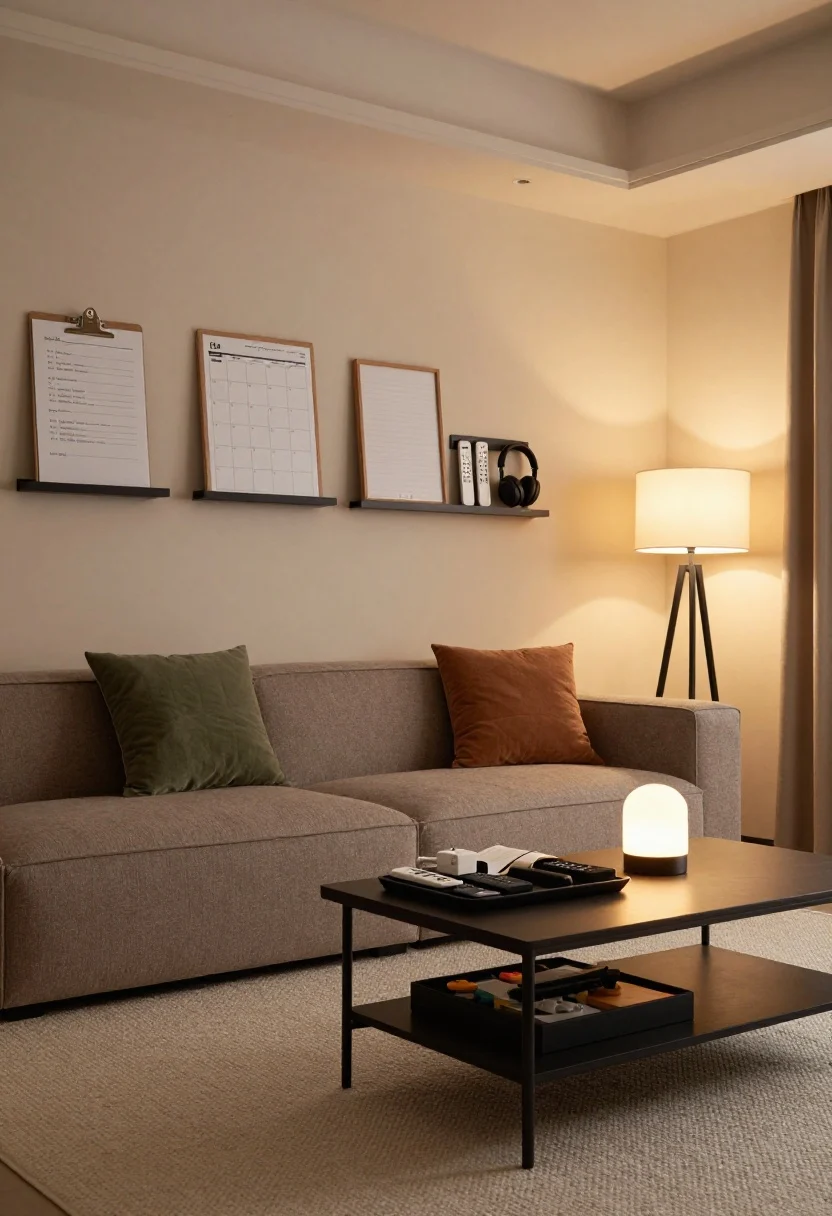
This living room is designed for both rest and quick resets. I started with a taupe sectional and textured cream rug to soften the space, plus black metal legs on the coffee table for structure. The vibe is warm-modern without visual noise.
One wall is the Action Center: a picture ledge trio (at eye level) holding clipboards with active lists, a weekly whiteboard in a wood frame, and a narrow peg rail for remotes and headphones. Everything has a landing spot you can see from the couch.
- Textiles: Two pillow colors max—moss green and clay—to steer clear of choice overload.
- Storage: A lidded ottoman for blankets and open rattan baskets under the media console for controllers and magazines.
- Lighting: A tripod floor lamp in matte black plus a smart bulb by the sofa for “wind-down” mode.
Pro move: A tray-on-tray system on the coffee table—one tray for remotes/charger, a second for fidgets and a book. It corrals clutter and lifts off when you need the table clear.
3. The Single-Task Kitchen: White + Wood With “One-Zone” Stations
This image is by AI for inspiration only.
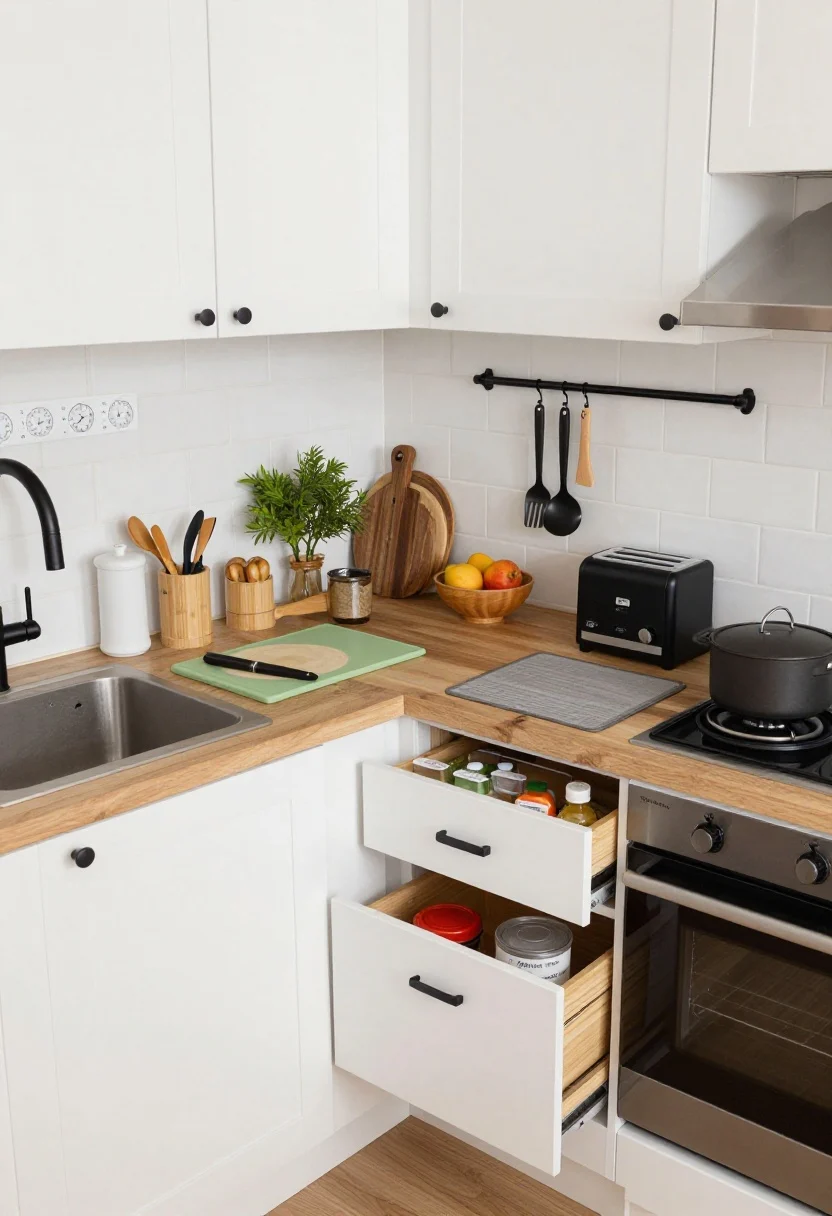
This kitchen is a study in boundaries. Cabinets are soft white, counters are warm butcher block, and hardware is matte black. The backsplash is simple white tile—clean and quiet. The rule is: don’t mix tasks at a station.
Zones are color-coded and labeled: green boards for produce at the left of the sink, wood boards for bread by the toaster, and a heat-safe mat by the stove for hot pans. Above each zone, floating shelves hold the exact tools you need—nothing extra.
- Open fridge strategy: Clear bins labeled “Lunch,” “Snacks,” “Leftovers.” Front row = today’s items.
- Drawer dividers: Swap catch-alls for slim bamboo organizers; one category per slot.
- Counter decor: One plant, one crock for utensils, one fruit bowl—no crowding.
Pro move: A magnetic timer strip under the cabinet. Set a separate timer per pot so your brain isn’t juggling times in midair.
4. The Gentle Bedroom: Graphite, Linen, and Tactile Nightstands
This image is by AI for inspiration only.
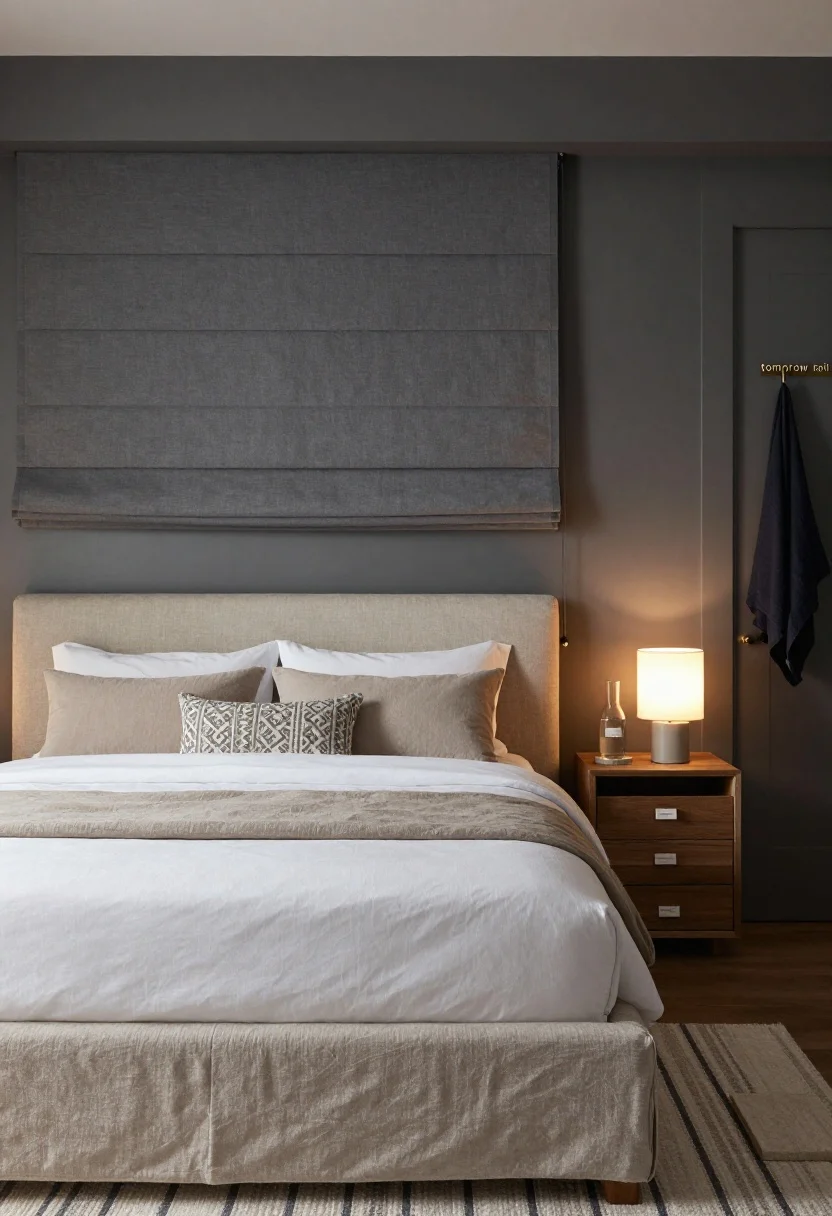
The sleep sanctuary is all about fewer decisions and soothing texture. Walls are graphite gray with a warm undertone so it feels cocoon-like, not cold. The bed is oak with a fabric headboard in oatmeal linen. Bedding is a strict palette: white percale sheets, taupe quilt, one patterned pillow max.
Each nightstand is a small three-drawer chest with labeled drawer inserts—sleep mask, chargers, meds. A soft-edge carafe sits on a stone coaster. Lamps are ceramic with dimmers, warm 2700K bulbs only.
- Closet cue: Black hangers for work, wood for casual—instant filter for morning decisions.
- Flooring: A wool-blend rug with a low pile, subtle stripe to ground the bed visually.
- Window treatment: Blackout Roman shades in flax with a hidden wand—simple, no cord tangles.
Pro move: A “tomorrow rail” behind the door—a narrow brass hook for the next-day outfit. Seeing it reduces morning indecision by half.
5. The Studio-Style Office: Two Desks, Two Modes, Zero Clutter Creep
This image is by AI for inspiration only.
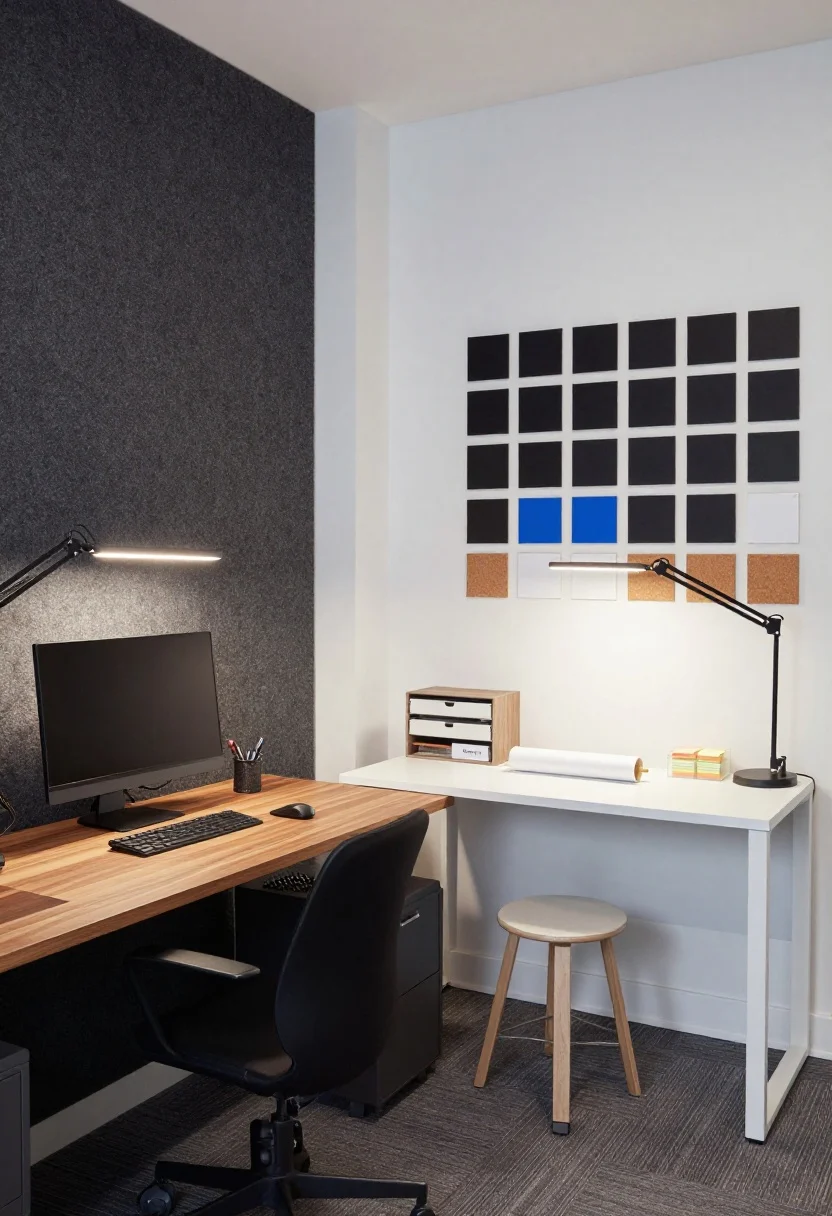
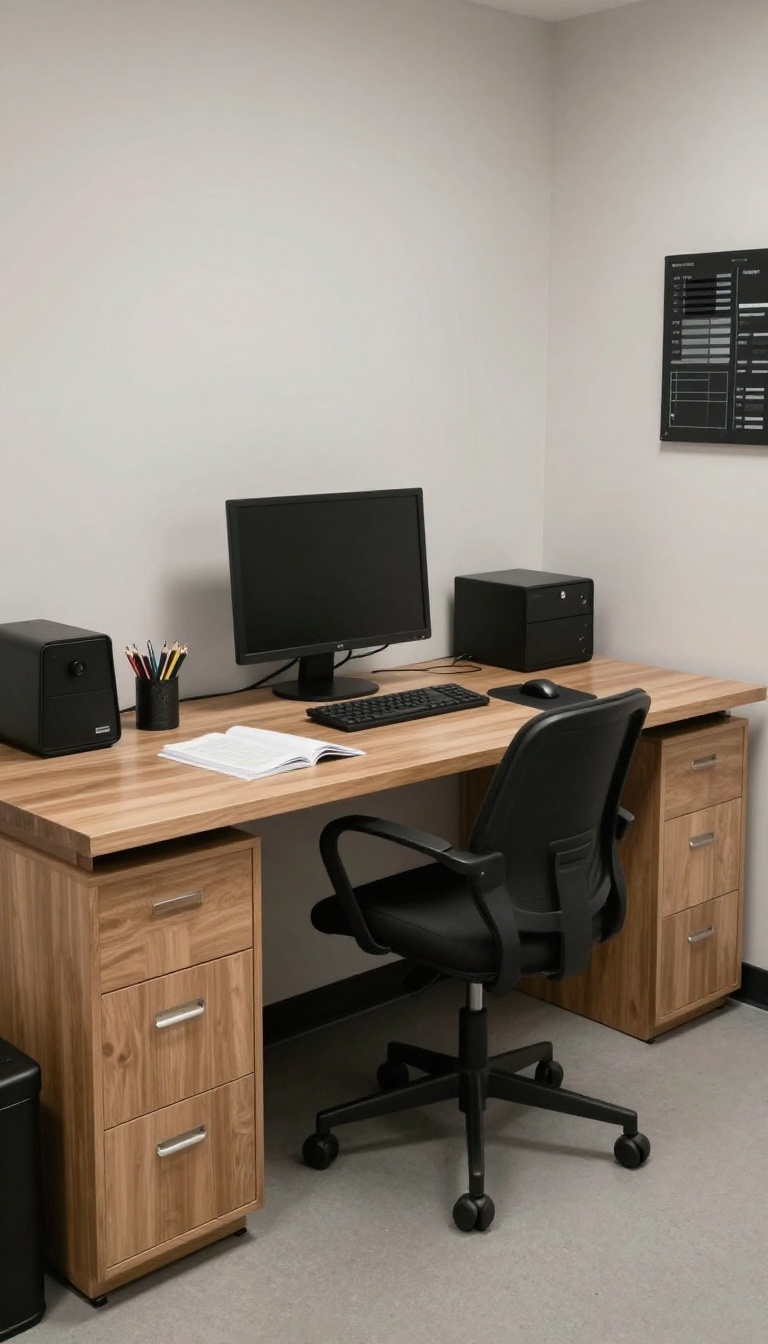
This office has a split personality on purpose. One side is the Focus Desk: a walnut surface, monitor arm, and a single pen cup. Nothing else. Behind it, a sound-dampening panel in charcoal felt absorbs visual and auditory chaos.
Across the room: the Ideas Desk. It’s a white laminate table with a paper roll on a dowel, clear bins for sticky notes, and a standing-only stool to keep brainstorming brief and kinetic. The wall gets cork squares in a grid for pinning mood boards.
- Color plan: Black/white/walnut base with one accent—cobalt file folders—so you can find them instantly.
- Storage: Two shallow drawer units with tabbed inserts; each tab is an active project, not a vague category.
- Lighting: Task lamp with a focused beam at the Focus Desk; diffused swing-arm above the Ideas Desk.
Pro move: A reset shelf by the door labeled “Return.” Anything that doesn’t belong here goes there first, then gets returned in one trip end-of-day. It stops clutter migration cold.
6. The Breezy Bathroom: Spa Surfaces With Open-Sight Storage
This image is by AI for inspiration only.
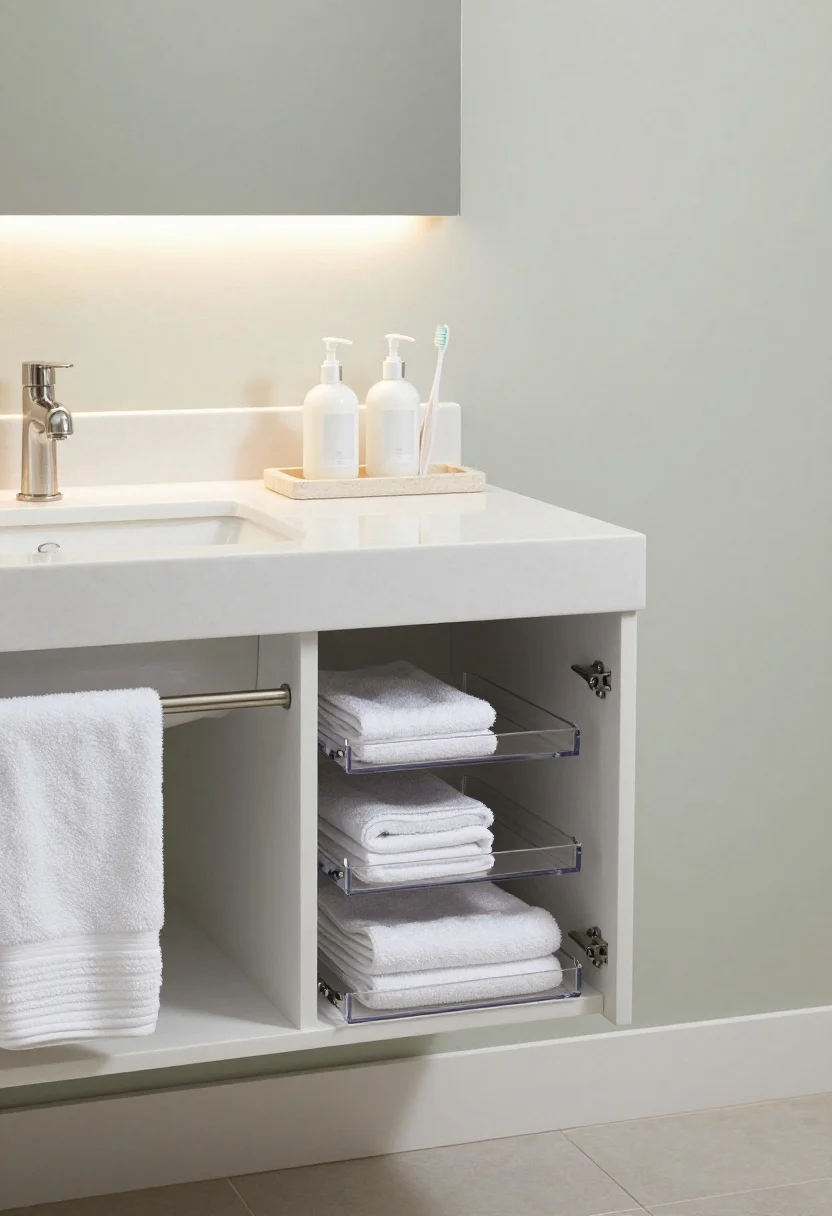
The bathroom aesthetic is serene but brutally practical. Think pale sage walls, white quartz vanity, and brushed nickel fixtures. I used a frameless medicine cabinet with interior lights so products are bright and legible.
On the counter, a stone tray holds only daily-use items—face wash, toothbrush, moisturizer—with matching pump bottles labeled in big type. Under the sink, clear drawers on rails keep everything viewable and dust-free.
- Towel strategy: Two colors only—white for body, gray for hair. Brain shortcut every morning.
- Shower niche: One shelf per person. No more bottle pile-ups on the floor.
- Flooring: Matte porcelain tile, light gray grout to hide mess and add traction.
Pro move: A magnetic strip inside the cabinet door for nail clippers, tweezers, and scissors. They’re always visible, never lost, and don’t fall to the bottom of a bin.
7. The Modular Dining Nook: Oak, Ink-Blue, and Flip-From-Meal-to-Maker
This image is by AI for inspiration only.
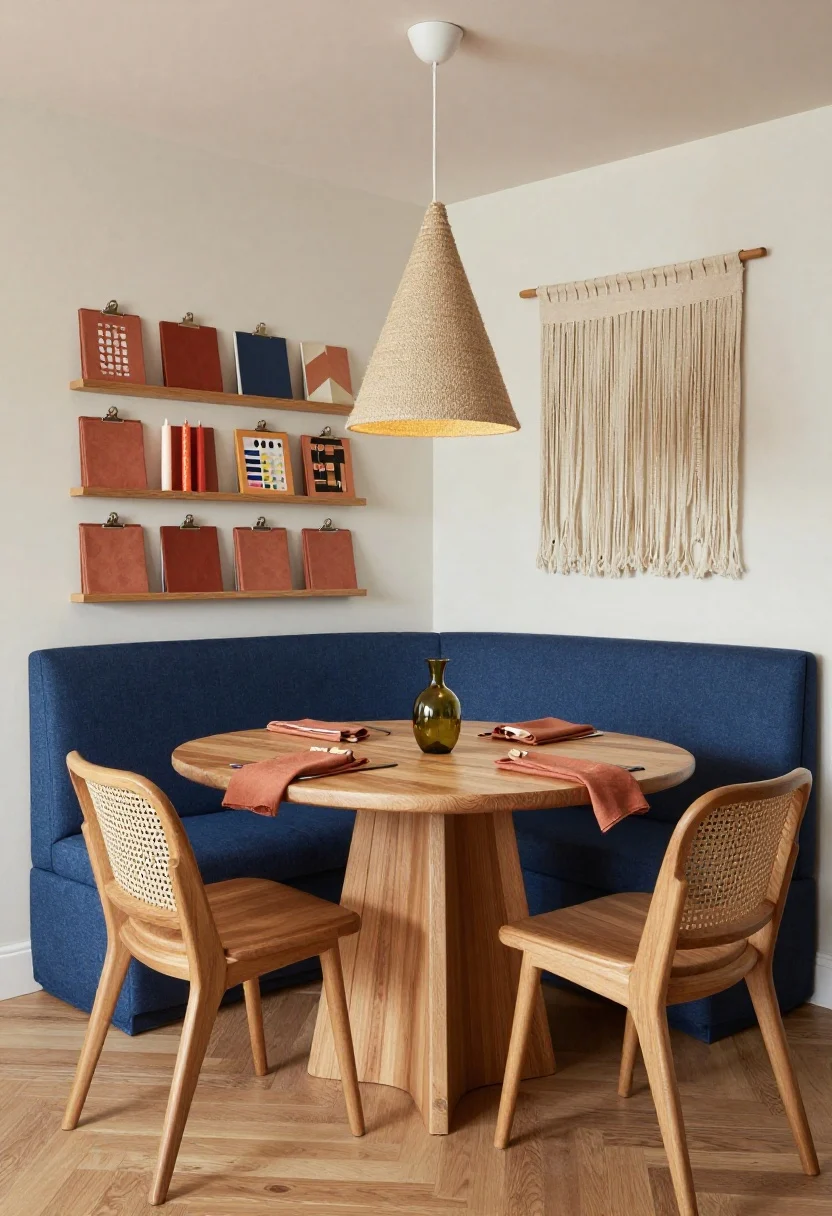
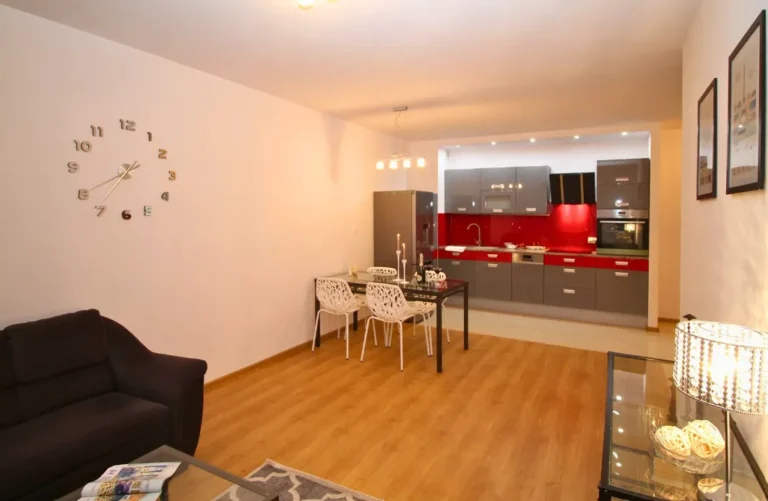
Our dining space had to be multifunctional without screaming “craft room.” The base look is oak pedestal table, ink-blue banquette with performance fabric, and cane-back chairs for breezy texture. A soft jute pendant centers the table and casts a warm cone of light.
Hidden genius: the banquette seat lifts to reveal sectioned trays for art supplies and board games. A narrow wall cabinet (painted to match the wall) holds placemats, napkins, and party candles. The table has a clip-on edge protector that snaps on for craft time and stashes in the bench.
- Color accents: Ink-blue seat, terracotta linen napkins, and a single olive-glass vase.
- Surfaces: Wipeable performance fabric and sealed oak finish—no fear of markers or marinara.
- Sound control: A wool wall hanging above the banquette softens chatter and keeps dinner calm.
Pro move: A rolling caddy that tucks under the banquette. It’s labeled “Dinner,” “Games,” “Projects.” Roll out what you need, then roll it away—no table pileups.
Conclusion: Design That Thinks Like You Do
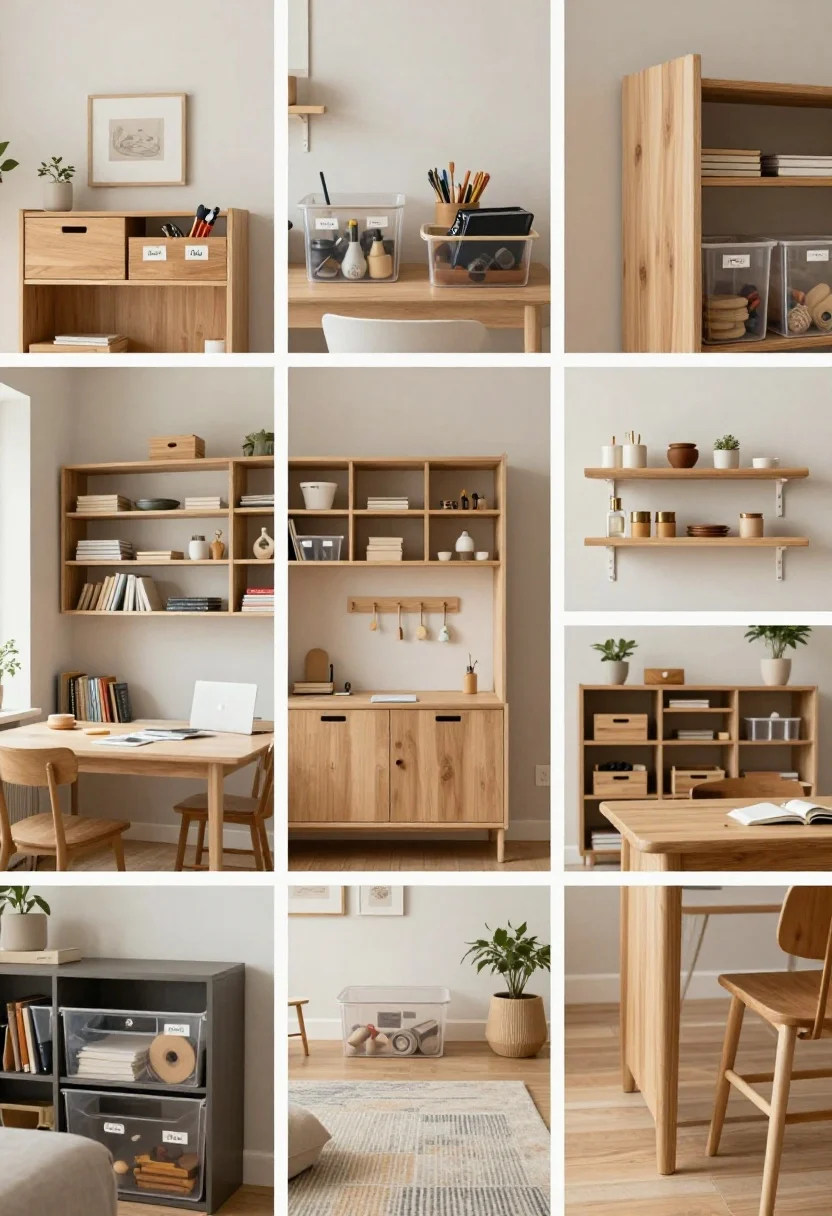
This image is by AI for inspiration only.
These seven rooms work because they’re not just pretty—each one is a framework with visual cues, fewer decisions, and fast resets. If you’re redoing spaces, start by defining zones, cutting the color noise, and making storage visible and reachable.
When your home matches how your brain moves, everything feels lighter. And honestly? It looks better, too.

One Comment