How to Organize a Bathroom Cabinet With Tall Bottles

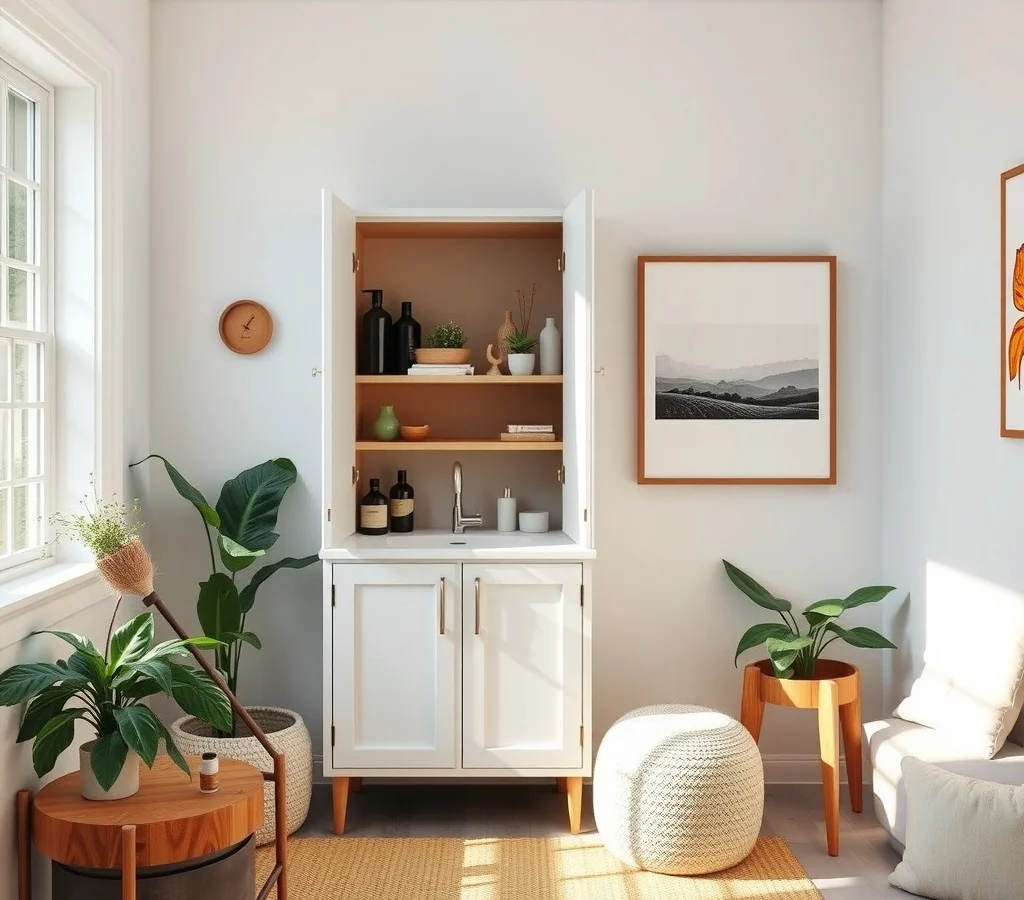
Most bathroom cabinets were built for small jars, toothpaste tubes, and hair‑care sprays, yet many of us collect tall bottles of shampoo, conditioner, body wash, or specialty oils. When those bottles crowd the shelves, the cabinet looks chaotic and retrieving a product becomes a minor inconvenience. This article walks you through seven practical ways to make the most of a cabinet that must accommodate height without sacrificing style or accessibility.
1. Measure the interior and note bottle heights
This image is by AI for inspiration only.
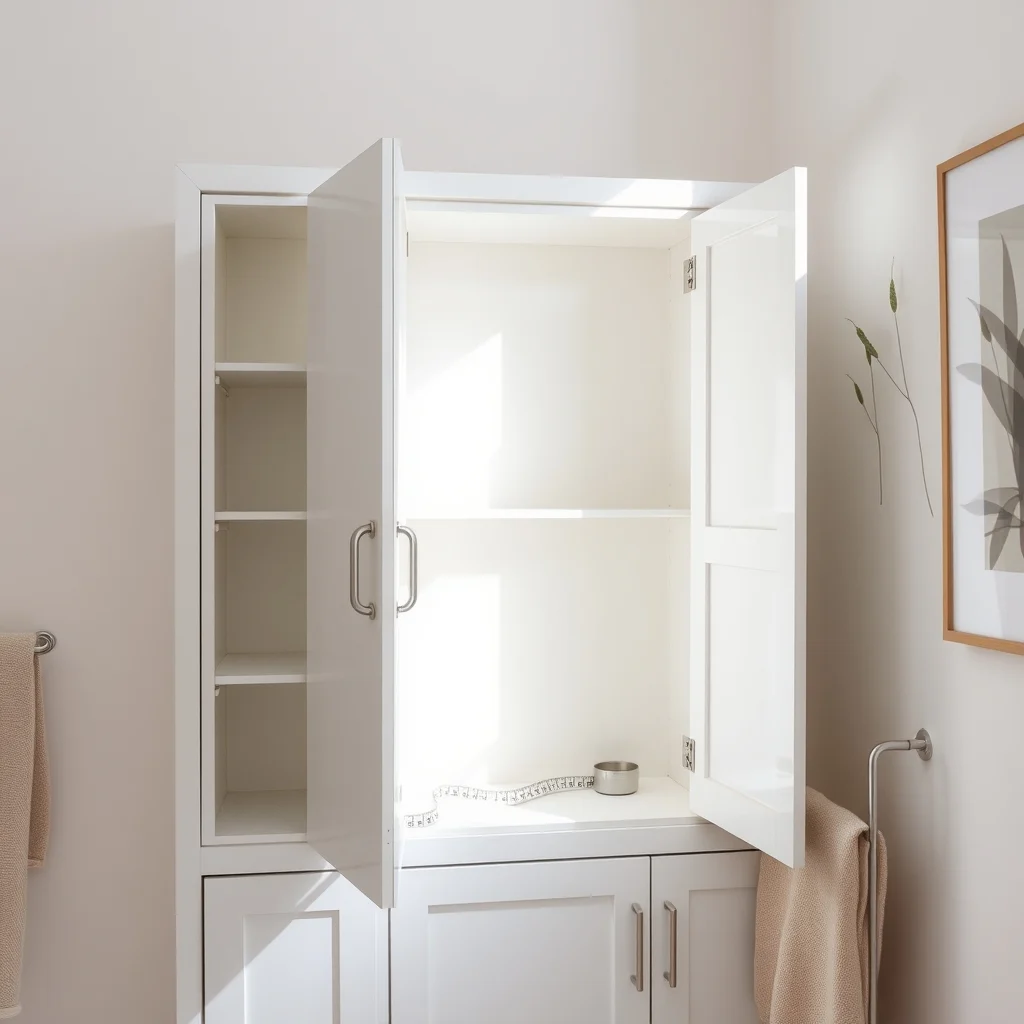
The first step is to understand the exact space you have to work with. Open the cabinet doors, pull out any removable trays, and use a tape measure to record the overall depth, width, and the distance from the back wall to the front edge. Then line up the tall bottles you own and measure each from base to cap. You’ll often discover that a few bottles are only a few centimeters taller than the rest, a detail that can influence how you arrange them. Knowing these dimensions helps you avoid a common mistake: forcing a bottle into a shelf that’s too shallow, which can cause the cap to knock against the back panel and loosen over time. With accurate measurements in hand, you can plan a layout that respects both the cabinet’s structure and the bottles’ proportions.
2. Add discreet shelf risers for vertical separation

This image is by AI for inspiration only.
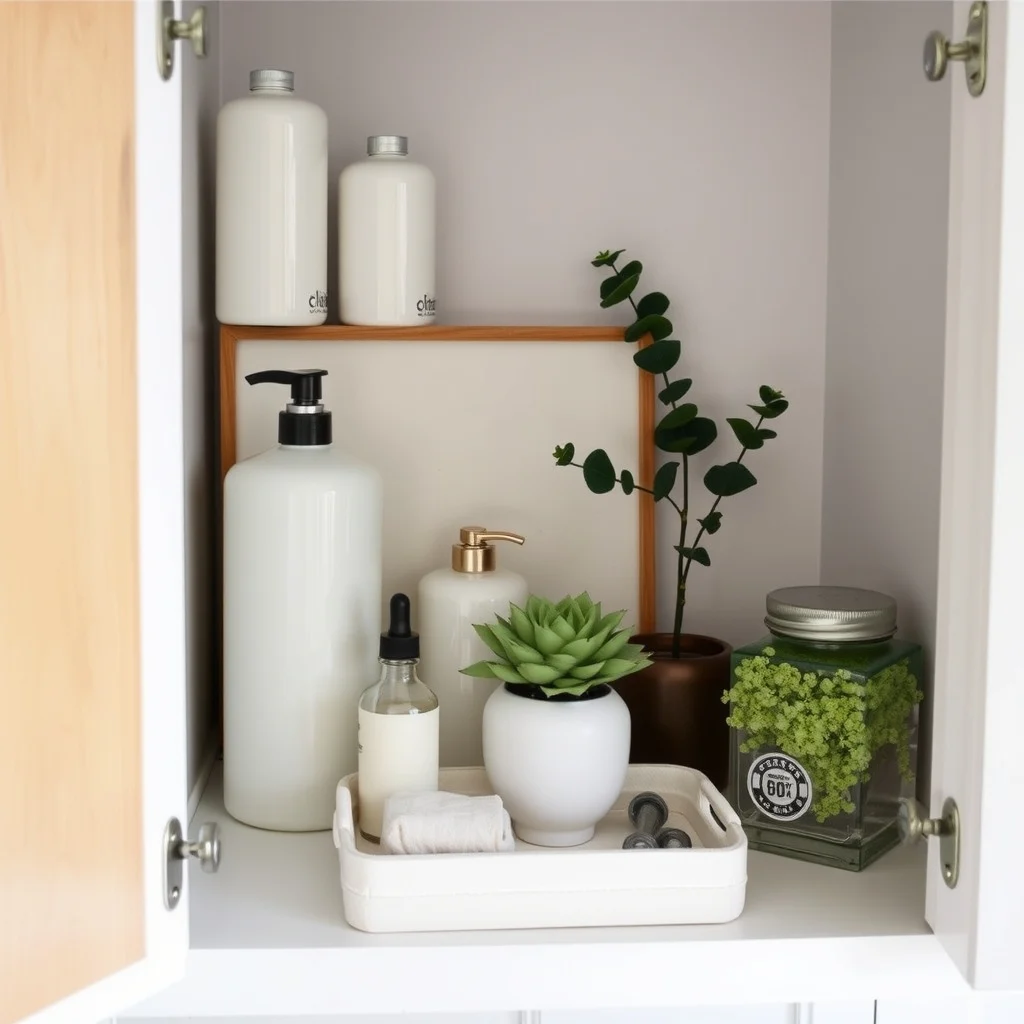
Standard cabinet shelves are usually flat, leaving tall bottles to sit directly on the wood or laminate. Introducing low‑profile risers—thin wooden blocks, acrylic inserts, or metal brackets—creates a subtle step that separates the tallest items from the shorter ones. By placing a riser a few centimeters from the back wall, the tallest bottles sit on the higher platform while the remaining space in front remains open for smaller containers. This approach not only prevents caps from hitting the back panel but also adds a visual break that makes the interior feel more organized. Choose risers that match the cabinet’s finish—light oak for a natural look or brushed nickel for a modern feel—to keep the design cohesive.
3. Arrange bottles by frequency of use
This image is by AI for inspiration only.
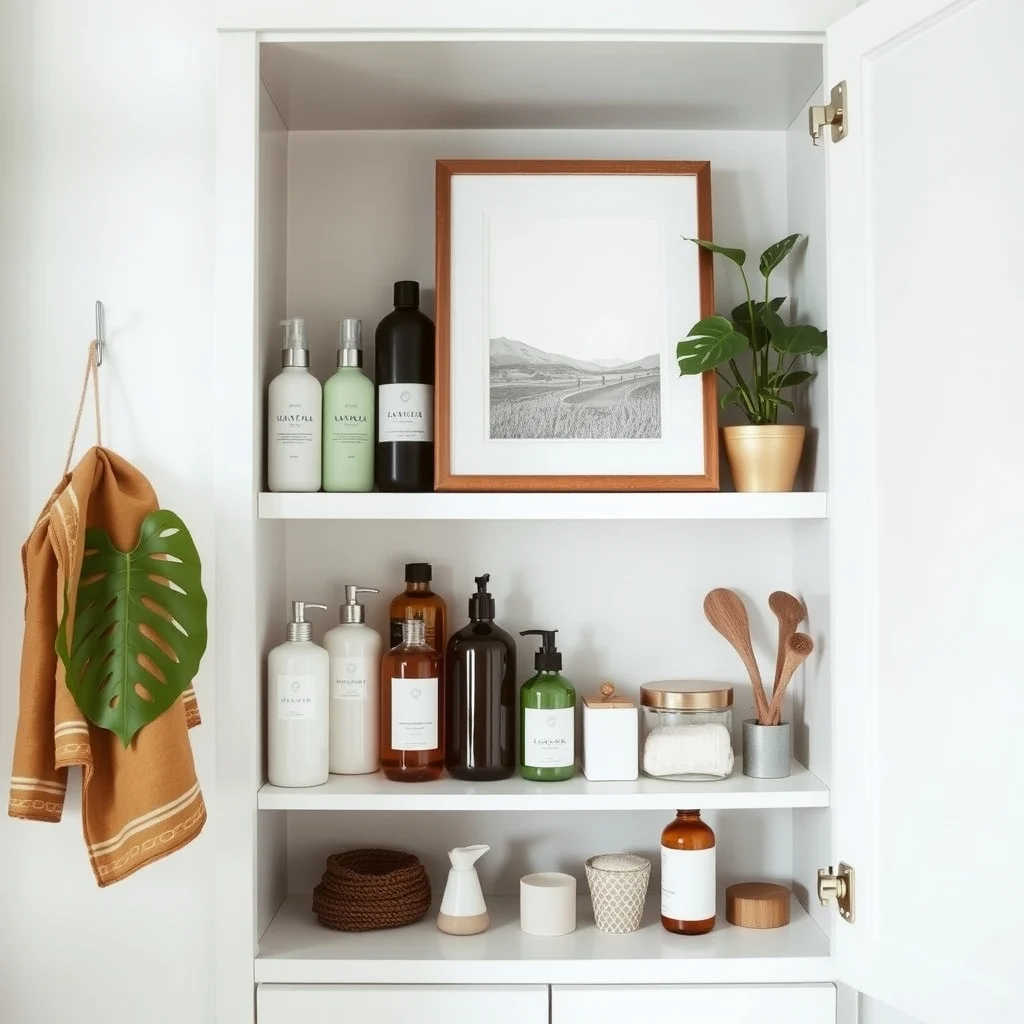
When you open the cabinet, the items you need most should be within easy reach. Position daily‑use bottles—such as your regular shampoo and body wash—on the front tier of the shelf, where you can grab them without moving other products. Reserve the back tier for occasional items like specialty hair masks or seasonal fragrances. This hierarchy reduces the number of times you have to shuffle bottles around, which in turn lessens the risk of accidental spills. If you share the bathroom, consider each person’s routine and allocate space accordingly; a shared cabinet can stay orderly when each user’s most‑used products have a dedicated spot.
4. Use clear containers or simple labels for smaller items
This image is by AI for inspiration only.
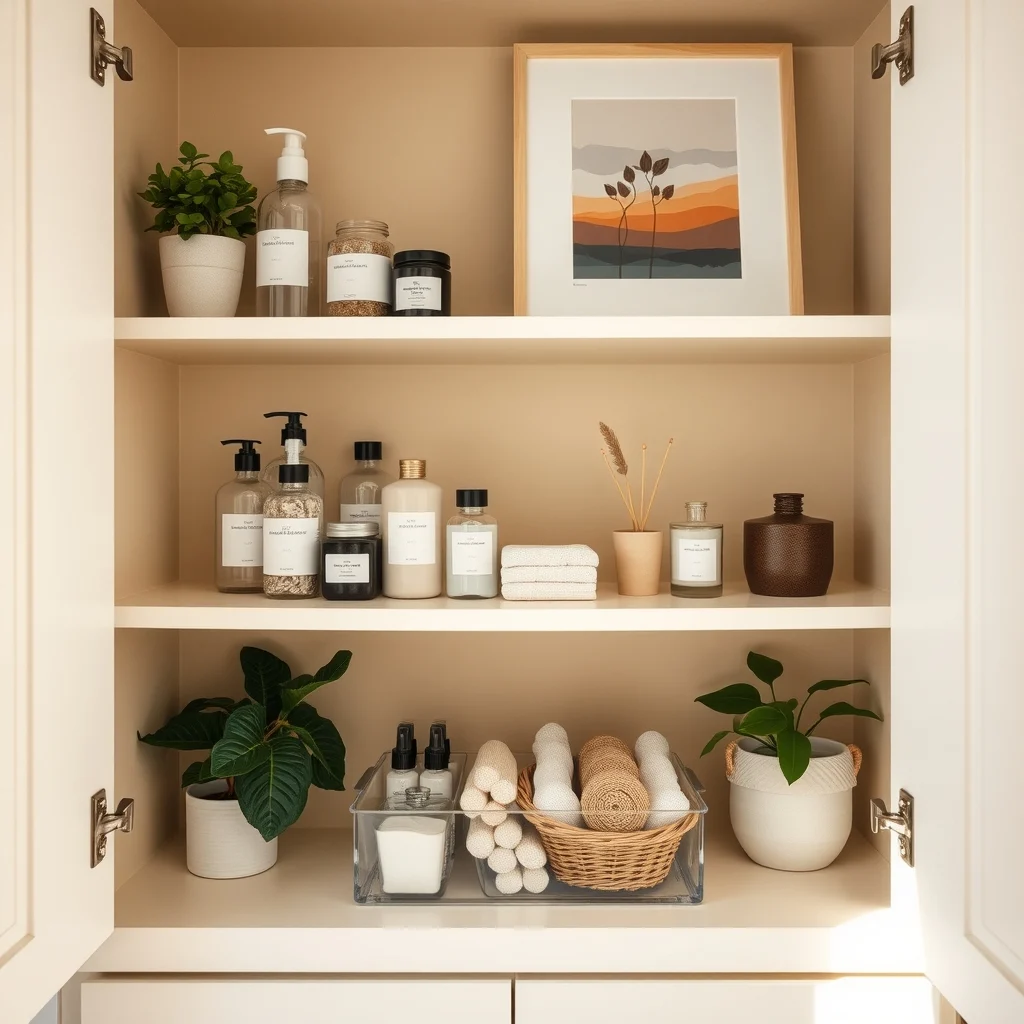
Even with tall bottles sorted, the lower portion of the cabinet can become a jumble of travel‑size tubes, cotton pads, and spare toothbrushes. Placing these items in a clear acrylic box or a shallow basket groups them together while still allowing you to see what’s inside. If you prefer a more subtle look, a woven tray in a neutral shade—such as soft greige—offers the same organization without the glossy finish of acrylic. Adding a small label, either a printed tag or a hand‑written label on a sticky note, tells you at a glance what the container holds. This small visual cue saves time during busy mornings and keeps the cabinet looking intentional.
5. Incorporate a pull‑out drawer or basket for short‑height products
This image is by AI for inspiration only.
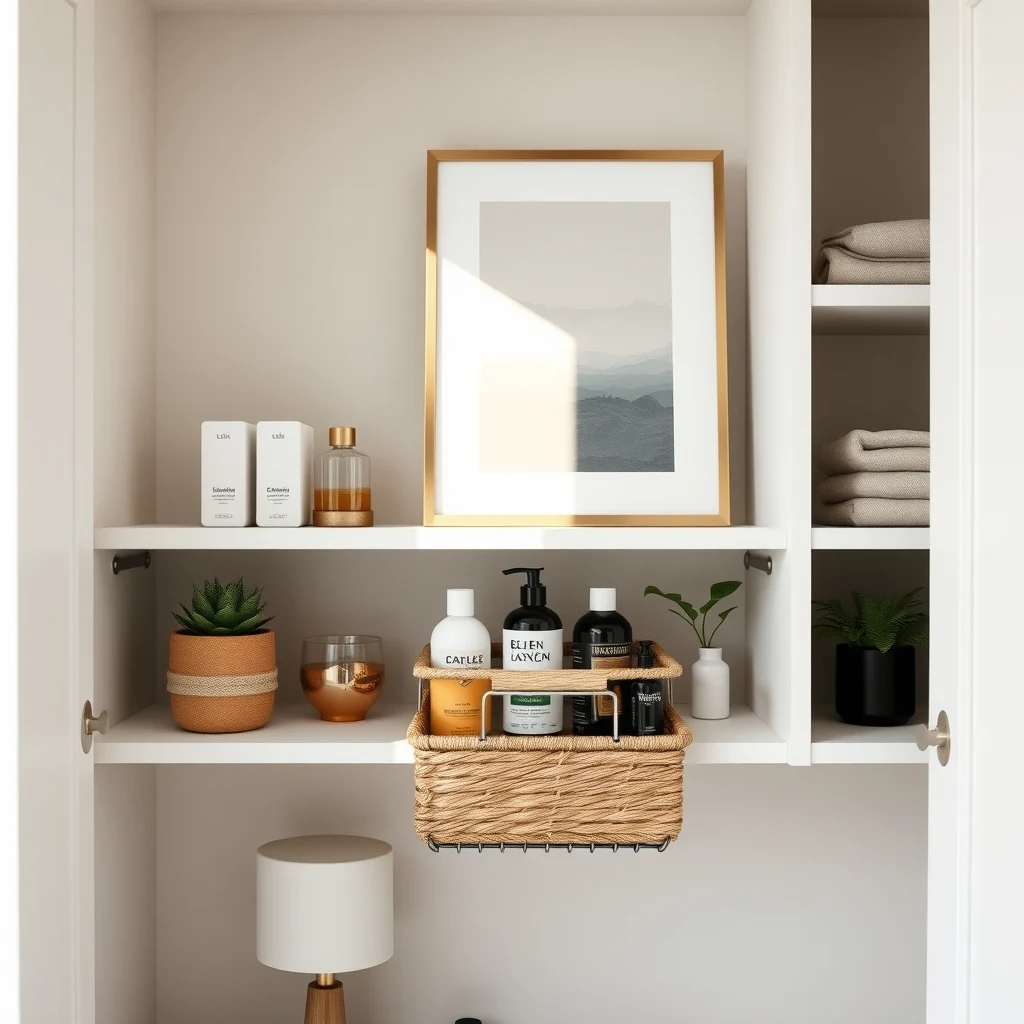
Not every bathroom cabinet includes a drawer, but a simple pull‑out basket can be installed on a shelf with a few brackets and a handle. This addition creates a dedicated space for items that don’t need the full vertical height, such as shaving cream, facial cleansers, or a spare roll of toilet paper. Because the basket slides forward, you can access its contents without removing the taller bottles that sit behind it. Choose a basket made of bamboo or coated metal to complement the cabinet’s material; bamboo adds warmth while metal offers a sleek contrast. The extra layer of organization also protects delicate items from being knocked over when you reach for something else.
6. Add a decorative liner or tray to protect surfaces
This image is by AI for inspiration only.
Cabinet interiors are prone to moisture, soap residue, and occasional spills. Lining the bottom of the cabinet with a washable fabric liner—think a cotton or linen mat in a muted hue—provides a soft barrier that absorbs moisture and can be removed for cleaning. Alternatively, a thin metal tray with a brushed finish can serve the same purpose while adding a subtle decorative element. The liner also helps keep the bottle caps from chipping the wood or laminate, extending the life of both the cabinet and the containers. When selecting a liner, consider the overall color palette of the bathroom; a light terracotta or muted sage can echo wall tiles or towels, creating a cohesive look.
7. Schedule a quick quarterly reset
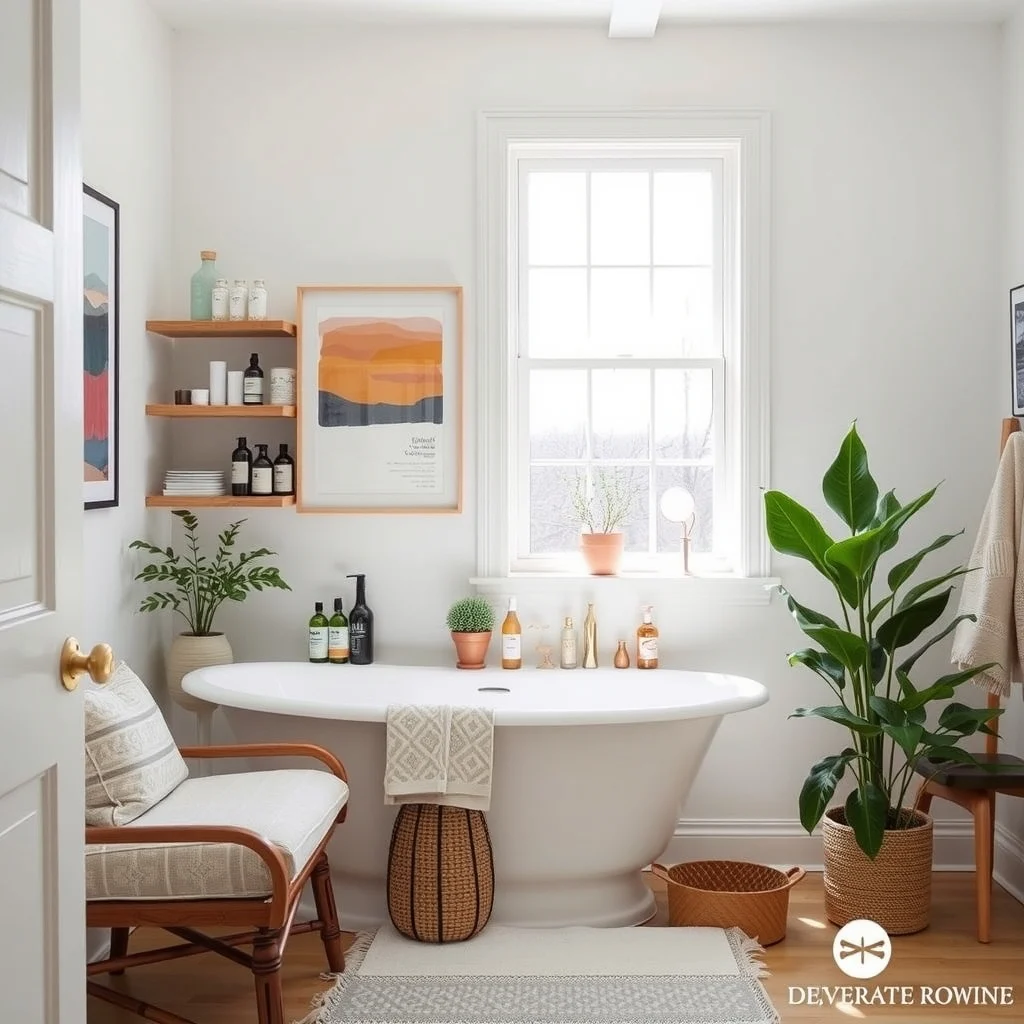
This image is by AI for inspiration only.
Even the best‑planned arrangement can drift over time as new products arrive and old ones expire. Setting a reminder to review the cabinet every three months gives you a chance to discard empty bottles, reposition items that have shifted, and reassess the layout. During this reset, wipe down the shelves, check that risers remain stable, and ensure that labels are still legible. A brief, regular maintenance routine prevents clutter from building up and keeps the cabinet functional and visually tidy throughout the year.
Frequently Asked Questions
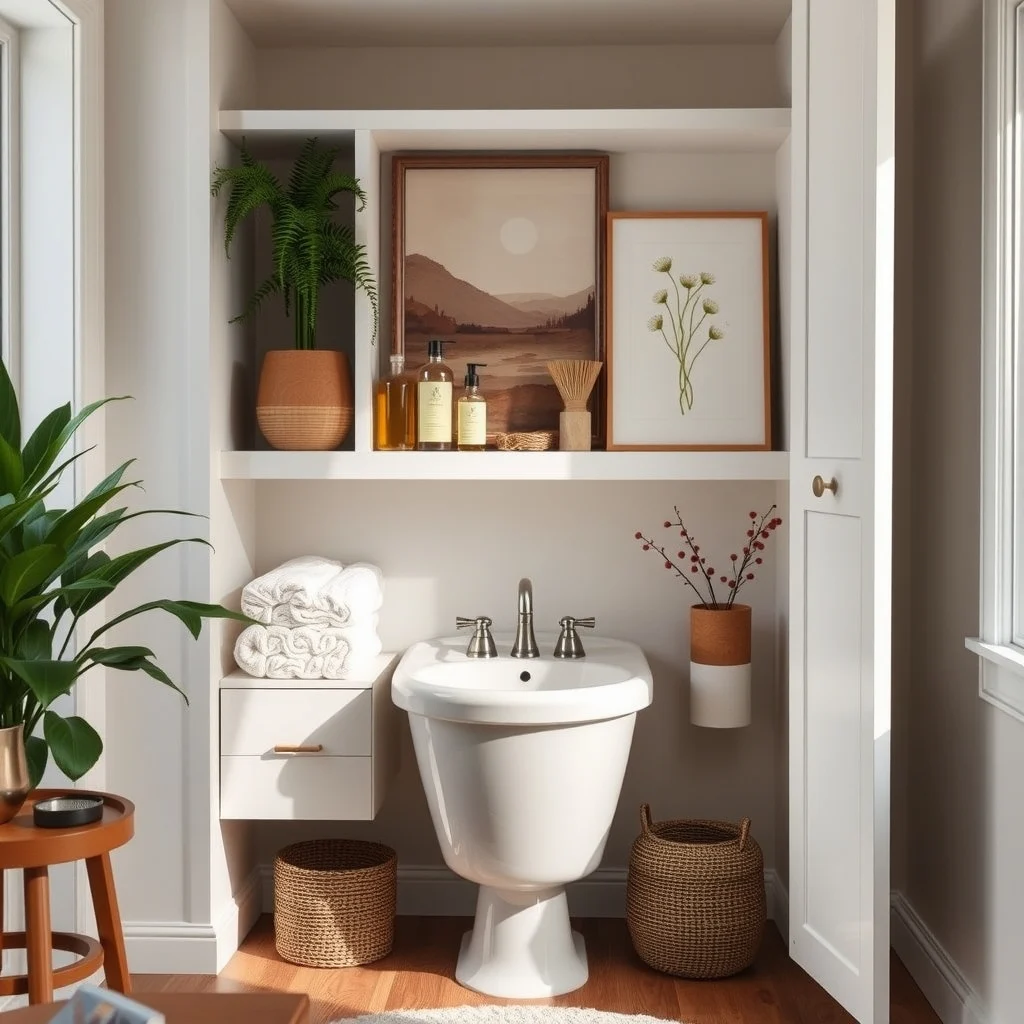
This image is by AI for inspiration only.
How can I fit a bottle that is taller than the cabinet depth?
You can place a narrow, sturdy riser at the back of the shelf to create extra height, allowing the bottle to sit upright without touching the front edge. If the bottle is still too tall, consider storing it on a nearby countertop or in a decorative basket that can accommodate its length.
What type of riser material works best in a humid bathroom?
Materials that resist moisture, such as sealed hardwood, acrylic, or powder‑coated metal, perform well in a bathroom environment. These options will not warp or rust, ensuring a stable platform for your bottles over time.
Is it okay to use adhesive labels on the cabinet shelves?
Adhesive labels work fine as long as the cabinet surface is clean and smooth. If you prefer a non‑permanent solution, removable tags attached with small magnets or reusable silicone bands can be taken off without leaving residue.
Can I install a pull‑out basket myself?
Yes, a pull‑out basket can be installed with basic tools such as a drill and screwdriver. Follow the manufacturer’s instructions, attach the brackets securely to the shelf, and ensure the handle is positioned for easy access.
How often should I replace the liner in the cabinet?
Replacing the liner once a year is usually sufficient, unless you notice stains or wear earlier. A washable liner can be laundered as needed to keep the interior fresh.
Final Thoughts
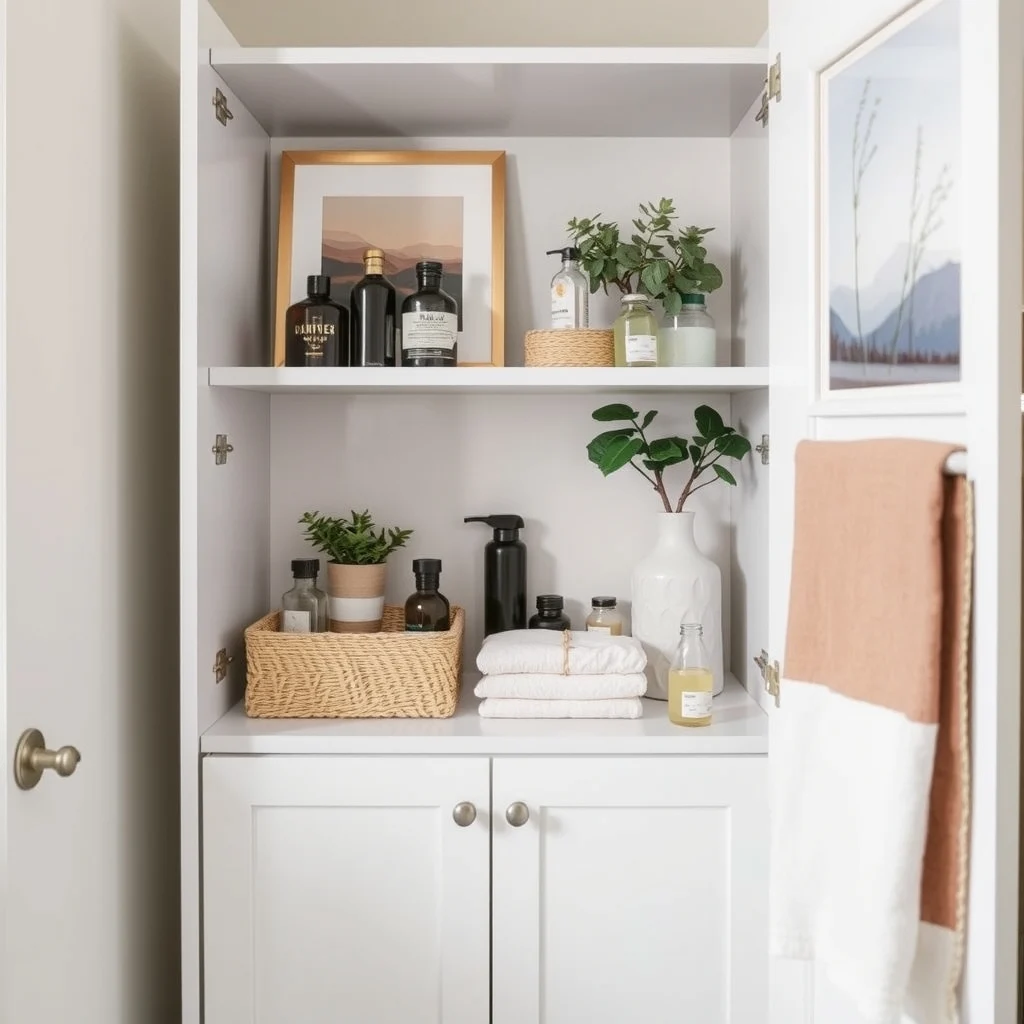
This image is by AI for inspiration only.
Organizing a bathroom cabinet that houses tall bottles is less about forcing items into a cramped space and more about creating thoughtful zones that respect both the containers and the cabinet’s architecture. By measuring accurately, adding subtle vertical supports, grouping items by use, and incorporating protective accessories, you transform a cluttered interior into a functional showcase. A brief, regular reset keeps the system running smoothly, allowing you to enjoy a tidy bathroom without sacrificing the style of your favorite products.